+86 15968093247


Why Is Striped Fabric So Popular With Global Buyers?
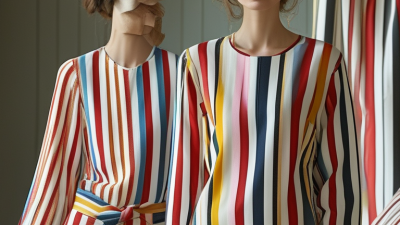
Striped Fabric remains a familiar choice across fashion, home textiles, uniforms, and lifestyle products. Its appeal is easy to see: clean lines create visual order, while different widths and colors support many design directions. A navy-and-white stripe can suggest coastal simplicity. A muted gray stripe may feel modern and professional. Buyers can also adjust yarn composition, weave, weight, and finishing methods for different markets.
From practical sourcing experience, striped fabric offers strong product flexibility. It can become a shirt, curtain, cushion cover, tote bag, or children’s garment. This range helps brands build coordinated collections without changing their entire visual language. However, appearance alone does not guarantee commercial success. Uneven stripe alignment, color variation, shrinkage, or poor colorfastness can quickly damage customer confidence. Small errors become obvious on wide panels.
Reliable suppliers usually confirm specifications before production. These details may include stripe repeat, fabric width, fiber content, weight, washing performance, and inspection standards. Sampling is essential. A sample roll under warehouse lighting may look different from the same fabric outdoors. Buyers should check actual production samples, not rely only on digital images.
Striped Fabric is popular because it balances recognition with creative freedom. Still, preferences differ between regions, industries, and age groups. Some bold patterns may sell well in one market but remain too loud elsewhere. That uncertainty deserves attention. Careful testing, transparent communication, and consistent quality often matter more than a fashionable pattern. The stripes attract attention, but dependable performance earns repeat orders.
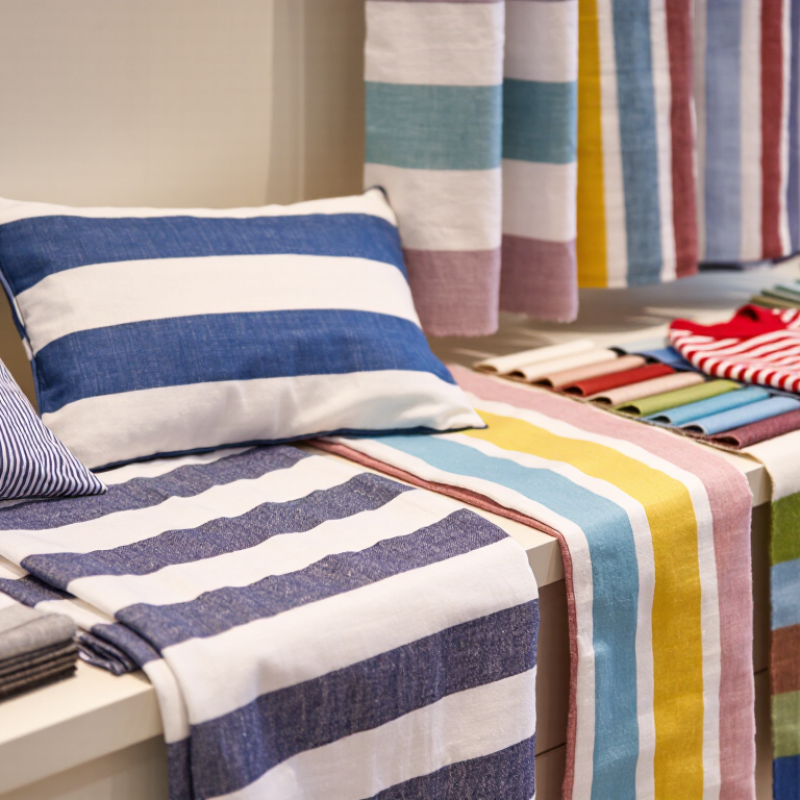
Striped fabric is a textile with repeated lines running horizontally, vertically, or diagonally. These lines may be woven into the cloth, knitted, or printed afterward. In yarn-dyed fabric, colored yarns are arranged before weaving or knitting. This method usually gives sharper stripes and better color durability. In piece-dyed fabric, the finished fabric receives color through screens, rollers, or digital printing.
The process needs accurate yarn spacing and controlled tension. Small errors can shift the stripe repeat, especially in lightweight fabric. That is not always a defect. Slight irregularity can create a handmade appearance, but buyers often require strict inspection for matching panels. Textile Exchange reported that global fiber production reached about 124 million tonnes in 2023. It may rise to 160 million tonnes by 2030. This scale increases interest in efficient designs, including stripes that use simple, repeatable construction. Stripes also support easy visual planning for shirts, bedding, uniforms, and interior textiles.
Tips: Ask for a fabric sample before ordering. Check stripe alignment after washing. Compare the technical sheet with the physical roll. A printed stripe may fade differently from a yarn-dyed stripe. Also review fiber content, shrinkage, colorfastness, and fabric weight. Test carefully. A beautiful stripe can still perform poorly.
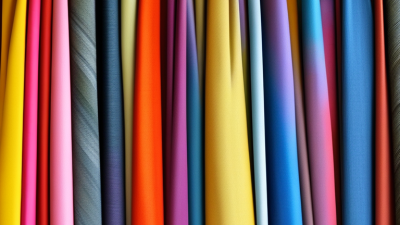
Stripes remain popular because they give fabric an immediate visual structure. Thin lines can make a shirt feel lighter and more refined, while broad bands create a stronger, outdoor-inspired character. According to Grand View Research, the global home textiles market was valued at about USD 129.6 billion in 2023. In such a large market, simple patterns offer buyers a practical way to create distinction without complex production.
How stripes are arranged matters greatly. Vertical lines can suggest height and movement. Horizontal lines feel calmer, but they may visually widen a garment or cushion. Uneven stripes add a handmade impression, especially when woven with visible slubs or slight color variation. In sampling rooms, even a small spacing change can alter the fabric’s personality. It is easy to underestimate this detail.
Very fine lines feel clean.
The 2024 Textile Exchange Materials Market Report highlights continued attention to material impact and fiber transparency across the textile industry. This makes stripe design more valuable when paired with clearly specified fibers, responsible sourcing, and dependable colorfastness. Buyers often inspect how stripes behave after washing, not only how they appear on a display screen. That is where the pattern can disappoint. Uneven shrinkage may bend the lines, while poor registration can weaken the entire visual effect. Careful testing, accurate specifications, and honest product images help stripes remain distinctive in real use.
Why Is Striped Fabric So Popular With Global Buyers?
Striped fabric fits diverse fashion and home uses because its pattern is simple, flexible, and visually clear. Thin stripes can make a shirt feel refined, while broad stripes create a stronger casual look. In clothing, designers use stripes for shirts, dresses, trousers, scarves, and lightweight jackets. Direction also matters. Vertical stripes may lengthen the appearance, while horizontal lines can add visual width.
The same fabric works naturally in home settings. Cotton stripes can cover cushion covers, kitchen curtains, table runners, and children’s bedding. Neutral colors suit calm interiors, while blue, green, or terracotta stripes bring practical warmth. In my experience, buyers often examine the fabric under different lighting. A stripe that looks balanced indoors may appear surprisingly bright near a window.
Not every stripe is easy to produce. Uneven spacing, color bleeding, or fabric shrinkage can reduce customer confidence. Buyers should check fiber content, weave density, colorfastness, and wash performance before placing larger orders. Soft hand feel matters for clothing, but stronger construction may matter more for upholstery. There is no perfect stripe for every market. That is worth remembering. A pattern that sells well in one region may feel too bold elsewhere, especially when local preferences, climate, and household habits differ. Careful sampling remains essential, even when the design seems familiar.
| Striped Fabric Category | Common Fiber and Construction | Typical Weight | Key Performance Characteristics | Fashion Applications | Home and Lifestyle Applications | Why Global Buyers Choose It | Important Buying Considerations |
|---|---|---|---|---|---|---|---|
| Classic Cotton Stripe | Usually woven cotton in plain weave or poplin construction | Approximately 90–160 g/m² | Breathable, comfortable, easy to sew, and suitable for regular washing | Shirts, blouses, dresses, skirts, children's clothing, and lightweight trousers | Cushion covers, kitchen textiles, table runners, and lightweight curtains | Works across multiple seasons and product categories while offering a familiar natural-fiber feel | Check shrinkage, colorfastness, yarn count, stripe alignment, and whether the fabric is pre-shrunk |
| Linen Stripe | Woven linen or linen-blend fabric, commonly in plain or basket weave | Approximately 130–280 g/m² | Air-permeable, moisture-absorbing, durable, and naturally textured | Summer shirts, relaxed dresses, resort wear, trousers, and lightweight jackets | Tablecloths, napkins, curtains, cushion covers, and bedding | Natural texture and visible stripe definition support premium-looking, relaxed designs | Allow for natural creasing and possible shrinkage; confirm finishing, washing method, and dimensional stability |
| Seersucker Stripe | Usually cotton with a puckered surface created by tension differences in the weave | Approximately 100–180 g/m² | Raised texture reduces fabric-to-skin contact and improves airflow | Summer shirts, shorts, dresses, suits, and children's apparel | Summer bedding, lightweight blankets, table linens, and decorative covers | Distinctive texture creates visual interest and reduces the need for heavy ironing | Confirm puckering consistency, stripe repeat, washing instructions, and seam behavior during sewing |
| Cotton Twill Stripe | Cotton or cotton-blend fabric with diagonal twill ribs | Approximately 180–320 g/m² | More structured and abrasion-resistant than lightweight plain-weave cotton | Workwear, overshirts, jackets, trousers, skirts, and utility-inspired garments | Upholstery accents, tote bags, aprons, storage baskets, and durable cushion covers | Combines recognizable stripe styling with strength and shape retention | Review fabric width, color migration, washing shrinkage, rub resistance, and pattern matching requirements |
| Polyester Stripe | Woven or knitted polyester, either 100% polyester or blended with other fibers | Approximately 90–220 g/m² | Low moisture absorption, quick drying, good crease resistance, and strong color retention when properly dyed | Sportswear, uniforms, blouses, casual dresses, linings, and travel clothing | Table covers, shower curtains, decorative panels, and easy-care household textiles | Offers consistent production performance, low maintenance, and broad color options | Check breathability, pilling resistance, static tendency, dye method, and recycled-content documentation where relevant |
| Viscose or Rayon Stripe | Regenerated-cellulose fiber in woven or knitted construction | Approximately 100–200 g/m² | Soft hand feel, fluid drape, and good color clarity; wet strength depends on fiber type and finishing | Blouses, flowing dresses, skirts, scarves, and relaxed resort garments | Decorative drapes, lightweight covers, and soft furnishing accents | Provides a smooth, fluid appearance that suits fashion-led designs and detailed stripe patterns | Confirm wet handling strength, dimensional stability, colorfastness, and recommended cleaning method |
| Stretch Stripe | Woven or knitted fabric containing elastane or another stretch component | Approximately 150–300 g/m² | Improved comfort, flexibility, and fit recovery when correctly engineered | Fitted tops, activewear, swimwear, leggings, uniforms, and children's garments | Fitted furniture accents, flexible covers, and selected craft applications | Combines the visual clarity of stripes with movement comfort and improved garment fit | Test stretch percentage, recovery after repeated use, stripe distortion, chlorine resistance, and care durability |
| Outdoor-Use Stripe | Often solution-dyed acrylic, polyester, or treated blended fabric | Approximately 180–350 g/m² | Designed for improved lightfastness, moisture resistance, and resistance to outdoor wear | Outdoor apparel details, bags, hats, and accessories | Patio cushions, parasols, awnings, deck chairs, and outdoor upholstery | Extends striped design into hospitality, garden, marine, and outdoor living markets | Verify ultraviolet resistance, water repellency, mildew performance, abrasion rating, and cleaning instructions |
| Wide Decorative Stripe | Can be produced in cotton, linen, polyester, blends, or upholstery-weight constructions | Approximately 180–450 g/m² | Strong visual impact and clear directional pattern; heavier versions provide greater body | Statement jackets, coordinated sets, skirts, and fashion accessories | Curtains, upholstery, headboards, rugs, wall accents, and large cushion panels | Creates an immediate design statement and supports coordinated interior collections | Confirm usable width, pattern repeat, cut direction, seam matching, and additional fabric allowance for installation |
Striped fabric remains popular because its visual rhythm is easy to recognize across markets. Yet appearance is only one part of the buying decision. Production options must match climate, price targets, order volumes, and delivery schedules.
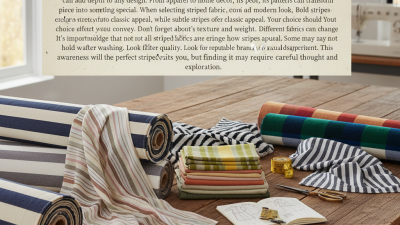
Yarn-dyed stripes offer strong color stability and a clean reverse side. They suit shirts, uniforms, bedding, and lightweight home textiles. Knitted stripes provide stretch and softer movement for casual garments. Piece-dyed fabric can reduce planning pressure when buyers need flexible colors. Printed stripes allow more detailed layouts, especially for short seasonal runs. The trade-off is important. Printed effects may require stricter wash testing.
Manufacturers can adjust fiber content, fabric weight, width, and stripe spacing for different applications. A 120 GSM cotton blend may suit warm-weather apparel, while a denser 220 GSM structure feels more suitable for upholstery. Buyers also need samples that show shrinkage, skew, colorfastness, and actual hand feel. A screen image cannot reveal these details.
Lower minimum quantities can support smaller retailers and test orders. However, they may increase setup costs per meter. This point is often underestimated. Clear specifications prevent costly revisions: stripe direction, repeat size, tolerance, packaging method, and testing requirements should be confirmed early. Production flexibility helps global buyers, but too many options can slow decisions. A practical development process keeps the choices useful rather than merely impressive.
Striped designs can be produced across the main fiber categories used in global textiles, giving buyers flexibility in price, performance, hand feel, and sustainability positioning. Polyester remains the largest global fiber group, while cotton and man-made cellulosic fibers support breathable, comfortable, and lightweight striped fabric options. Data shown are rounded shares of global fiber production in 2023.
Source: Textile Exchange, Materials Market Report 2024.
Global demand for striped fabric depends on more than changing fashion trends. In sourcing reviews, buyers often compare stripe width, color contrast, fabric weight, and production consistency. A two-millimeter stripe can create a refined look on a shirt, while broad stripes feel more casual on curtains or beachwear. Thin, evenly spaced lines usually suit formal markets. Irregular or multicolored stripes attract buyers seeking a handmade appearance. Small details matter.
Climate also influences design choices. Lightweight cotton and linen stripes perform well in warm regions because they feel breathable and visually fresh. In cooler markets, buyers may prefer heavier woven fabrics with deeper colors. Hospitality projects often request durable stripes that hide light marks between cleanings. Digital images can mislead buyers about color depth. Physical swatches remain essential.
Cost and manufacturing risk shape demand as well. A complex stripe pattern may require careful yarn alignment, increasing cutting waste and inspection time. Buyers may accept a higher price when the design offers clear visual value. However, not every attractive stripe sells equally well. I have seen broad, dramatic patterns receive strong attention but weak repeat orders. That assumption failed. Suppliers should test small quantities before expanding production, especially when color trends change quickly. Reliable decisions come from wash tests, sample reviews, and feedback from local customers.