10 Tips for Choosing the Best Striped Fabric for Your Projects?
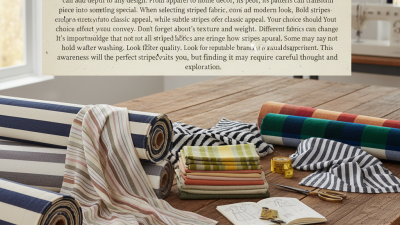
When it comes to selecting the perfect striped fabric for any creative project, insight from industry experts can be invaluable. Renowned textile designer Lisa Johnson emphasizes, "Choosing the right striped fabric can transform any vision into a reality." Her experience highlights how crucial it is to understand the unique properties of stripes.
Striped fabrics come in various styles, colors, and materials, making the selection process both exciting and daunting. A subtle hint of color or contrasting tones can completely alter the fabric's impact. It's important to consider how these fabrics behave under different lighting conditions and how they complement the overall aesthetic of your project.
However, not every striped fabric is suited for every application. Reflecting on your project's purpose, whether it's fashion, upholstery, or crafts, can guide your decision. Mistakes can happen, and sometimes the boldest choices don’t pan out. A well-thought-out selection can make all the difference, enhancing the final outcome of your work.
Understanding Different Types of Striped Fabrics and Their Uses
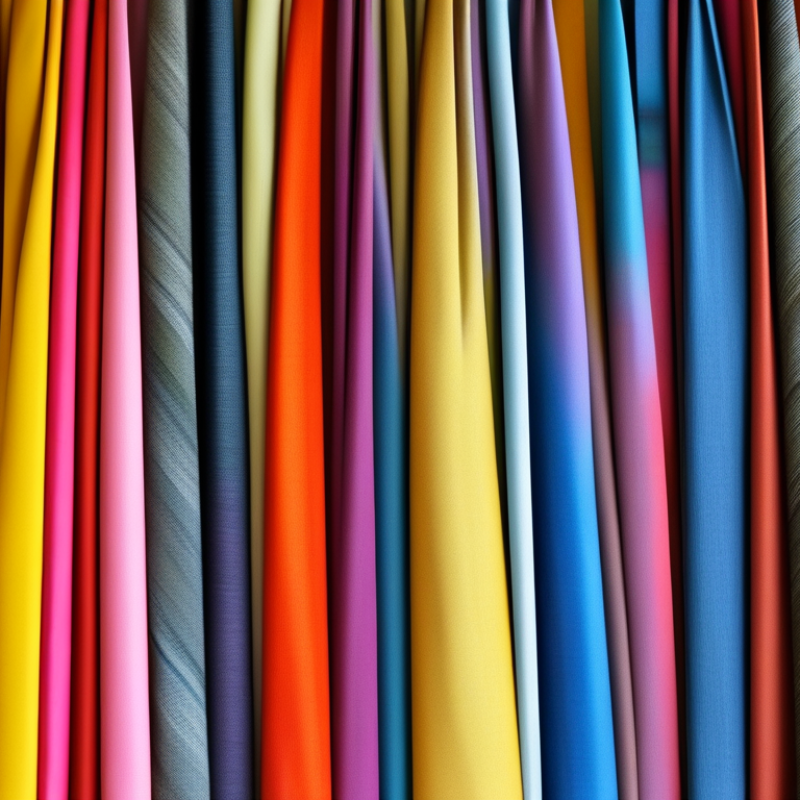
When selecting striped fabrics, understanding the types is crucial. Stripes can vary by width, color, and orientation. Each type serves different design purposes. For instance, narrow stripes can create a subtle look, perfect for creating classy garments. Wider stripes, on the other hand, tend to make a bolder statement. They can draw attention, ideal for feature pieces in your project.
Cotton and linen are popular choices for striped fabrics, offering breathability and comfort. However, polyester blends provide durability and wrinkle resistance. It’s essential to consider the fabric’s weight. Lightweight fabrics drape beautifully for flowing dresses, while heavier options are better suited for structured items. Many artisans overlook the importance of fabric care instructions. Striped fabrics may require specific washing settings to maintain their vibrancy and shape.
Combining stripes with other patterns is a common challenge. It can lead to chaotic designs if not handled thoughtfully. Testing fabric combinations through swatch samples can help you visualize the outcome. Additionally, consider the context of your design. For casual wear, playful stripes might work well. Formal projects often benefit from more subdued options. Each decision shapes the final result, requiring careful contemplation.
Evaluating Fabric Weight and Texture for Your Project Needs
When choosing striped fabric, evaluating weight and texture is crucial. According to the Fabric Association of America, fabric weight significantly affects drape and handling. A lighter fabric, usually below 5 oz per square yard, is ideal for summer wear. It flows beautifully, but may lack durability. Conversely, heavier fabrics over 7 oz offer more structure, making them suitable for outerwear or upholstery projects. Understanding the intended use helps navigate these weight ranges effectively.
Texture also plays a vital role. A smooth, plain weave provides a polished look for formal attire. Textured fabrics, like canvas or corduroy, add depth to simpler designs. For example, textured materials can enhance visual interest in home decor projects. However, they can be challenging for beginners to sew. Achieving professional results requires patience and practice. It’s essential to consider how texture influences not just appearance but functionality as well.
Balancing weight and texture can be tricky. Overlooking these factors may lead to unsatisfactory results. Professionals often recommend testing fabric combinations before starting projects. Swatch testing helps ensure that the desired effect aligns with expectations. This prevents the frustration of unexpected outcomes. With thoughtful evaluation, success in fabric selection becomes much more achievable.
Fabric Weight and Texture Evaluation for Striped Fabrics
Choosing the Right Color Combination for Striped Patterns
Choosing the right color combination for striped patterns can transform your projects.
Stripes can be bold or subtle, depending on the colors you select.
Consider your project’s purpose. For a lively look, opt for bright, contrasting colors like red and yellow.
They energize any design and can make a statement.
On the other hand, muted tones like navy and gray present a more sophisticated look.
These colors may blend well in professional settings. Don't forget about the mood you want to evoke.
Warm colors create a cozy feel, while cool colors promote calmness.
Experimenting with different shades can spark creativity and might lead to unexpected results.
Aligning stripes with your color palette can be challenging. A mismatch can make a design feel chaotic.
It’s essential to balance colors, especially when using multiple stripes.
Simple techniques, like creating a color wheel, can help visualize the combinations.
Learning from past mistakes will refine your choices. It’s a process, and sometimes the best designs come from trial and error.
Assessing Fabric Stretch and Durability for Long-lasting Results
When selecting striped fabric, assessing its stretch and durability is crucial. Fabrics with good stretch can enhance comfort and fit. For projects like clothing, look for materials that retain shape after wear. Stretchy fabrics can help in creating fitted designs. However, too much stretch may lead to sagging over time. Finding the right balance is essential.
Durability is another key factor. A fabric may look beautiful, but if it wears out quickly, it defeats the purpose of your project. Check for weight and thickness. Heavier fabrics tend to last longer, but they can be less flexible. Lighter materials might not provide the same longevity. Always consider the intended use of the fabric. For everyday wear, durability should be high on your list.
Testing small swatches can help you gauge performance. Simulate wear by stretching and pulling the fabric. This simple test can reveal how it behaves over time. Note any changes. A fabric that loses its stripe pattern or fades quickly may not be the best choice. Prioritize fabrics that maintain their appearance and integrity after multiple washes. It's a journey of trial and error, learning what works best in your projects.
Finding Reliable Sources and Retailers for Quality Striped Fabrics
When selecting striped fabric, finding reliable sources is paramount. Many manufacturers report that quality fabric impacts both durability and appearance. According to the Textile Institute, over 70% of fabric choices affect the longevity of a project. Seek out suppliers with a proven track record. Look for retailers known for their ethical sourcing practices. This ensures the fabric not only looks good but also meets quality standards.
Online reviews and testimonials are invaluable. Websites that aggregate consumer feedback can help assess the reliability of particular retailers. Industry insights suggest that checking a retailer's return policy is essential before making a purchase. Some customers experience issues with fabric quality after receiving their order. A solid return policy indicates confidence in product integrity, which is a good sign.
Also, local fabric shops often provide opportunities to feel the material firsthand. While they may have a limited supply, the tactile experience is beneficial. Many creators advocate for touching the fabric before buying. Trust your instincts, but be cautious. Sometimes, a beautiful stripe pattern can mask inferior quality. Review samples before committing to larger orders as this can save time and resources.

 +86 15968093247
 CONTACT NUMBER
 CONTACT e-mail