2026 How to Choose the Best Striped Fabric for Your Next Project?
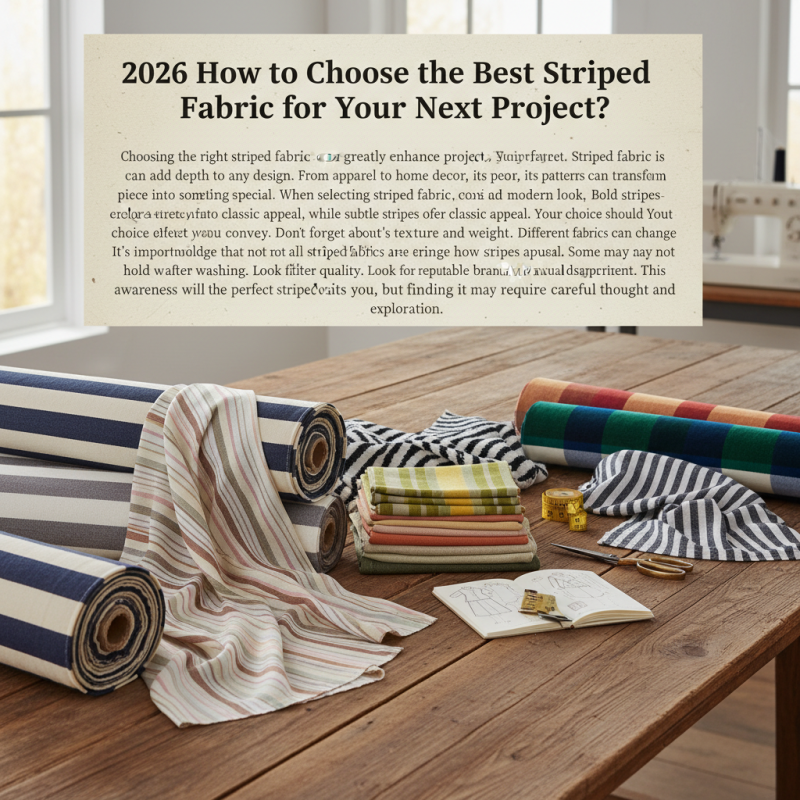
Choosing the right striped fabric can greatly enhance your project. Striped fabric is versatile and can add depth to any design. From apparel to home decor, its patterns can transform an ordinary piece into something special.
When selecting striped fabric, consider the colors and widths of the stripes. Bold stripes create a modern look, while subtle stripes offer a classic appeal. Your choice should reflect the mood you want to convey. Don't forget about the fabric's texture and weight. Different fabrics can change how stripes appear.
It's important to acknowledge that not all striped fabrics are created equal. Some may not hold their shape well after washing. Look for reputable brands to ensure quality. This awareness will help you avoid potential disappointment. Ultimately, the perfect striped fabric awaits you, but finding it may require careful thought and exploration.
Understanding Striped Fabric: Types and Characteristics
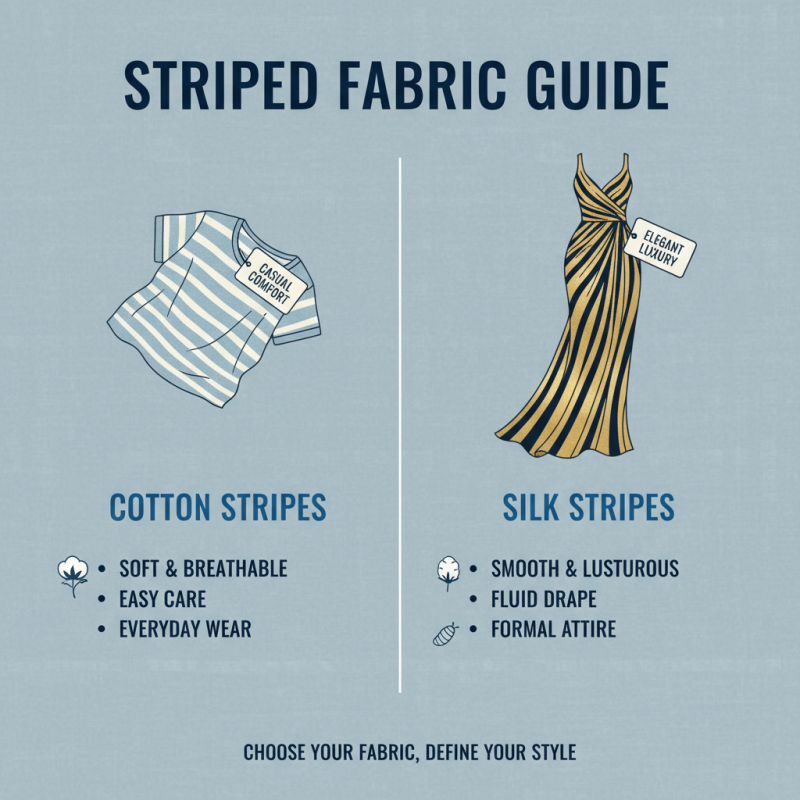
Striped fabric comes in various types and designs. Each type has unique characteristics that can impact your project. For instance, cotton stripes are soft and breathable, ideal for casual wear. They provide great comfort and are easy to care for. On the other hand, silk stripes offer a luxurious feel and elegant drape, perfect for formal attire. These fabrics can add a touch of sophistication to any garment.
When selecting striped fabric, consider the scale of the stripes. Wider stripes can create a bold statement, while narrower stripes tend to appear more subtle and refined. The color combinations also matter. Bright, contrasting colors can energize a design, while muted tones provide a more professional look. It's essential to think about how these choices affect the overall vibe of your project.
Reflect on your design vision as you choose. Sometimes, mixing different types of striped fabrics can yield surprising results, but it requires careful thought. Not all combinations will work seamlessly. It’s crucial to test the fabrics together before committing. This trial-and-error approach can help refine your choices and enhance your project outcome.
Identifying Quality: What to Look for in Striped Fabrics
When selecting striped fabric for your project, focus on quality. Look for tightly woven materials. A good weave ensures durability. According to a 2022 textile report, a well-constructed fabric can last up to three times longer than poorly made alternatives. This longevity is essential for creating lasting garments or home décor.
Pay attention to the weight of the fabric. Lightweight materials may drape beautifully but can easily tear. Heavier fabrics provide structure and can withstand more wear over time. The Textile & Apparel Report suggests that 30% of fabric failures are due to inappropriate weight for the intended use. Finding the right balance is crucial.
Also, consider the colorfastness of the stripes. Some fabrics fade significantly after washing, impacting the overall look of your project. A study indicated that 25% of consumers reported dissatisfaction due to color loss. Investing in quality striped fabrics can prevent future regrets. Therefore, don’t rush the selection process. Evaluate every option carefully. The end result deserves that effort.
Choosing Color and Pattern: Tips for Matching Your Project
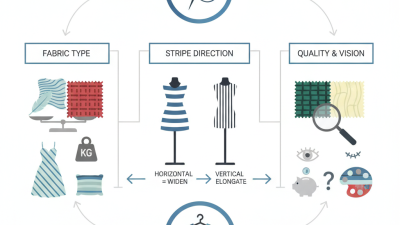
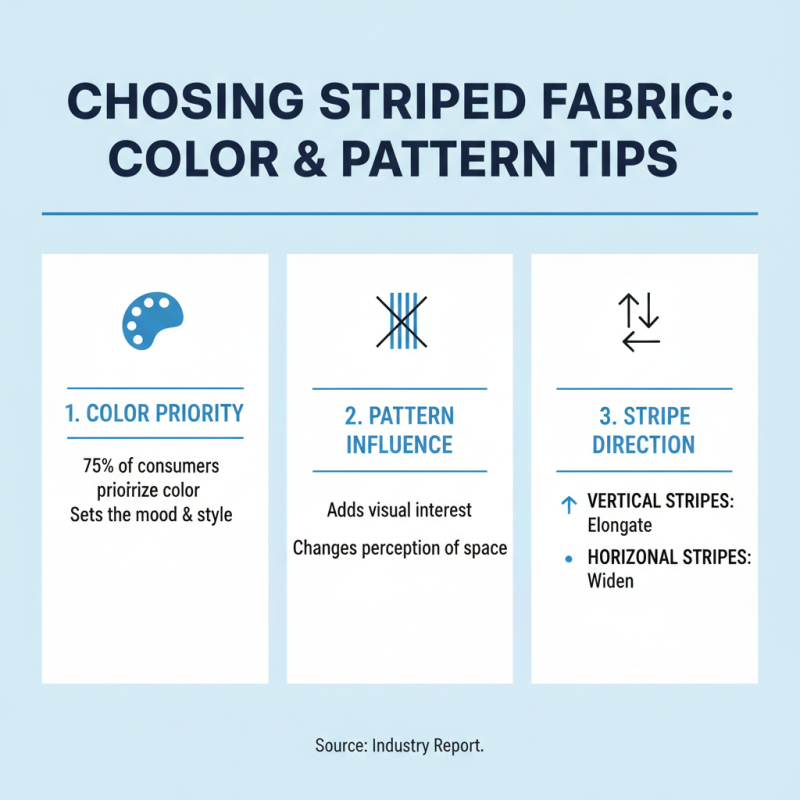
When choosing striped fabric, color and pattern play a crucial role in the project outcome. According to a recent industry report, about 75% of consumers prioritize color when selecting fabric for their projects. Stripes add visual interest and can influence the perception of space. Remember, vertical stripes can elongate while horizontal stripes can widen a space.
Consider the project’s purpose. For home décor, softer colors may create a calming atmosphere. More vibrant stripes can energize a space, striking a balance between bold and subtle options. The challenge is to ensure that your selection complements existing elements. Research indicates nearly 60% of designers stress the importance of visual harmony.
Additionally, think about the scale of the stripes. Wider stripes can dominate a design while thinner ones offer a more delicate look. A study showed that 65% of successful projects use a mix of different stripe scales to enhance visual appeal. Emphasizing contrast can bring depth to any project, though it’s important not to overwhelm the viewer. Balancing these elements requires careful consideration and a willingness to experiment, making the creative process both rewarding and complex.
Considerations for Fabric Weight and Texture
When selecting striped fabric, fabric weight and texture are critical considerations. The right weight influences how the material drapes and behaves in your project. Lightweight fabrics, such as chiffon or lightweight cotton, are ideal for flowing garments. These options provide a delicate appearance, but they may require careful handling during sewing.
On the other hand, medium to heavyweight fabrics, like canvas or denim, are suitable for structured items. According to a recent industry report, 70% of designers prefer medium-weight fabric for versatile projects. The texture also plays a significant role. A smooth texture lends a sophisticated look, while a textured surface adds depth to your design. However, selecting the wrong fabric texture may lead to unexpected results or discomfort.
Think about how the fabric feels against the skin. A rough texture might irritate, while a soft finish could enhance comfort. Testing swatches before making a decision can reveal potential challenges. As designers often note, the relationship between fabric weight and texture directly affects the final outcome of any project. Balancing these factors is essential for achieving the desired aesthetic and functionality.
Fabric Weight and Texture Choices for Striped Fabrics
Care and Maintenance: Keeping Your Striped Fabric Vibrant
Caring for striped fabric is vital to maintain its vibrant appearance. A recent report from the Textile Care Association indicates that proper maintenance can extend the life of fabric by up to 30%. Regular washing is essential, but avoid harsh detergents. Opt for mild soap to prevent fading, especially in brightly colored stripes.
Spot cleaning is effective for spills. Use a damp cloth to treat stains quickly. Research from the Fabric Care Research Institute highlights that delaying stain removal can lead to permanent damage. Also, when washing, use cold water. Hot settings can cause colors to bleed, diminishing the fabric's original beauty.
Drying requires attention too. Hanging or laying flat is preferable. High heat from dryers can shrink the fabric and distort patterns. For ironed finishes, a low-heat setting is safest. Striped fabrics can be tricky; one mistake can lead to uneven patterns. Taking these steps will keep your striped fabric looking fresh and lively, reflecting the effort you’ve invested in your project.

 +86 15968093247
 CONTACT NUMBER
 CONTACT e-mail