+86 15968093247


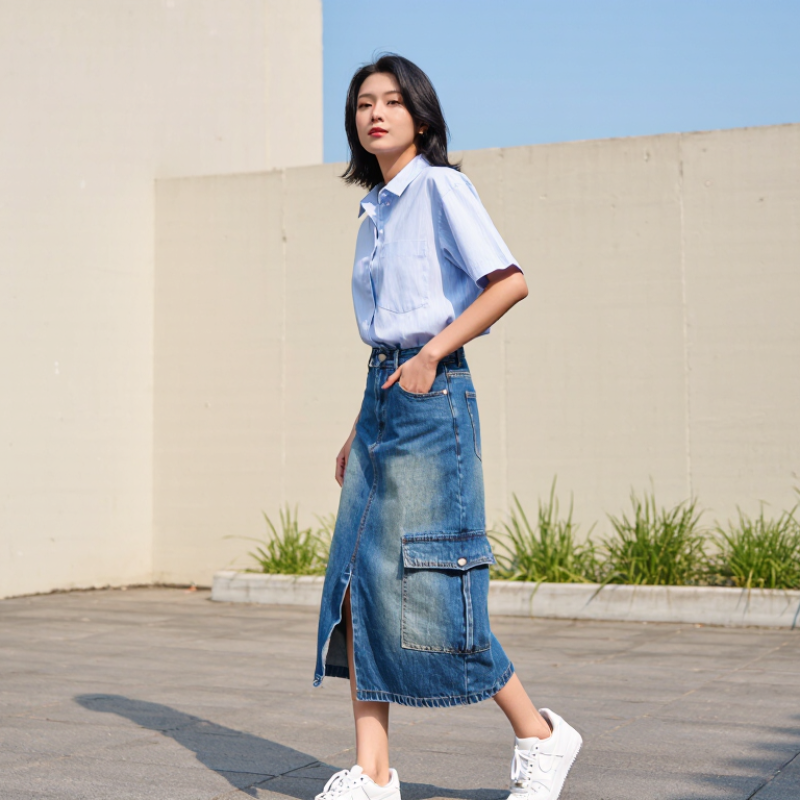
Denim Skirts keep returning to wardrobes because they combine a familiar fabric with an easy, adaptable shape. A faded blue midi can work with sneakers and a cotton shirt; a darker, structured mini feels sharper with boots. The appeal is practical, too. Denim is durable, easy to style, and often softens with wear. Not every skirt is comfortable, though. A stiff waistband or narrow slit can make a promising outfit less wearable.
Industry figures offer useful context, but they need careful reading. Grand View Research estimated the global denim jeans market at USD 86.66 billion in 2023 and forecast a 5.8% compound annual growth rate from 2024 to 2030. That report measures jeans, not skirts, so it cannot prove skirt-specific demand. It does show denim’s wider commercial reach. Denim historian Josh Sims, author of Jeans: A Cultural History, provides another lens: his work traces how denim has moved between workwear and mainstream fashion. This is a paraphrase of his historical analysis, not a direct quotation. The distinction matters. Popularity has several causes—versatility, changing trends, and personal preference—and no single market statistic explains them all. A denim skirt can feel timeless to one wearer and awkward to another. That tension is part of its story.
A denim skirt is defined by its fabric, not by one particular cut. Traditional denim is a sturdy twill, usually woven with indigo-dyed warp yarns and lighter weft yarns. This creates the familiar diagonal texture and blue face. A straight skirt, an A-line shape, and a button-front mini can all qualify if they use denim. Color alone is not enough; a blue skirt in plain-weave cotton is not necessarily denim.
The material keeps changing. Textile Exchange’s Materials Market Report 2024 estimates that global fiber production reached 124 million tonnes in 2023, with cotton accounting for about 20 percent. That wider fiber mix helps explain why denim skirts may contain cotton blends, recycled fibers, or a little elastane for stretch.
Check the care label and fabric composition; the word “denim” does not guarantee a fixed recipe.
It can also feel too neat to define the garment by fabric alone. Weight, seam placement, washing, and hem finish change how a skirt drapes and wears.
A stiff, dark twill feels quite different from soft, faded denim. That contrast matters.
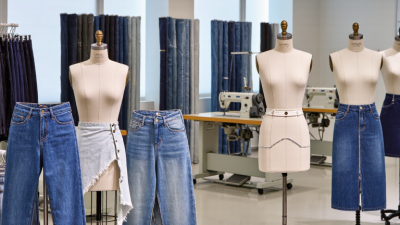
Denim skirts began as practical adaptations of sturdy workwear fabric. As denim moved into everyday clothing, skirts offered a softer alternative to jeans without losing their durable feel. Some were made by opening the seams of old jeans and reshaping the legs into a skirt. The result was often uneven. That roughness became part of the appeal.
Fashion kept changing the silhouette. Longer skirts suited relaxed, casual dressing, while shorter hemlines brought denim into youth-focused looks during later decades. Today, straight, A-line, and maxi versions sit alongside distressed styles. A stiff dark denim skirt can feel neat with a tucked-in shirt; a faded one pairs easily with a loose sweater. Trends do return, though not always in exactly the same form. The fabric can also feel heavy or restrictive, a detail fashion photos rarely show.
Tips: Check how the skirt moves when you sit and walk. Look for a comfortable waistband and sturdy seams. If the hem feels too polished, a simple turn-up can make it more relaxed. Pair volume with balance: a roomy skirt often works well with a closer-fitting top.
Why it matters: Denim skirts draw on denim’s practical origins and its later association with casual, youth-led, and mainstream style. These historical milestones show the broader fashion context—not denim-skirt sales or popularity measurements.
Sources: U.S. Patent 139,121 (1873); Encyclopaedia Britannica, “Jeans”. Later dates indicate decades, not exact event years.
A denim skirt works across styles because it is a familiar base, not a fixed look. A straight, knee-length cut can feel relaxed with a soft cotton tee and canvas shoes. Add a tucked shirt and a narrow belt, and the same skirt looks more considered. Small choices change the mood. Even the wash matters: pale blue feels easy in daylight, while darker denim often pairs neatly with sharper layers.
For a more polished outfit, try a clean jacket and simple flats; for a softer look, wear a loose knit with the hem visible. A longer skirt can balance a fitted top, while a shorter one often suits roomy layers. The details are practical, too. Pockets hold a phone, and sturdy denim handles frequent wear. But it is not effortless for everyone. Thick fabric can feel warm on a crowded commute, and a stiff waistband may sit awkwardly after lunch. I still find myself choosing a softer, broken-in skirt over a crisp new one, even when the crisp version looks better on a hanger. Some outfits need adjusting in real life.
Denim skirts stay popular because they earn their place through regular wear. Sturdy cotton twill can handle commutes, long walks, and repeated sitting, though seams and hems still take strain. That matters. WRAP’s 2012 Valuing Our Clothes report estimated that extending a garment’s active life by nine months could reduce its carbon, water, and waste footprints by 20–30 percent. This is an apparel-wide estimate, not a promise about every denim skirt, but it shows why lasting clothes matter.
Care is refreshingly ordinary. Turn a skirt inside out, wash it with similar colors on a cool cycle, and air-dry when practical. These steps can help limit fading and wear from frequent hot washing and tumble drying. Denim can often be reworn after airing, unless spills or odor suggest otherwise. Less fuss. The US EPA’s 2018 materials report recorded 17 million tons of textile waste generated in the United States, with 2.5 million tons recycled. Those figures cover all textiles, but they make longer wear and small repairs worth considering. A loose button is a quick fix; a fraying hem may take more work. Denim is durable, not indestructible, and care needs vary with fabric weight, dye, and fit.
Modern denim skirts stay relevant because their cuts have moved beyond the stiff, short styles many people picture. Current designs include straight midis, soft A-lines, and longer pencil shapes. A side slit can make a narrow skirt easier to walk in, while a shaped waistband helps it sit more securely. Small changes matter.
Wash and construction also shape how a skirt feels in daily wear. A dark, even finish can look polished with a tucked-in shirt; faded denim feels more relaxed with a simple knit. Button fronts, contrast stitching, and visible seams add detail without requiring elaborate styling. Pocket depth is practical, too, though decorative pockets still appear and can disappoint.
Fabric choices vary. Some skirts use firm cotton denim, while others add stretch for easier movement. Neither option suits everyone: firm denim may feel restrictive when seated, and stretch fabric can lose its shape over time. Trying the skirt while sitting and walking gives a clearer sense of fit than checking the mirror alone. Length, slit placement, and waistband height can change the experience more than a trend-driven detail. That is part of their appeal—and their occasional frustration.
| Dimension | What Makes It Appealing | How Modern Designs Keep It Relevant | Everyday Example |
|---|---|---|---|
| Durable material | Denim is a sturdy woven cotton fabric that can hold its shape and withstand regular wear. | Different fabric weights and finishes give skirts options for warmer or cooler weather and different levels of structure. | Wear a lighter denim skirt in warm weather or a heavier one with tights in cooler weather. |
| Easy styling | Denim’s casual appearance pairs naturally with many everyday wardrobe basics. | Clean, minimal cuts can be dressed up or down with changes to footwear, layers, and accessories. | Pair a straight skirt with a T-shirt and sneakers, or add a shirt and ankle boots. |
| Variety of lengths | Different skirt lengths suit different preferences, occasions, and seasons. | Mini, knee-length, midi, and longer silhouettes offer alternatives to the traditional short denim skirt. | A midi skirt can be worn with a tucked-in top, while a longer skirt works well with a fitted layer. |
| Changing silhouettes | A skirt’s cut can alter its look without changing the familiar denim material. | A-line, straight, fitted, and relaxed shapes keep the category adaptable to changing fashion preferences. | Choose an A-line shape for a flared outline or a straight cut for a more streamlined look. |
| Functional details | Pockets, waistbands, and closures make denim skirts practical for everyday use. | Designs may include front or back pockets, button fronts, belt loops, or a front or back slit for ease of movement. | A slit can make walking more comfortable in a longer, straighter skirt. |
| Wash and finish choices | Denim can have a range of colors and surface finishes while retaining its recognizable texture. | Dark, medium, light, and black washes provide alternatives for different outfits and levels of formality. | A dark wash can create a more polished appearance than a heavily faded finish. |
| Seasonal layering | A denim skirt can be worn with layers rather than being limited to one season. | Adjusting tights, tops, outerwear, and footwear helps the same skirt work across changing temperatures. | Combine a midi skirt with tights and a sweater in cooler weather, or a light top in warmer weather. |