Why Choose Plain Fabric for Global Textile Sourcing?
Why Choose Plain Fabric for Global Textile Sourcing? The answer begins with control, consistency, and practical performance. Plain Fabric offers a clean structure without complex patterns, making quality easier to inspect across production batches. Buyers can compare weight, weave, hand feel, shrinkage, and color accuracy with greater confidence. A roll of cotton Plain Fabric should feel even, with stable edges and no unexpected slubs. Small details matter.
Textile consultant David Shah has said, “A fabric must be judged by what it does, not only by how it looks.” This principle remains valuable for international sourcing. Plain Fabric can support shirts, uniforms, bedding, packaging, and countless private-label products. Its neutral surface also simplifies dye matching and future customization. Suppliers can often produce it in flexible widths, fiber blends, and weights. These options help brands manage changing market needs.
Reliable sourcing still requires more than a simple appearance. Professional buyers should request test reports for GSM, tensile strength, colorfastness, pilling, and dimensional stability. Factory audits, sample approvals, and traceable production records add further protection. Certifications may support responsible claims, but documents deserve careful verification. Paperwork can be incomplete. Assumptions can be expensive.
Plain Fabric is not automatically the cheapest choice. Lower prices may hide weak construction, unstable dyeing, or inconsistent finishing. Experienced sourcing teams compare total cost, delivery risk, minimum order quantities, and after-sales support. They also test fabric after washing, not only under showroom lights. That step can reveal unpleasant surprises. For global textile sourcing, Plain Fabric offers a dependable foundation, provided buyers examine performance as carefully as price.
What Is Plain Fabric in Global Textile Sourcing?
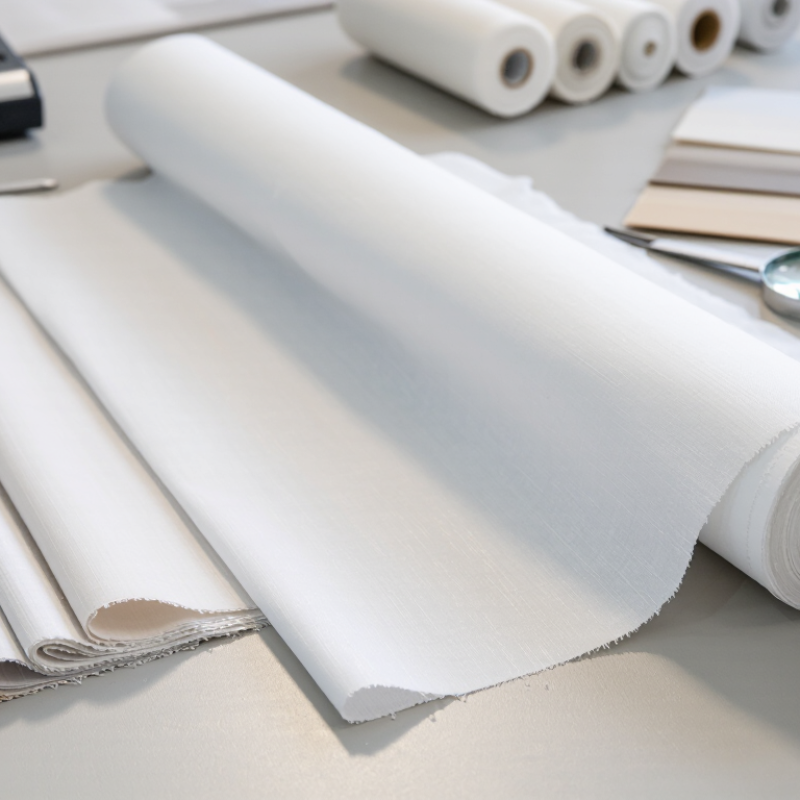
Plain fabric is a textile with a simple, non-figured surface. It may be woven or knitted, depending on the required performance. In global textile sourcing, buyers usually assess fiber, yarn count, weight, width, finish, and color consistency. Cotton, linen, polyester, viscose, and blends are common options. A fabric roll can look uniform under warehouse lights, yet show shade variation outdoors. That detail matters.
From sourcing experience, plain fabric is often selected for shirts, linings, uniforms, bedding, and home products. Its uncomplicated surface supports flexible cutting and easier decoration. However, “plain” does not mean basic or identical. Two fabrics with the same composition may differ in shrinkage, pilling, hand feel, and seam stability. Ask suppliers for current specifications, production samples, and test reports. Check washing performance before confirming large quantities. I have seen small measurement differences create avoidable fitting problems. Specifications can also be misunderstood when teams use different testing methods.
Tips:
Compare samples under natural and artificial light. Confirm usable width, not only nominal width. Record weight after conditioning. Request color standards and retain an approved reference. Discuss minimum order quantities and lead times in writing. For demanding end uses, arrange independent testing for colorfastness, strength, and dimensional change. A supplier’s answer should be clear, traceable, and supported by evidence.
Key Features and Common Types of Plain Fabric
Plain fabric is valued for its simple over-and-under construction. Each warp yarn crosses each weft yarn regularly. This structure creates a smooth surface, balanced strength, and predictable cutting performance. It also works well for shirts, linings, bedding, curtains, and lightweight bags. However, plain does not always mean thin. Weight can range from delicate voile to heavy canvas.
Fiber choice changes the fabric’s behavior. Cotton plain fabric feels breathable and absorbs moisture. Polyester offers quick drying, color stability, and stronger resistance to wrinkles. Linen provides a cool touch, although it may crease easily. Viscose gives a soft drape, but it often needs careful washing. Blended fabric can balance comfort, durability, and price. Common types include poplin, broadcloth, muslin, percale, voile, and canvas. Their differences usually involve yarn count, fabric weight, density, and finishing.
During sourcing, check GSM, usable width, shrinkage, colorfastness, pilling, and seam slippage. A sample may look excellent under showroom lights but behave differently after washing. Test a production-sized swatch. Small details matter. Inspect uneven edges and visible yarn knots before approval. I have found that low-cost fabric is not always economical when cutting waste increases. Still, fabric performance can vary between lots, so one inspection is never enough. A practical specification sheet should record fiber content, construction, tolerance limits, packing method, and test results.
Why Plain Fabric Supports Cost-Effective Global Production
Why Choose Plain Fabric for Global Textile Sourcing?
Plain fabric supports cost-effective global production because it uses a simple, repeatable construction. Mills can produce it with fewer pattern changes and shorter setup times. This often reduces labor costs and fabric waste. It also makes production planning easier across different countries and factories.
In sourcing projects, I have seen plain fabric simplify sampling and quality checks. A buyer can compare weight, width, color, and shrinkage without managing complex prints. Standard specifications also help factories quote more accurately. For example, a 150 GSM cotton fabric can be tested against the same target across several suppliers. Fewer variables usually mean fewer costly surprises.
Plain fabric works well for bulk orders and flexible product lines. It can be dyed in seasonal colors after the base fabric is approved. This approach may reduce inventory pressure, especially when demand is uncertain. However, plain fabric is not automatically the cheapest option. Fiber quality, dyeing requirements, minimum order quantities, and shipping distance still affect the final cost. A low initial quote may hide weak colorfastness or excessive shrinkage. That is why reliable sourcing requires lab testing, pre-shipment inspection, and clear tolerances. Sometimes, a slightly higher fabric price prevents larger production losses later. The process is efficient, but not perfect. Mistakes still happen when specifications are vague.
How to Evaluate Plain Fabric Suppliers and Quality
Plain fabric is often chosen for global textile sourcing because its simple surface reveals quality problems quickly. A weak weave, uneven dyeing, or loose edge is difficult to hide. Yet supplier selection requires more than comparing price lists. Buyers should review production experience, export records, factory capacity, and quality control procedures.
Request a recent fabric sample from the intended production line. Check its weight, width, yarn evenness, and hand feel under natural light. Ask for test results covering shrinkage, colorfastness, tensile strength, and pilling. Independent laboratory reports add credibility, especially when orders cross multiple markets. The supplier should also explain fiber content, batch tracking, inspection points, and acceptable tolerance levels. Clear documents matter.
Test the sample after washing it.
A reliable supplier accepts reasonable scrutiny. They should disclose whether finishing changes the fabric’s weight or softness. During a factory visit, observe roll labeling, storage conditions, and inspection records. Moisture, dust, and mixed batches can affect consistency before shipment. Small differences may become costly in large production runs. I have found that one approved sample never tells the whole story. Repeat testing is slower, but it exposes variation between batches. No inspection method is perfect. Buyers should record defects with photographs, measurements, and corrective actions. Sometimes, a cheaper supplier performs well; sometimes, the paperwork looks stronger than the fabric. That uncertainty deserves a second check.
Why Choose Plain Fabric for Global Textile Sourcing?
Supplier and quality evaluation framework for plain fabric sourcing
Quality consistency
Stable GSM, width, shade, and dimensional performance reduce production risk.
Compliance readiness
Testing should cover colorfastness, restricted substances, and applicable safety requirements.
Supply reliability
Lead time, minimum order quantity, capacity, and inspection procedures are key sourcing factors.
Scores represent a practical 100-point supplier evaluation model for plain fabric sourcing. Higher scores indicate stronger performance against the selected purchasing criteria.
Major Factors Affecting International Plain Fabric Sourcing
Why Choose Plain Fabric for Global Textile Sourcing?
Plain fabric remains practical because its simple surface supports many end uses. Yet simplicity does not guarantee easy international sourcing. Fiber composition, fabric weight, width, weave density, and finishing methods can change performance significantly. A lightweight cotton fabric may feel cool, but it can shrink after washing. A polyester blend may resist wrinkles, but it may not suit every sustainability requirement. These details affect product quality, pricing, and customer expectations.
From my sourcing experience, supplier capability matters as much as the fabric itself. Buyers should review production capacity, sample consistency, inspection procedures, and documented test results. Useful tests include colorfastness, dimensional stability, tensile strength, and pilling resistance. Lead time also deserves careful attention. Ocean schedules, seasonal demand, port delays, and customs documents can disrupt a carefully planned launch. I once focused too heavily on the quoted price and underestimated packaging and inland transport costs. That was avoidable. A clear specification sheet and written payment terms reduce similar mistakes.
Tips: Request a lab-dip and pre-production sample. Confirm finished width, GSM, tolerance, packing method, and minimum order quantity. Compare total landed cost, not only the fabric price. Ask how rejected rolls are handled. Small details matter. A second inspection may feel expensive, but inconsistent shade can cost much more. Review compliance documents independently when possible, and keep communication records for every approved change.

 +86 15968093247
 CONTACT NUMBER
 CONTACT e-mail