Top Plain Fabric Trends to Watch in 2026 for Global Buyers?
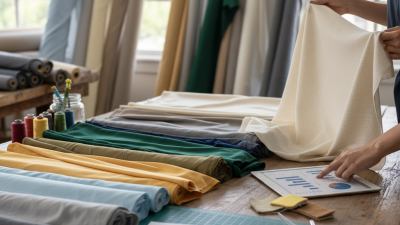
As we move toward 2026, the demand for Plain Fabric is set to evolve significantly. Market research indicates that the global plain fabric market is expected to grow at a CAGR of 5.4%, reaching approximately $150 billion by 2026. This trend reflects an increasing preference for simplicity and versatility in textile design. Buyers are looking for high-quality materials that offer both durability and comfort.
Sustainability is another critical factor shaping the Plain Fabric market. Reports highlight that over 60% of consumers prefer sustainable fabrics. This shift urges manufacturers to adopt eco-friendly processes. Organic cotton, linen, and recycled polyester are gaining attention among brands focusing on sustainability.
Yet, challenges remain. The market faces issues such as fluctuating raw material costs and varying consumer preferences across regions. Buyers must be prepared to adapt quickly to these changes. Understanding the balance between quality, cost, and sustainability will be key to success in sourcing Plain Fabric in the coming years.
Emerging Color Palettes in Plain Fabrics for 2026
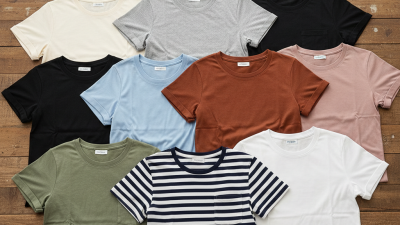
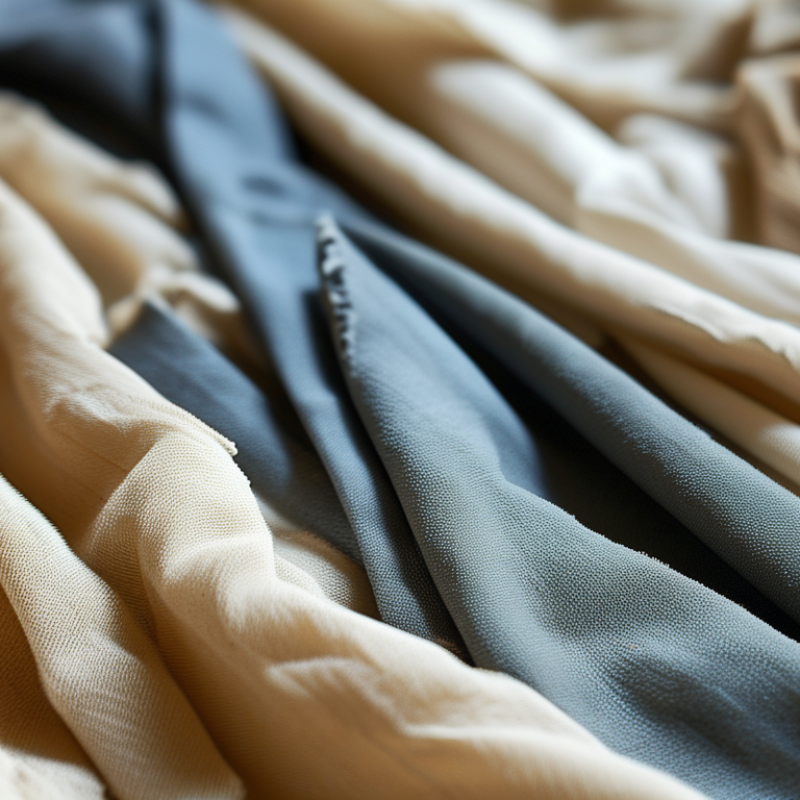
As we approach 2026, plain fabrics emerge in innovative color palettes. Designers and buyers must pay attention to these trends. Bold yet soothing colors will dominate, creating a balance in fashion. Expect earthy tones like terracotta and sage green to rise. These shades evoke nature and tranquility, appealing to a growing desire for sustainability.
Soft pastels will also gain traction. Colors such as blush pink and pale blue bring a sense of calmness. They complement various styles, from casual wear to formal attire. This versatility is crucial for global buyers seeking to meet diverse market demands. However, some may wonder if these soft hues can truly captivate audiences.
In contrast, striking colors are set to make statements. Vibrant shades like electric blue and fiery red will attract attention. They challenge traditional aesthetics, promoting self-expression. Yet, there may be hesitation about their longevity in the market. Balancing boldness and subtlety might be the key to success. As trends evolve, understanding consumer preferences will be essential.
Sustainable Materials Revolutionizing Plain Fabric Choices
The plain fabric market is undergoing significant changes, driven by sustainability. Increasingly, consumers are choosing materials that cause less harm to the environment. Reports indicate that the demand for sustainable fabrics is projected to increase by 40% by 2026. This shift reflects a growing awareness of ecological issues among buyers.
Sustainable materials, such as organic cotton and recycled polyester, are leading the revolution. These fabrics require less water and energy during production. According to a recent industry study, organic cotton uses 91% less water than conventional cotton. This not only reduces environmental stress but also appeals to eco-conscious consumers seeking quality and sustainability.
**Tips:** When selecting fabrics, always check for certifications. Look for GOTS or OEKO-TEX labels to ensure sustainability. Explore innovations in fabric blends; they offer both durability and softness while minimizing environmental impact. Reflect on your sourcing practices, as this might influence your customers' choices. Adopting sustainable options could amplify your market reach.
Innovative Weaving Techniques Impacting Fabric Trends
Innovative weaving techniques are transforming fabric trends globally. In 2026, these advancements will play a crucial role in shaping the market. New methods enhance the texture and durability of plain fabrics, offering diverse applications. For instance, jacquard weaving techniques are gaining popularity. This approach creates intricate patterns while maintaining the simplicity of plain fabric.
Sustainability remains a key focus. Weaving techniques that utilize recycled fibers are on the rise. This change appeals to eco-conscious consumers. Buyers are increasingly seeking materials that not only look good but also contribute to a healthier planet. Additionally, the use of bio-based materials is being explored. However, sourcing these fibers can present challenges.
Moreover, digital weaving technology is gaining traction. It offers precise control over the fabric design process. Yet, it also raises concerns about the authenticity of textiles. Some buyers may miss the artisanal quality of traditional methods. Balancing innovation with craftsmanship will become essential in the future. As we move towards 2026, these weaving techniques will redefine what plain fabrics can offer.
Consumer Preferences Shaping the Future of Plain Fabrics
As we approach 2026, the landscape of plain fabrics is rapidly changing, driven by evolving consumer preferences. A recent study from the Textile Exchange reveals that 78% of consumers prioritize sustainable materials. This emphasis on sustainability is reshaping production processes globally. Manufacturers are increasingly adopting eco-friendly practices to meet this demand, which includes sourcing organic fibers and reducing water usage.
In addition, the demand for versatility in plain fabrics is growing. According to a report by Grand View Research, the global plain fabric market is expected to reach $100 billion by 2025. Many consumers prefer fabrics that can transition seamlessly from casual to formal settings. This shift indicates that quality and durability are just as important as aesthetic appeal.
**Tip:** Ensure your fabric choices align with consumer trends by investing in sustainable and versatile options. Stay informed about industry reports to understand shifting preferences.
Anticipating preferences also requires acknowledging imperfections in design and production. Some manufacturers face challenges in achieving the desired aesthetic while maintaining sustainability. Transparency in sourcing is essential for building trust with consumers. Buyers should expect honesty about material origins and production practices.
**Tip:** Regularly assess supplier practices to ensure they align with evolving consumer expectations. This will enhance credibility and customer loyalty in the long term.
Top Plain Fabric Trends to Watch in 2026 for Global Buyers
| Trend |
Description |
Consumer Preference |
Projected Growth (%) |
| Sustainable Fabrics |
Fabrics made from recycled or eco-friendly materials. |
High demand for eco-conscious choices. |
25% |
| Performance Textiles |
Fabrics that offer moisture-wicking, breathability, and durability. |
Increasing interest in functionality and comfort. |
20% |
| Digital Printing |
Advancements in printing technology allowing for customized designs. |
Higher preference for unique and personalized products. |
30% |
| Soft Touch Fabrics |
Fabrics that offer an exceptionally smooth and soft feel. |
Growing preference for comfort in everyday wear. |
15% |
| Minimalist Designs |
Plain and simple styles that emphasize elegance. |
Rising trend for versatile and timeless wardrobe staples. |
18% |
Global Supply Chain Influences on Plain Fabric Availability
As we look towards 2026, global buyers must pay attention to trends in plain fabrics. The availability of these materials is heavily influenced by supply chain dynamics. Factors such as transportation costs, raw material scarcity, and geopolitical tensions play significant roles. Buyers can no longer rely solely on traditional sourcing methods. Awareness of these elements is crucial.
When sourcing plain fabrics, it's wise to evaluate multiple suppliers. This strategy helps mitigate risks associated with supply disruptions. Keeping an open line of communication with manufacturers is also important. Transparency can lead to better partnerships. Buyers should visit production sites, if possible, to better understand their suppliers' capabilities and challenges.
Consider that the demand for sustainable fabrics is rising. This shift may lead to fluctuating prices and availability. Consumers are becoming more eco-conscious, putting pressure on manufacturers. Staying informed about sustainable practices in the fabric industry is vital. Buyers must be prepared for changes in lead times and costs. Flexibility in sourcing can provide an edge in a competitive market. Embracing uncertainty may lead to innovative solutions in procurement.

 +86 15968093247
 CONTACT NUMBER
 CONTACT e-mail