How to Choose the Best Plain Fabric for Your Sewing Projects?
Choosing the right plain fabric for your sewing projects can significantly impact the final outcome. According to a report by the Fabric Institute, plain fabrics account for over 40% of the fabric market, emphasizing their importance in various sewing applications. Expert designer Julia Hart explains, “The choice of plain fabric can make or break your sewing project.”
When selecting plain fabric, consider factors like texture, weight, and fiber content. These elements can alter the way a garment drapes. For example, a lightweight cotton may be ideal for summer dresses, while medium-weight linen works well for tailored garments. However, selecting the wrong type can lead to disappointing results. You might find that a beautiful design falters without the appropriate fabric support.
Research also shows that shoppers often overlook the significance of fabric quality, focusing instead on price. This mindset can yield short-term savings but long-term regret. A poor-quality plain fabric can lead to fabrics that pill or fade, detracting from your hard work. Prioritizing quality alongside cost is essential for a successful sewing experience.
Understanding Different Types of Plain Fabrics for Sewing Projects
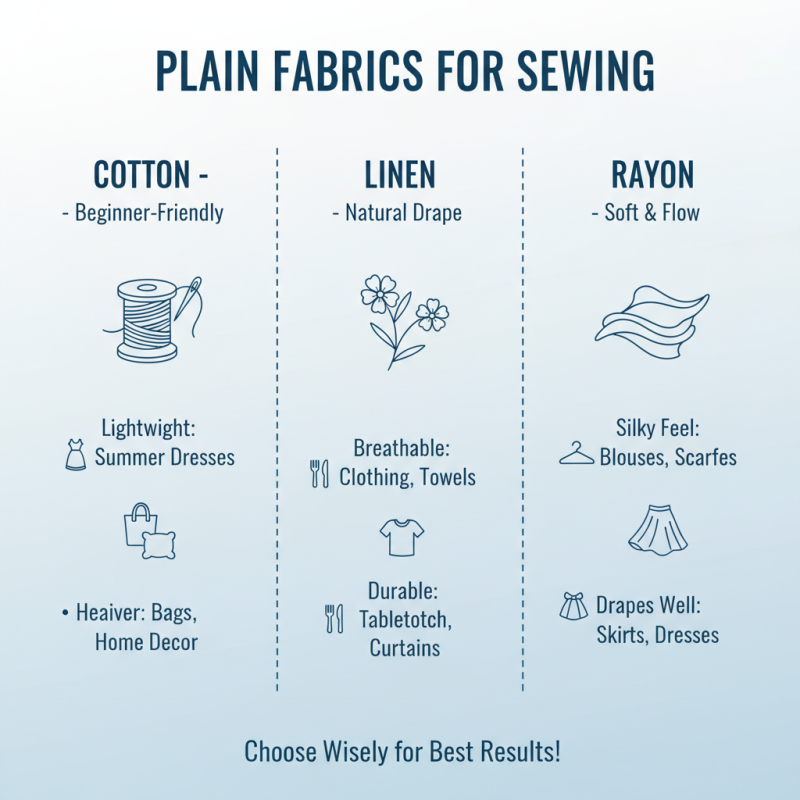
Choosing the right plain fabric can significantly impact your sewing projects. Plain fabrics come in various types, each suited for different needs. Cotton is a popular choice for beginners. It is easy to work with and comes in many colors. A lightweight cotton can be perfect for summer dresses. On the other hand, a heavier cotton is great for bags or home decor.
Linen is another excellent option. It breathes well, making it ideal for warm climates. However, it can wrinkle easily, which might frustrate some sewers. Be prepared to embrace its relaxed look. Silk, while luxurious, requires more skill to handle. It slips easily and may be challenging for novice sewers. But the results can be breathtaking if mastered.
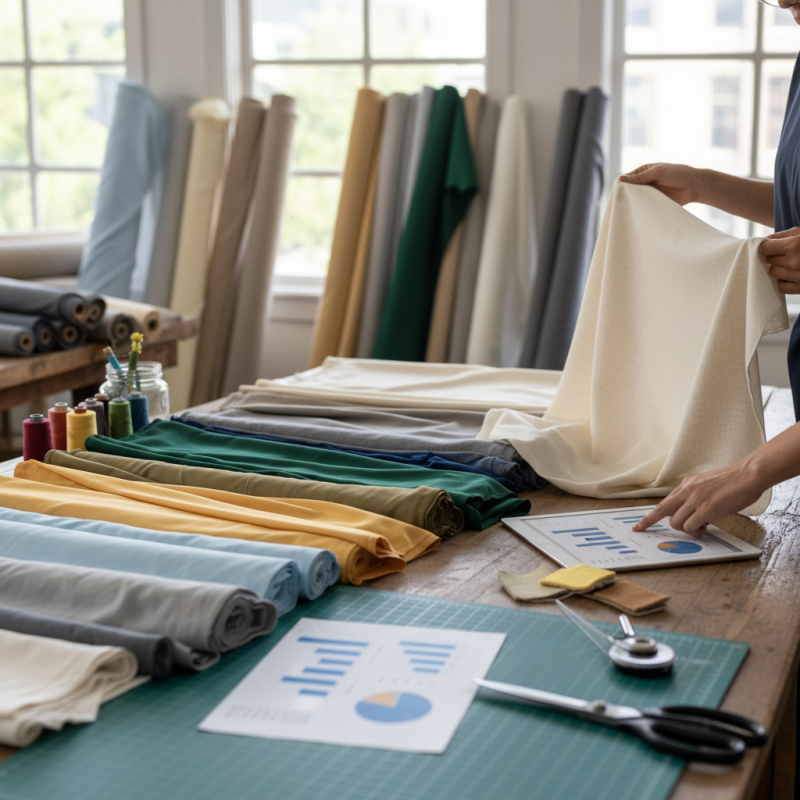
Consider the weight and drape of the fabric. A heavier fabric will behave differently than a light one. Think about the intended use of your project. If you make garments, drape is key. Lightweight fabrics work well for flowing designs. Reflect on your skill level and patience. Sometimes, opting for a simpler fabric can lead to more enjoyable sewing experiences.
Evaluating Fabric Weight and Its Impact on Your Sewing Creations
When selecting fabric for your sewing projects, understanding fabric weight is crucial. Fabric weight is often measured in grams per square meter (GSM). Lighter fabrics, like chiffon or voile, range from 70 to 150 GSM. These are perfect for summer garments but less durable. Heavier fabrics, such as canvas or denim, typically weigh 300 GSM or more. They offer sturdiness, making them suitable for bags or outerwear.
Consider how fabric weight affects the drape and structure of your creations. A lightweight fabric may flow beautifully, while a heavier option adds body. According to industry reports, around 65% of sewing enthusiasts prefer mid-weight fabrics. These are versatile for various uses, striking a balance between drape and durability.
Tips: When choosing fabric, think about end-use. For casual wear, prioritize comfort. For structured projects, go heavier. Always wash and pre-shrink your fabric to avoid surprises later. Keep in mind that experimenting with different weights can yield unique outcomes, but it may lead to unexpected challenges—be prepared for some trial and error during your creative process.
Choosing the Right Fiber Content for Durability and Comfort
Choosing the right fiber content in fabrics can significantly impact the durability and comfort of your sewing projects. Natural fibers, like cotton and linen, offer breathability. They are soft and comfortable against the skin. Reports suggest that cotton fabrics promote airflow, reducing moisture retention. This can be beneficial for warm-weather clothing. On the other hand, synthetic fibers, such as polyester, provide impressive durability. They resist shrinking and wrinkling, which some sewists prefer for long-lasting garments.
When selecting a fabric, consider how it feels and behaves. For instance, while cotton is comfortable, it can wear out more quickly than polyester blends. The durability of a fabric can diminish with washing and wear. A study from the Textile Research Journal indicated that polyester-cotton blends can offer the best of both worlds. They combine breathability and moisture-wicking properties with the resilience of synthetic fibers. However, be cautious. Blending can sometimes dilute the desired qualities of natural fibers.
Ultimately, balancing comfort and durability depends on your project's purpose. Test swatches can be helpful. Feel them in your hands. How do they drape? Do they meet your expectations? Reflecting on these aspects will lead to better fabric choices. Trust your instincts and the fabric’s characteristics when making decisions. It's a journey worth taking.
How to Choose the Best Plain Fabric for Your Sewing Projects
This chart shows the popularity of different types of plain fabric based on fiber content. The data reflects the preferences for durability and comfort among sewing enthusiasts.
Assessing Fabric Cost vs. Quality: Making Informed Choices
When choosing fabric for sewing projects, understanding the balance between cost and quality is essential. High-quality fabrics often demand a higher price, but they offer durability and better results. Cheaper options may save money upfront, but they can lead to issues later, like fraying or fading. It’s crucial to assess the long-term value of your choice.
Tips: Check the fabric's weight and feel. Lighter fabrics might seem more affordable, but they may not hold up well over time. Look for fabrics that feel nice to the touch. This can be a good indicator of quality.
Consider the type of project you're tackling. A budget fabric might work for practice, but investing in quality is crucial for items you’ll wear or gift. Remember that fabric can impact the finished look. A high-quality plain fabric can elevate your project significantly.
Tips: Do a burn test. This can help you determine fiber content and quality. It may seem tedious but can provide useful insights. Always wash and test fabric before committing. Quality can vary even within the same type of fabric. Taking the time to assess will pay off in the end.
How to Choose the Best Plain Fabric for Your Sewing Projects? - Assessing Fabric Cost vs. Quality: Making Informed Choices
| Fabric Type |
Price per Yard |
Quality Rating (1-5) |
Durability |
Recommended Projects |
| Cotton |
$8.00 |
4 |
High |
T-Shirts, Dresses |
| Linen |
$12.00 |
5 |
Medium |
Summer Wear, Tablecloths |
| Polyester |
$6.00 |
3 |
High |
Activewear, Linings |
| Rayon |
$10.00 |
4 |
Medium |
Blouses, Dresses |
| Canvas |
$15.00 |
5 |
Very High |
Bags, Upholstery |
Exploring Color and Texture Options to Enhance Your Projects
When selecting the best plain fabric for sewing projects, color and texture play vital roles. According to a report from the Fabric Association, 75% of sewing enthusiasts prioritize color when beginning a project. Rich tones can evoke emotions. For instance, warm colors like red and orange bring energy, while cool colors like blue and green promote calmness. Understand how your chosen color reflects your project's purpose.
Texture is equally crucial. Different fabrics have unique feels that can enhance or detract from a project. A study by Textile Insight reveals that 68% of consumers choose texture based on tactile experience. For example, a soft cotton is perfect for children’s clothing, while a more structured canvas works well for bags. However, the challenge is finding the right balance in texture. Too much smoothness can make a garment feel less durable. Conversely, overly rough textures may be uncomfortable.
Incorporating various textures can add depth to your projects. Experimenting with mixed fabrics can create contrast, enhancing visual interest. Some craftsmen overlook this aspect. They stick to familiar materials, missing out on innovative combinations. Carefully think about how texture and color interact. Evaluate how they contribute to your overall design vision. This thoughtful approach leads to better, more engaging sewing outcomes.

 +86 15968093247
 CONTACT NUMBER
 CONTACT e-mail