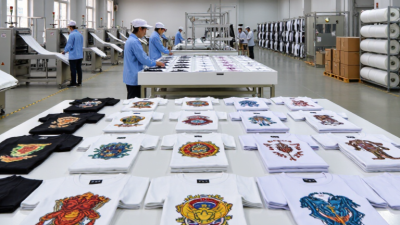
Top Graphic Tee Suppliers in China for Global Buyers
For global buyers, choosing a graphic tee supplier in China is about more than comparing prices. The right partner can help turn a design into a consistent product, from fabric selection to print placement and final packing. Graphic Tees may look simple, but small differences matter. A print that feels stiff, a collar that twists after washing, or a shade that shifts between batches can affect customer trust.
This guide introduces key factors to consider when reviewing Chinese suppliers. It looks at product capabilities, communication, sampling, quality checks, minimum order quantities, and production timelines. A useful supplier should explain fabric weights, printing methods, and available customization clearly. Ask for a physical sample where possible. Check seams, hand feel, color accuracy, and wash performance before approving a larger order. Details matter.
No supplier is perfect. A polished catalog does not guarantee reliable production, and a low quote may leave important costs unclear. Buyers should confirm specifications in writing and ask how defects or delays are handled. It is also wise to verify relevant business credentials and request evidence for any quality or sustainability claims. These steps take time. Sometimes, even careful checks miss something. The goal is not to promise a risk-free purchase, but to make informed comparisons and set clear expectations. With practical questions and realistic timelines, global buyers can identify suppliers better suited to their designs, budgets, and target markets.
Understanding China’s Graphic Tee Supply Market
China’s graphic tee supply market is broad, but suppliers often specialize in different stages of production. Some manage fabric sourcing, cutting, printing, sewing, and packing under one roof. Others focus on printing or garment assembly and rely on partner factories. That distinction affects communication, quality checks, and delivery schedules.
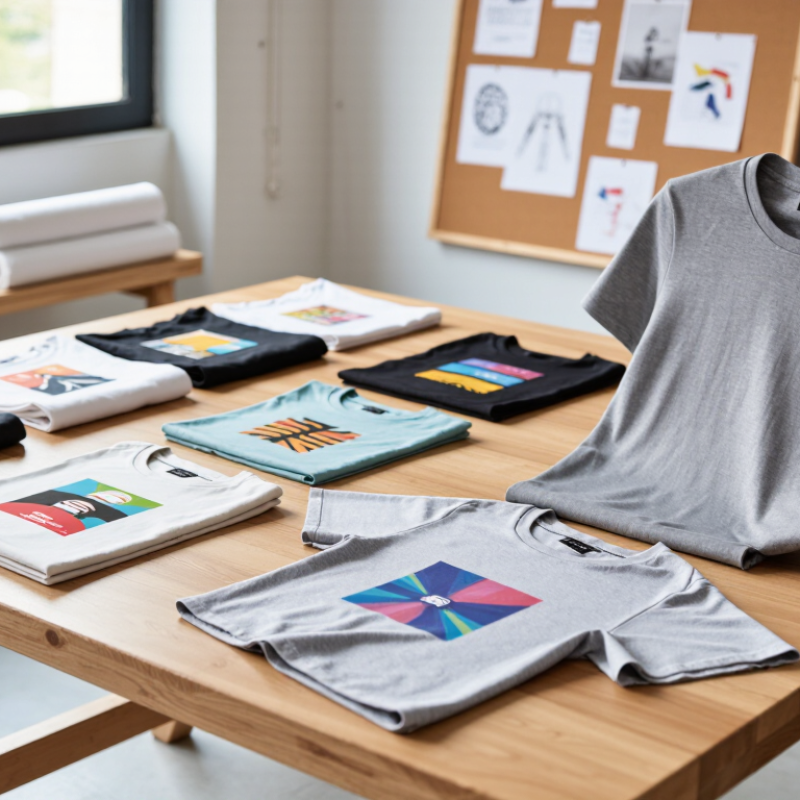
Details matter. Buyers should share a clear tech pack, including fabric composition, garment measurements, print placement, and color references. Ask for a sample made with the intended fabric and print method; a screen print and a digital print can look quite different after washing. Confirm minimum order quantities, sample fees, production capacity, and shipping terms in writing. A low unit price may not include packaging, inspection, or freight.
Supplier options vary by region and factory size, so location alone is not a reliable measure of fit. Request recent production photos, material documents, and a written inspection standard. For repeat orders, retain an approved sample and compare bulk garments against it. One detail buyers sometimes underestimate is shade variation between fabric batches. It can happen, and a careful supplier should explain how it is monitored. I would still leave room in the schedule for revisions; sample approval rarely goes perfectly on the first round.
Understanding China’s Graphic Tee Supply Market
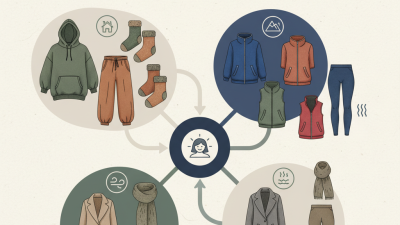
Supplier comparisons commonly consider print quality, fabric consistency, customization, order flexibility, and delivery planning. Scores shown are illustrative buyer-planning priorities on a 1–5 scale—not market statistics or supplier ratings. Verify capabilities, compliance, and lead times directly with each supplier.
How to Evaluate Graphic Tee Suppliers for Global Sourcing
For global buyers, evaluating graphic tee suppliers requires more than comparing prices and product photos. Ask how they control fabric weight, shrinkage, and color consistency. Request a sample in the exact fabric and print method you plan to order. Check measurements after washing, not just straight from the package. Small differences matter.
A capable supplier should explain its production steps clearly, from artwork approval to packing. Ask for a written quotation that separates garment, printing, labeling, and shipping costs. Confirm minimum order quantities, sample fees, production timelines, and how delays are reported. Ask for recent quality records or a sample inspection checklist. Look closely at print edges, placement, cracking, and color match under ordinary lighting. Ask for evidence.
Communication is part of quality control. Send one detailed specification sheet with artwork dimensions, color references, fabric composition, size tolerances, and packaging needs. Then check whether the supplier flags unclear details before production. A polished catalog is not proof of consistent output; a sample is useful, but it cannot reveal every batch variation. Consider starting with a smaller order, while recognizing that this may raise unit costs. No evaluation removes all uncertainty, so keep approval records and agree on how defects will be handled.
Leading Graphic Tee Suppliers in China
Leading Graphic Tee Suppliers in China serve a broad export market, but supplier quality varies by factory and product. The World Trade Organization’s World Trade Statistical Review 2023 reported that China accounted for about 31% of global clothing exports in 2022. That scale offers buyers access to fabric mills, cutting rooms, and printing services within established supply networks. Scale alone is not proof of consistency.
When evaluating a supplier, ask for fabric composition, weight in grams per square metre, shrinkage results, and print-wash test details. Request a sample made to the intended production specifications, not merely a showroom piece. Inspect collar recovery, seam alignment, print edges, and shade consistency under daylight. Small details matter. Confirm minimum order quantities, production lead times, and how defects are handled in writing. Independent testing can help verify claims, especially for repeat orders.
A polished sample can still hide production risks. That’s easy to overlook. A practical review should compare sample results with a pilot run and check whether the supplier can reproduce the same measurements and print placement across sizes. Keep records of approved artwork, fabric lots, and inspection findings. No single checklist catches everything, and buyers may need to revise specifications after the first run.
Comparing Products, Customization, and Minimum Order Requirements
When comparing graphic tee suppliers in China, look beyond the printed sample. Ask for fabric weight, fiber composition, print method, and wash-test results. A 180 GSM cotton tee feels different from a lightweight 150 GSM blend, even when both look similar in product photos. Grand View Research estimated the global custom T-shirt printing market at USD 5.06 billion in 2022 and forecast 11.1% annual growth from 2023 to 2030. This points to expanding demand, but it does not prove that every supplier can deliver consistent quality.
Customization often affects minimum order quantities. A stock blank with a simple screen print may require fewer units than a custom-dyed fabric, woven label, and several print locations. Ask suppliers to quote separate MOQs for stock colors, custom colors, and each decoration method. Request a pre-production sample showing the actual neckline, print placement, and label. Small details matter.
Check the numbers carefully. Some quotes list a low MOQ for one design, while color or size splits raise the total order. Request the MOQ per artwork and per color in writing, plus sample fees and lead times. A clear spreadsheet helps. I would not treat a single sample as proof of bulk consistency; that assumption is easy to make, and easy to regret.
Managing Quality Control, Shipping, and Supplier Relationships
For global buyers, supplier management starts with a clear, measurable specification. Send the Chinese factory a size chart, fabric weight, color references, print placement, and approved sample before bulk production. Keep one sealed sample as the comparison point. Check fabric shade, stitching, and print adhesion during production, not only at final inspection. Small differences matter. A chest print shifted by two centimeters can trigger rework across an entire order.
Agree on inspection timing, defect categories, and corrective-action deadlines in writing. A pre-shipment check should include random measurements, seam strength, print durability, labeling, and carton counts. Photos help, but they cannot replace physical testing. Even a thorough checklist misses things; that limitation deserves honest attention. Ask suppliers to report problems early, with dated photos and a proposed fix, rather than waiting for a perfect update.
Shipping plans need similar discipline. UNCTAD’s Review of Maritime Transport 2024 reported that container spot rates rose 122% between October 2023 and June 2024, illustrating how quickly freight costs can shift. Build schedule and budget buffers, confirm carton dimensions before booking, and agree who pays for rework or storage caused by delays. Use milestone updates for sampling, production, inspection, and dispatch. Keep communication practical and documented. A short written record prevents costly misunderstandings.

 +86 15968093247
 CONTACT NUMBER
 CONTACT e-mail