+86 15968093247


China’s graphic tee manufacturing sector has become a practical choice for global buyers seeking design flexibility, competitive pricing, and scalable production. Yet choosing a reliable supplier requires more than comparing catalog photographs. Fabric weight, cotton composition, ink durability, stitching quality, and production consistency can change the final result.
This guide introduces China’s top 10 Graphic Tees manufacturers for international buyers. Each company is considered through clear purchasing factors, including sampling accuracy, minimum order quantities, printing capabilities, export experience, quality control, and communication standards. Cotton samples, screen-print layers, woven labels, and packed cartons reveal details that online listings often hide. Production evidence matters.
Milton Glaser, a respected graphic designer, said, “There are three responses to a piece of design—yes, no, and WOW! Wow is the one to aim for.” His observation suits Graphic Tees especially well, because a shirt must attract attention quickly and remain wearable afterward. However, visual impact alone cannot guarantee a dependable supplier. A striking print may crack after several washes. A low quotation may exclude labels, testing, or careful inspection. Buyers should ask direct questions and request physical samples before placing large orders. No ranking stays perfect forever. Factory capacity, material costs, and service quality can change without warning. This overview therefore offers a practical starting point, not a final decision. It aims to help retailers, fashion labels, distributors, and promotional buyers compare suppliers with greater confidence and fewer expensive surprises.
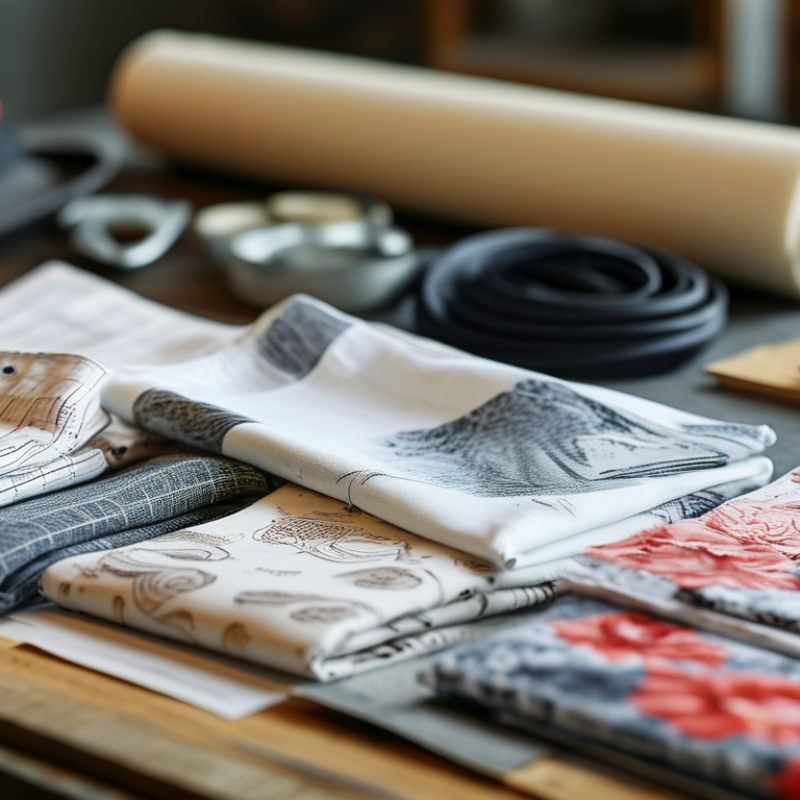
Evaluating China’s top graphic tee manufacturers requires more than comparing prices. Start with a physical sample and inspect the fabric under daylight. Check its weight, softness, shrinkage, and stitching around the collar. A 180 GSM cotton tee may feel reliable, but hand-feel can change after washing. Request a measurement chart and compare it with the finished sample.
Test the artwork carefully. Ask for a print sample using the same ink, colors, and placement as your order. Rub the print after washing it several times. Look for cracking, fading, or rough edges. Request production photos, quality-control records, and clear details about minimum order quantities. A dependable factory should explain its equipment, daily capacity, inspection process, and realistic lead time without vague promises.
Communication often reveals operational quality. Send a detailed tech pack with artwork files, color references, tolerances, labels, and packaging instructions. Notice whether the manufacturer identifies missing information or simply says yes. That matters. I have found that a polished sample can hide inconsistent sizing across a larger batch. An independent pre-shipment inspection can reduce this risk, although it adds cost and may not catch every issue. Ask how rejected pieces are handled, and confirm payment terms, replacement policies, and documentation before production begins. Small gaps here can become expensive delays.

The Top 10 Graphic Tee Manufacturers in China are not selected by price alone. Experienced global buyers assess fabric quality, printing control, production capacity, and export reliability. A strong manufacturer should provide clear fabric specifications, recent production samples, and consistent size measurements. Cotton weight matters. For warm markets, 160–180 GSM fabric often feels comfortable. Heavier 220 GSM options suit premium streetwear collections.
Reliable suppliers usually support several printing methods, including screen printing, direct-to-garment printing, embroidery, and heat transfer. Buyers should request wash tests before approving bulk production. Artwork placement must also be checked against a physical sample. Catalog images can look impressive. They may not show actual factory performance. I would not trust them alone.
China Top 10 Graphic Tee Manufacturers for Global Buyers
China’s leading graphic tee manufacturers now combine cut-and-sew production with flexible decoration methods. Buyers can request 160–240 GSM cotton, recycled blends, oversized fits, ribbed collars, woven labels, and custom packaging. Screen printing suits large runs, while DTG and DTF support detailed artwork and smaller batches. Embroidery adds texture, but it may distort lightweight fabrics.
Grand View Research estimates the global custom t-shirt printing market reached USD 4.31 billion in 2023. It also projects a 9.7% CAGR from 2024 to 2030. This growth increases demand for fast sampling and reliable color control. Manufacturers should provide lab dips, pre-production samples, wash tests, and measurable size charts. Ask for AQL inspection records. Do not rely on attractive photos alone.
Materials deserve equal attention. Textile Exchange’s 2024 Materials Market Report states that polyester represented about 57% of global fiber production in 2023. Buyers can request organic cotton, recycled polyester, or blended fabrics with verified documentation. However, recycled content does not automatically prove better durability. That assumption needs checking. A practical supplier review should compare shrinkage, print adhesion, fabric weight, lead time, and replacement procedures. Small errors still happen, especially with multi-color artwork and dark garments. Clear artwork files and signed samples reduce costly surprises.
A practical review of China’s top 10 graphic tee manufacturers should begin with quality control, not attractive catalogs. Request a physical sample before discussing large orders. Check fabric weight, shrinkage, colorfastness, seam strength, and print cracking after washing. A 180 GSM cotton shirt may feel sturdy, but actual measurements can vary between production lots. Ask for inspection photos, measurement charts, and a documented replacement policy. Small details matter.
Pricing depends on fabric composition, printing method, artwork size, garment color, packaging, and shipping terms. Screen printing often suits larger runs, while digital printing can reduce setup costs for smaller batches. Compare complete quotations, not only the unit price. Confirm whether sampling, labels, folding, cartons, and export paperwork are included. The cheapest offer may hide weak inspection standards. That happens.
Minimum order quantities differ widely. Some manufacturers accept 50 to 100 pieces per design, while others require several hundred pieces per color. Request a written MOQ table for sizes, colors, and print variations. A flexible factory may combine sizes, but not always different artworks. Buyers should also confirm sample lead time, bulk production time, payment stages, and approval procedures. Allow extra time for corrections. I have seen promising samples fail during bulk production because buyers approved too quickly. A pre-shipment inspection, using an agreed measurement tolerance, can reduce that risk. Country-specific labeling and chemical-safety requirements should also be verified before production. No supplier is flawless. Clear records make problems easier to solve.
| Rank | Anonymous Manufacturer Profile | Main Production Region | Core Product Capability | Typical Fabric Options | Common Decoration Methods | Indicative FOB Price / Piece | Typical MOQ | Sample Lead Time | Bulk Lead Time | Quality-Control Practices | Common Compliance Documentation | Buyer Suitability Score |
|---|---|---|---|---|---|---|---|---|---|---|---|---|
| 1 | Manufacturer Profile 01 | Guangdong | High-volume private-label graphic T-shirts | 180–240 GSM cotton; cotton-polyester blends | Screen print, DTG, embroidery, heat transfer | US$2.20–4.80 | 100–300 pieces per design | 5–8 working days | 18–30 days | Fabric inspection, inline checks, measurement control, final AQL inspection | OEKO-TEX availableBSCI available | 9.2/10 |
| 2 | Manufacturer Profile 02 | Jiangsu | Premium heavyweight and oversized streetwear tees | 220–320 GSM combed cotton; organic cotton options | Water-based print, puff print, discharge print, embroidery | US$3.40–7.20 | 80–200 pieces per color | 7–10 working days | 25–35 days | Pre-production sample approval, GSM testing, colorfastness testing, needle and seam inspection | GOTS optionsOEKO-TEX available | 9.0/10 |
| 3 | Manufacturer Profile 03 | Zhejiang | Small-batch custom apparel and startup orders | 160–220 GSM cotton; recycled polyester blends | DTG, DTF, screen print, sublimation | US$3.00–6.50 | 50–100 pieces per design | 4–7 working days | 15–25 days | Artwork verification, print-position measurement, wash testing, final visual inspection | OEKO-TEX on requestFactory audit support | 8.8/10 |
| 4 | Manufacturer Profile 04 | Fujian | Sports-inspired and performance graphic T-shirts | 140–200 GSM polyester; cotton-polyester jersey | Sublimation, screen print, reflective transfer, silicone print | US$2.60–5.40 | 100–300 pieces per style | 6–9 working days | 20–30 days | Color migration testing, fabric shrinkage testing, print adhesion testing, carton inspection | REACH supportBSCI available | 8.7/10 |
| 5 | Manufacturer Profile 05 | Shandong | Cost-efficient basic and promotional graphic tees | 160–200 GSM carded cotton; cotton-polyester blends | Plastisol screen print, heat transfer, embroidery | US$1.80–3.90 | 300–500 pieces per design | 7–10 working days | 20–32 days | Incoming fabric checks, size-set approval, inline inspection, random final inspection | WRAP supportBSCI available | 8.5/10 |
| 6 | Manufacturer Profile 06 | Guangxi | Organic and sustainable casualwear collections | 180–240 GSM organic cotton; recycled cotton blends | Water-based print, discharge print, embroidery, appliqué | US$3.20–6.80 | 100–250 pieces per color | 8–12 working days | 25–40 days | Fiber-content verification, shrinkage testing, colorfastness testing, needle detection and final audit | GOTS optionsGRS options | 8.5/10 |
| 7 | Manufacturer Profile 07 | Hubei | Fashion-forward graphic tees with complex embellishment | 200–280 GSM cotton; mercerized cotton options | High-density print, chenille patch, embroidery, mixed-media decoration | US$4.00–8.50 | 100–300 pieces per style | 8–12 working days | 28–40 days | Artwork preflight, embellishment approval, seam-strength checks, needle inspection, AQL final inspection | OEKO-TEX availableSocial audit support | 8.4/10 |
| 8 | Manufacturer Profile 08 | Hebei | Value-focused export basics and promotional merchandise | 150–190 GSM cotton; polyester-cotton blends | Screen print, DTF, heat transfer, sublimation | US$1.60–3.50 | 500–1,000 pieces per design | 7–10 working days | 22–35 days | Bulk fabric inspection, production-line sampling, packing verification, random final inspection | REACH supportThird-party inspection accepted | 8.1/10 |
| 9 | Manufacturer Profile 09 | Shanghai and surrounding area | Design-led premium merchandise and capsule collections | 200–280 GSM combed cotton; modal and organic cotton blends | Discharge print, water-based print, embroidery, woven labels | US$4.50–9.50 | 50–150 pieces per design | 7–12 working days | 25–45 days | Detailed tech-pack review, lab-dip approval, wash testing, measurement audit, third-party QC option | OEKO-TEX optionsGOTS options | 8.1/10 |
| 10 | Manufacturer Profile 10 | Anhui | Large-order basic tees with standardized production | 160–220 GSM cotton; recycled polyester blends | Screen print, DTF, embroidery, flock transfer | US$1.90–4.20 | 300–800 pieces per design | 6–9 working days | 20–32 days | Fabric weight checks, color approval, inline defect monitoring, carton-drop testing and final inspection | BSCI availableREACH support | 7.9/10 |
China remains a major sourcing base for graphic tees, but a ranking alone cannot identify the right supplier. The WTO World Trade Statistical Review 2023 reported that China supplied about 31.7% of global clothing exports in 2022. Scale matters. It does not guarantee consistent printing, fabric quality, or communication. Global buyers should compare production records, sample accuracy, minimum order quantities, and realistic lead times.
Material verification deserves equal attention. Textile Exchange’s Materials Market Report 2024 estimated that polyester represented 57% of global fiber production in 2023, while cotton accounted for about 22%. Ask suppliers for fiber composition records, colorfastness results, and restricted-substance testing. A useful factory should explain the test method, laboratory, and batch number. Vague certificates are warning signs. Small details matter.
Visit the production floor when possible. Check screen alignment, curing temperature, needle control, packaging, and worker safety procedures. Request a pre-production sample before approving bulk output. Use written inspection standards, not friendly promises. The OECD Due Diligence Guidance also supports risk-based checks across supply chains, including labor and environmental practices. A spreadsheet can still lie. I would also score suppliers by response speed, defect handling, and corrective action quality. The cheapest quotation may become expensive after reprints, delayed launches, and rejected cartons. Even experienced buyers sometimes overtrust polished samples. That mistake is worth designing out.