inquiry
Leave Your Message

10 Best Fleece Clothing Manufacturers for Global Buyers

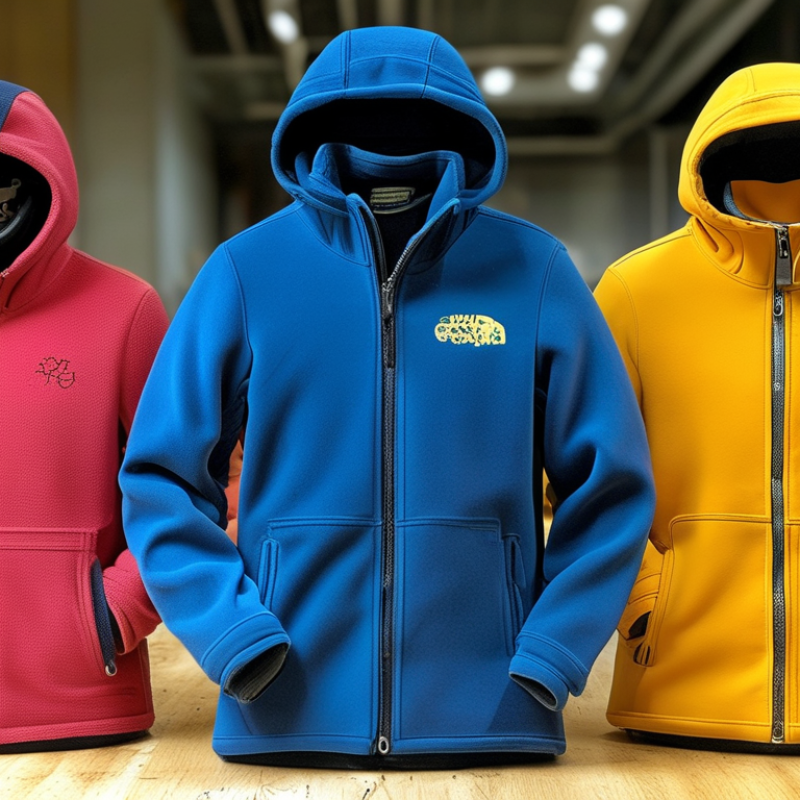
Choosing the right Fleece Clothing manufacturer can shape product quality, customer satisfaction, and long-term supply stability. Global buyers often compare fabric softness, warmth, pilling resistance, color consistency, and stitching strength. A hoodie may look excellent in a sample yet feel different after repeated washing. That difference matters.

This guide reviews 10 Best Fleece Clothing Manufacturers for Global Buyers. It focuses on practical sourcing evidence, including manufacturing experience, fabric options, production capacity, minimum order quantities, sampling procedures, and quality-control systems. Buyers should also examine certifications, factory communication, packaging standards, and delivery performance. These details help reduce surprises across international orders. Clear records matter.

The selected manufacturers represent different strengths. Some specialize in private-label sweatshirts and fleece jackets. Others support custom patterns, recycled fibers, embroidery, or technical outdoor designs. Their suitability may depend on order size, target market, budget, and required performance. No supplier is perfect. A factory with advanced equipment may not offer the lowest price. Another may provide flexible customization but need longer production time. Buyers should verify current information directly, request physical samples, and test garments before signing large contracts. This article offers a practical starting point, not a substitute for careful due diligence. It also recognizes an uncomfortable truth: impressive product pages cannot replace consistent factory evidence. With thoughtful comparison, buyers can select partners that deliver dependable Fleece Clothing and build stronger, more transparent supply chains.
10 Best Fleece Clothing Manufacturers for Global Buyers

What Makes a Fleece Clothing Manufacturer Reliable

A reliable fleece clothing manufacturer proves performance through repeatable work, not attractive samples alone. Buyers should inspect production history, product categories, and experience with recycled or blended fleece. Ask how fabric weight, fiber content, and shrinkage are recorded. A useful supplier provides test reports and explains failed results honestly. That answer matters.

During a factory review, check incoming fabric rolls, cutting accuracy, seam strength, and brushing consistency. Reliable teams use written inspection points at several stages. They should measure chest width after washing, not only before shipment. Request a pre-production sample, a size set, and a sealed bulk sample. Compare each against approved specifications. Small differences can become costly across thousands of garments. No factory is flawless. The real question is how quickly it detects and corrects mistakes.

Trust also depends on traceability and communication. A manufacturer should identify fabric mills, dyeing locations, subcontractors, and shipment records. It must explain labor, environmental, and safety procedures with current documentation. Clear lead times should include fabric booking, sampling, production, inspection, and buffer days. Ask what happens when yarn prices rise or a machine stops. Vague promises are warning signs. I would still review references, audit dates, and payment terms carefully, because a polished factory visit cannot replace evidence. Reliability is built in records, not slogans.
How to Evaluate Fleece Fabric, Quality, and Production Standards

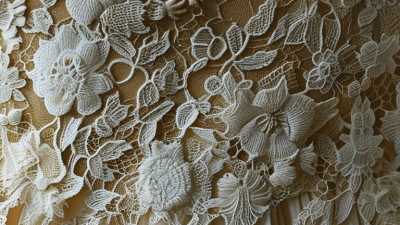
Fleece quality starts with the fabric specification, not the supplier’s catalog image. Ask for the fiber blend, fabric weight, brushing method, and finished width. A 280 GSM fleece feels warmer than a 180 GSM version, but weight alone does not prove durability. Check a washed sample for pilling, shrinkage, spiraling seams, and uneven brushing. I have seen soft fleece lose its surface after only a few cycles.

Textile Exchange reported that global fiber production reached 124 million tonnes in 2023, with polyester remaining the dominant fiber. This scale makes traceability important. Request fiber-origin records, recycled-content evidence, and batch-level production documents. Test colorfastness to washing and rubbing, dimensional stability, seam strength, and pilling under recognized laboratory methods. A supplier should provide recent test reports, not generic certificates from an unrelated fabric batch. Small details matter.

Production controls reveal more than polished presentations. Review knitting tension, dye-lot management, needle detection, final inspection, and carton humidity protection. ISO 9001-based procedures can support consistency, but certification does not replace physical testing. Ask how many inspections occur before shipment and what happens when a roll fails. A realistic supplier will admit occasional defects and show corrective records. Perfect claims deserve a second look. For global orders, approve a sealed reference sample and define tolerances for GSM, shade, width, shrinkage, and pilling before signing the purchase agreement.

10 Best Fleece Clothing Manufacturers for Global Buyers

The 10 Best Fleece Clothing Manufacturers for Global Buyers should be judged by evidence, not attractive catalogs. Experienced buyers examine fabric weight, pile density, pilling resistance, colorfastness, and seam strength. A useful factory shortlist also includes knitting capacity, monthly output, sample timing, and export experience. Textile Exchange’s Materials Market Report 2024 estimates global fiber production reached about 124 million tonnes in 2023. Polyester remained the largest fiber category, so recycled content and supply-chain traceability deserve careful review.

The strongest manufacturers provide test reports, production samples, and clear quality-control procedures. Ask whether inspections cover fabric shrinkage, zipper performance, seam slippage, and washing durability. An independent laboratory can verify results before bulk production. The International Trade Centre’s Trade Map data shows the global importance of textile and clothing trade, but trade volume does not prove factory reliability. Look for documented social audits, worker-safety procedures, and realistic production schedules. Cheap quotations often hide higher costs later.

A practical comparison table helps. Record minimum order quantities, fleece compositions, fabric weights, certifications, payment terms, and defect policies. Request one washed sample. It may reveal unexpected shedding or uneven brushing. That detail matters. Sustainability claims also need scrutiny; “eco-friendly” is not a measurable specification without supporting standards or chain-of-custody records. A ranking can still mislead when factories change subcontractors, equipment, or material suppliers. Recheck critical evidence before each major order.

Comparing MOQ, Pricing, Certifications, and Lead Times

Comparing ten fleece clothing manufacturers requires more than choosing the lowest quotation. MOQ often ranges from 300 to 2,000 pieces per style, while larger orders may unlock better fabric and labor pricing. Ask whether the MOQ applies to each color, size range, or total order. A low price can hide higher sampling, packaging, or freight costs. Request a complete quotation with fabric weight, composition, trims, and payment terms.

Certification details also deserve close inspection. Reliable suppliers should provide current documents for relevant standards, such as recycled-content, chemical-safety, or quality-management certifications. Check the certificate holder, production site, scope, and expiration date. A certificate from a trading office may not cover the factory making your fleece jackets. Lead times commonly include separate periods for sampling, fabric booking, production, and inspection. Build a written timeline, not a hopeful promise.

Tips: Ask for a pre-production sample and measure it beside your approved specification. Confirm colorfastness, pilling resistance, zipper performance, and seam strength. I once focused too heavily on price and underestimated fabric booking delays. That mistake changed my supplier evaluation sheet. Still, forecasts remain imperfect. Weather, material shortages, and approval delays can affect delivery. Keep backup fabric options and place repeat orders before inventory becomes urgent. Detailed records make supplier comparisons more reliable.

10 Best Fleece Clothing Manufacturers for Global Buyers — Comparing MOQ, Pricing, Certifications, and Lead Times

The comparison below uses anonymized manufacturer profiles and indicative industry benchmark ranges for fleece apparel. Prices are typical FOB estimates in USD per piece for standard polyester fleece styles and may vary by fabric weight, trims, decoration, testing, packaging, order volume, and destination. Certification availability should be verified directly before contracting.

Rank Anonymous Manufacturer Profile Typical Product Focus MOQ per Style/Color Indicative FOB Price Common Certification or Compliance Options Sample Lead Time Bulk Lead Time Customization Capability Best Fit for Global Buyers
1 High-Capacity Export Fleece Factory Polar fleece jackets, hoodies, vests, and workwear layers 500–1,000 pieces US$8–18 per piece OEKO-TEX® Standard 100 options BSCI/SMETA audit support REACH documentation 7–12 working days 35–55 days after approval Private labels, woven labels, embroidery, screen printing, custom packaging, and graded sizing Large-volume retail, promotional, and uniform programs
2 Recycled-Fleece Specialist Recycled polyester fleece pullovers, jackets, and outdoor midlayers 300–800 pieces US$10–24 per piece GRS transaction documentation RCS options OEKO-TEX® options 10–15 working days 40–60 days after approval Recycled-content sourcing, custom fabric weights, contrast panels, trims, labels, and packaging Eco-conscious outdoor and lifestyle brands
3 Low-MOQ Private-Label Workshop Fleece sweatshirts, zip-up hoodies, lounge sets, and casual jackets 100–300 pieces US$12–28 per piece Material test reports REACH support Social-audit reports when available 8–14 working days 30–45 days after approval Flexible colorways, small-batch labels, basic embroidery, custom size charts, and sample revisions Startups, online sellers, and test-market launches
4 Technical Outdoor Apparel Manufacturer Grid fleece, bonded fleece, soft-shell hybrids, and performance midlayers 500–1,500 pieces US$18–42 per piece ISO 9001 systems may be available OEKO-TEX® options REACH and physical testing 12–20 working days 50–75 days after approval Bonding, seam reinforcement, technical pockets, waterproof zippers, custom lab dips, and performance testing Outdoor, hiking, ski, and technical apparel programs
5 Workwear and Uniform Fleece Producer Corporate fleece jackets, high-visibility layers, and industrial uniforms 500–2,000 pieces US$11–26 per piece ISO 9001 options REACH documentation EN/ANSI testing support where applicable 10–16 working days 45–65 days after approval Bulk embroidery, reflective tape, reinforced seams, ID pockets, custom uniforms, and repeat-order control Corporate buyers, facilities, logistics, and service businesses
6 Fashion-Focused Fleece Cut-and-Sew Factory Oversized fleece tops, cropped jackets, fashion hoodies, and coordinated sets 200–600 pieces US$13–32 per piece OEKO-TEX® options REACH support Factory social-audit support 10–18 working days 35–55 days after approval Pattern development, garment dyeing, applique, embroidery, custom hardware, and seasonal color development Fashion labels and seasonal capsule collections
7 Large-Scale Basic Fleece Supplier Standard fleece pullovers, blankets, sweatshirts, and promotional apparel 1,000–5,000 pieces US$5–14 per piece Basic product testing REACH documentation Third-party audit options 7–12 working days 30–50 days after approval Standard colors, screen printing, embroidery, logo labels, carton marking, and export packaging Promotional campaigns and high-volume basic apparel
8 Premium Small-Batch Outdoor Studio Premium fleece overshirts, reversible jackets, and insulated layering pieces 100–400 pieces US$22–55 per piece Fabric test reports OEKO-TEX® options Traceability documentation by request 14–22 working days 45–70 days after approval Complex pattern work, premium trims, recycled fabrics, custom hardware, and detailed quality inspection Premium labels and limited technical collections
9 Fast-Replenishment Apparel Factory Core fleece hoodies, jackets, uniforms, and repeat seasonal styles 300–1,000 pieces US$9–22 per piece OEKO-TEX® options REACH documentation In-line quality inspection 7–10 working days 25–40 days after approval Stock-fabric programs, repeat orders, logo application, standard measurements, and replenishment scheduling Distributors and buyers needing short replenishment cycles
10 Integrated Fabric-to-Garment Manufacturer Custom fleece fabric, brushed fleece garments, blankets, and coordinated apparel 800–3,000 pieces US$8–25 per piece GRS/RCS options for eligible materials OEKO-TEX® options REACH documentation 12–18 working days 45–70 days after approval Custom knitting, brushing, anti-pilling finishes, fabric color development, garment production, and packaging Buyers requiring fabric-level control and consistent repeat production

Key Factors for Selecting the Right Fleece Clothing Supplier

Choosing a fleece clothing supplier requires more than comparing catalog prices. Start with fabric performance. Request samples with different weights, such as 200 or 300 GSM, and examine softness, stretch recovery, shedding, and pilling after washing. A warm sample can still disappoint after repeated use.

Ask for documented test results. Check colorfastness, shrinkage, seam strength, and fiber composition through independent laboratories.

If recycled fibers are offered, request traceable certification records, not only a printed claim. Reliable suppliers should explain their testing methods clearly. Vague answers deserve attention.

Production capability matters equally. Review the supplier’s minimum order quantity, sample timeline, monthly capacity, and quality-control process. Ask how inspectors handle uneven stitching, broken zippers, or incorrect measurements. Small details become expensive when thousands of garments arrive. They matter.

I prefer suppliers that share clear factory information and realistic delivery dates. A polished presentation is not proof of dependable production. Visit the facility when possible, or arrange a verified third-party audit. Discuss worker safety, environmental controls, and legal compliance before placing an order.

Communication also reveals expertise. Can the supplier suggest a better fleece structure for outdoor use, children’s garments, or promotional wear? Can they explain why a fabric pills more quickly? I once underestimated response speed during a seasonal order. The product was acceptable, but delayed approvals caused unnecessary pressure. That mistake still influences my supplier checklist.