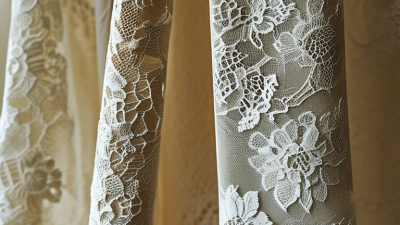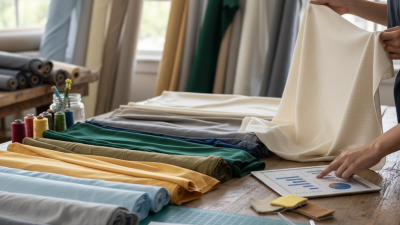
+86 15968093247


When a project calls for several rolls of Lace Fabric, a small sample can hide costly differences. Color may shift between dye lots, while a soft swatch can feel stiff after lining or washing. Bulk buying rewards careful checks. But it also tests assumptions. A visual match can mislead.
Before placing an order, compare fiber content, width, pattern repeat, and usable yardage—not just the price per meter. Ask the supplier how the fabric is packed and whether the rolls come from one production batch. A close-up photo helps, though it cannot replace a physical sample. Check the selvage, embroidery density, and backing under bright light. These details matter. For reorders, keep supplier codes, sample notes, and approved shade references together; memory is unreliable.
Leave room for cutting waste, defects, and design changes. A floral lace with a 12-centimeter repeat may require more fabric than a plain mesh. Confirm lead times, minimum order quantities, payment terms, and the process for reporting damage in writing. If a quote seems unusually low, ask what it excludes, such as freight or custom dyeing. Then test the sample with the intended lining, needle, and stitch settings. That step is easy to skip. A beautiful lace can behave differently once sewn, and even a careful checklist may miss something. The tips ahead focus on practical checks that make a bulk purchase easier to assess before you commit.
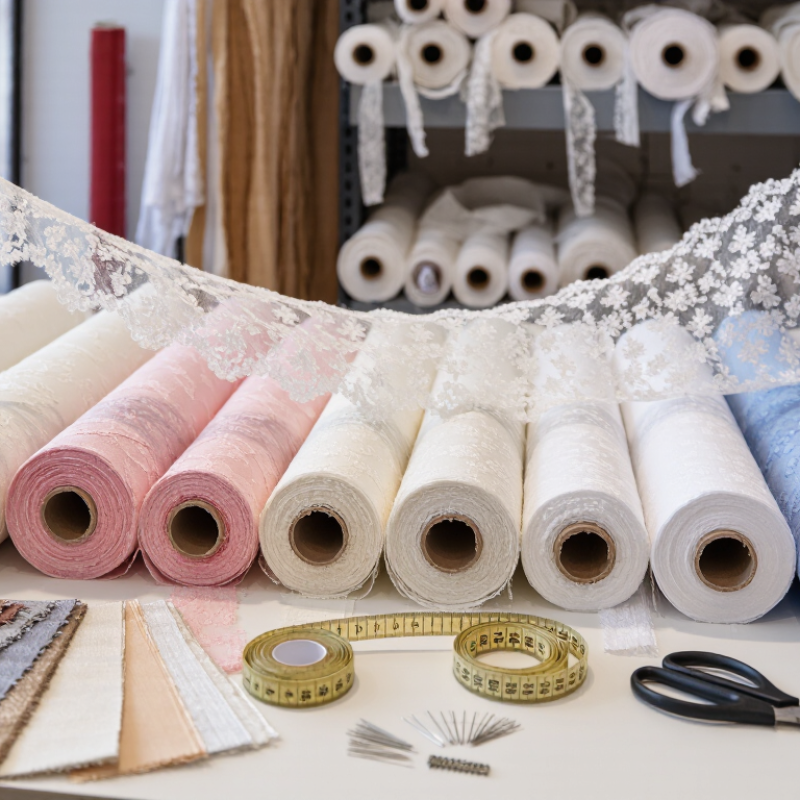
Before ordering lace in bulk, define the finished item, size, and construction. A sheer sleeve, lined bodice, and gathered skirt consume very different amounts. Measure the pattern pieces, then check the lace’s usable width, repeat, and direction. Scalloped edges may need to stay visible, while a large motif can require careful matching. Both affect yield.
Estimate consumption from the actual layout, not the nominal roll width. Lay pattern pieces on paper or use a digital marker, allowing room for seams, hems, and motif alignment. Then add a contingency based on the design’s complexity and your sampling needs. For a simple, non-matching trim, the allowance may be modest; repeating motifs or irregular scallops can require more. Textile Exchange’s Materials Market Report 2024 estimates global fiber production reached 124 million tonnes in 2023. That figure is not lace-specific, but it highlights the scale and variety of textile inputs behind fabric supply.
Order a sample first. Measure its width and repeat, wash or steam it as planned, and check whether it shrinks, stretches, or distorts. That estimate is never perfect. Record the sample’s usable area and your marker layout before confirming yardage. If the supplier’s roll width varies, ask for the minimum usable width in writing and base the order on that figure—not the most optimistic measurement.
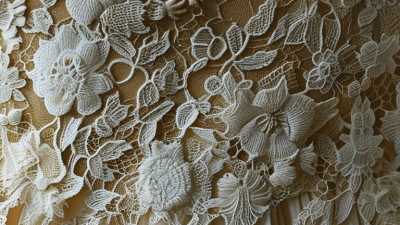
Before buying lace in bulk, compare construction, not just appearance. Chantilly lace usually has fine netting and delicate motifs, while guipure connects heavier motifs with bars and little or no net. Raschel lace is knitted, so its stretch and recovery can differ from woven styles. Feel the difference. Order swatches of each type and check them against your garment’s weight and intended use.
Fiber affects comfort, drape, care, and cost. Cotton lace can feel breathable but may shrink; polyester often holds its shape, while nylon can add strength and flexibility. These are tendencies, not guarantees. Ask for fiber content and care details, then wash a sample as you plan to wash the finished item. I would not rely on a photo alone.
Inspect the pattern repeat, motif scale, edge finish, and usable width. A large repeat may create waste when pieces must match, and a narrow usable width can change your cutting plan. Check weight in grams per square metre, stretch direction, roll length, and shade consistency across dye lots. Get specifications in writing and approve a production sample. One thing is easy to miss: a small swatch may not reveal how the full pattern looks across a wide panel.
When buying lace fabric in bulk, verify the supplier before comparing headline prices. Request a recent production sample, business references, and written details on lead time, quality checks, and replacement terms. Ask whether the sample comes from the same mill and construction as the bulk order. A delicate floral lace may look consistent on a swatch, yet vary in stretch, color, or motif placement across rolls. Check the selvage and inspect several meters under daylight. Small differences matter.
Minimum order quantities can apply per color, design, or dye lot, so get the rule in writing. Textile Exchange’s Materials Market Report 2024 estimates that global fiber production reached 124 million tonnes in 2023. That scale does not guarantee consistent lace; it makes traceable specifications and lot control more important. Compare quotes using the same width, fiber content, finish, and usable yield. Include shipping, sampling, duties where applicable, and possible cutting waste. Cheap per-meter pricing can mislead.
Ask for tiered prices at realistic order volumes, then calculate the total landed cost. Confirm whether bulk pricing depends on full-roll purchases or advance payment. Get tolerance limits for color variation, width, and defects, even if the supplier hesitates to promise perfection. I would keep a small buffer for cutting loss, but not assume every extra meter is usable. A clear quote and a documented pre-shipment inspection are worth more than a vague discount.
Before committing to a bulk order, request a sample cut from the actual fabric you plan to buy. A small swatch can reveal whether the lace feels soft, scratchy, stiff, or too delicate for your project. Check the motif size, mesh spacing, edge finish, and color in daylight and under indoor lighting. Small details matter. Compare the sample with your design, lining, and thread; a cream lace may look yellow beside a bright-white lining.
Ask for the fabric’s usable width, fiber content, and weight, then verify these details against the sample. Stretch it gently, inspect the embroidered areas, and sew a short test seam. If the lace will be washed, test a spare piece using your intended care method. Note any shrinkage, color transfer, or curling edges. Keep one approved swatch for comparison when the order arrives. A sample is not a guarantee that every roll will match perfectly, and I’d be cautious about assuming it is. Ask whether production fabric comes from the same dye lot, and confirm how color variation is handled. Even careful checks can miss a flaw, so record your questions and the supplier’s answers before ordering.
Suggested allocation of sample-inspection attention, not measured industry data. Request physical samples and check fiber content, color consistency, pattern and usable width, visible defects, and wash performance before approving a bulk order.
Before placing a bulk lace order, get shipping details in writing. Ask whether the quoted cost includes freight, handling, and any delivery surcharges. Clarify how the fabric will be packed. Delicate lace can snag or crease if rolls shift during transit. Request an estimated dispatch date and delivery window, not just “ships soon.” Timing matters. If your project depends on matching dye lots, confirm that the full quantity will ship together. Split shipments can arrive with slight shade differences, even when the product description is identical.
Lead times may change when fabric needs special cutting, finishing, or restocking. Ask what could delay production and when the supplier will notify you. Build in a few extra days before cutting begins. A tight schedule is tempting, but one late parcel can leave a workroom idle. I would not treat an estimate as a guarantee; suppliers may not control every carrier delay. Still, clear updates make planning less guesswork.
Read the return terms before paying. Check whether you can return unused rolls, who pays return freight, and how quickly you must report damage or shortages. Ask what evidence is needed, such as photos of the packaging and fabric edge. Keep the invoice and order confirmation. If the terms exclude cut or opened fabric, order a small sample first when possible. That extra step can feel fussy, but bulk mistakes are expensive. Ensure the written terms match any promises made during sales discussions.
| Tip | What to Check | Useful Details to Confirm | Before You Place the Order |
|---|---|---|---|
| 1. Request a sample | Color, pattern, hand feel, stretch, and construction | Ask for a physical swatch and, where relevant, a sample in the intended color and finish. Screen colors may not match fabric accurately. | Approve the sample in writing and keep a labeled reference for comparison with the bulk shipment. |
| 2. Verify specifications | Fiber content, width, weight, color, and usable length | Confirm the stated unit of measure, measurement tolerances, selvage or scalloped-edge details, and whether the quoted width is usable width. | Put specifications and acceptable tolerances on the order document. |
| 3. Check stock and lead time | Available quantity and production schedule | Separate in-stock fabric from made-to-order fabric. Production time varies by supplier, quantity, and finishing requirements; ask for a dated estimate rather than assuming a standard turnaround. | Confirm when production starts, the estimated completion date, and how delays will be communicated. |
| 4. Confirm shipping details | Dispatch date, transit estimate, cost, and delivery responsibility | Transit time depends on origin, destination, service, customs, and carrier conditions. Ask whether freight, duties, taxes, and insurance are included or billed separately. | Get the shipping method, destination terms, tracking arrangements, and a written estimate of total landed costs. |
| 5. Read return and claim terms | Returns, defects, shortages, and claim deadlines | Bulk and cut-to-order fabric may be nonreturnable. Policies differ, so check eligibility, restocking fees, return shipping responsibility, and the procedure for reporting defects or short shipments. | Ask how many days you have to inspect the goods and what photos or documents are required for a claim. |
| 6. Calculate quantity and minimums | Minimum order quantity, roll length, and cutting allowance | Minimums and roll lengths vary by supplier and fabric. Lace patterns may need matching, and cutting or defect allowances can affect the amount required. | Confirm the quantity per roll and calculate required yardage or meterage with your maker or production team. |
| 7. Document payment and inspection | Payment schedule, packaging, and incoming quality checks | Clarify payment milestones and accepted methods. Agree how rolls will be labeled and protected, then inspect quantity, shade consistency, visible damage, and specifications promptly on arrival. | Keep the invoice, approved sample, specifications, shipping records, and inspection notes together. |
Note: Minimums, lead times, shipping charges, and return rights are supplier- and order-specific. Confirm all terms in writing before payment.