inquiry
Leave Your Message

How to Find Top Graphic Tees Suppliers in China?

Finding reliable Graphic Tees suppliers in China requires more than searching a marketplace and comparing prices. A polished catalog can hide inconsistent sizing, weak fabric, or delayed production. The real test begins with questions, samples, and documented evidence. Buyers should inspect cotton composition, fabric weight, shrinkage, stitching, print clarity, and label quality. Small details matter.

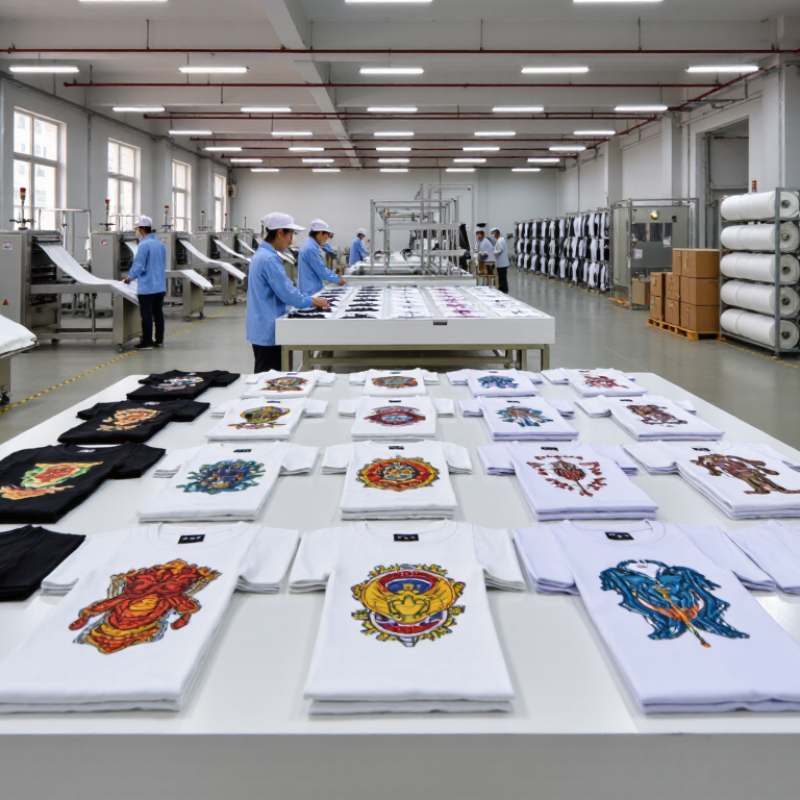
A capable supplier should explain production methods clearly, including screen printing, DTG, embroidery, and heat transfer. Ask for recent product photos, factory information, quality procedures, and relevant certifications. Independent audits can add confidence, but certificates should be checked for scope and validity. Communication also reveals much. Clear answers, realistic lead times, and written specifications are stronger signals than enthusiastic sales language.

Cost still matters, but the cheapest quote may become expensive after reprints, freight changes, or rejected goods. Request a sample before placing a bulk order. Confirm minimum order quantities, packaging, payment terms, inspection stages, and acceptable defect limits. Protect original artwork with proper ownership documentation and use only lawful designs. Regional production strengths can help, yet supplier performance varies widely. That is easy to overlook. A careful sourcing process should remain flexible and skeptical. Even a promising factory may need closer supervision during peak seasons. This guide offers a practical path for comparing Chinese suppliers, reducing avoidable risks, and building a dependable Graphic Tees supply chain.
How to Find Top Graphic Tees Suppliers in China?

Define Your Graphic Tee Requirements and Supplier Criteria

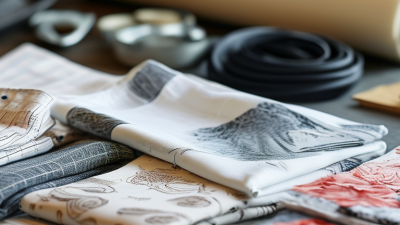
Before contacting Chinese graphic tee suppliers, define the product in measurable terms. Specify fabric weight, fiber content, fit, size range, base colors, and artwork dimensions. State whether you need screen printing, embroidery, or direct-to-garment printing. Include expected order quantities and target delivery windows. A supplier cannot price an unclear product accurately. In my experience, a simple specification sheet prevents costly revisions later. Add tolerances for measurements, print placement, color variation, and shrinkage. These details may feel excessive, but they protect both sides.

Supplier criteria should match your actual project, not an imagined one. Check production capacity, minimum order quantity, sample procedures, quality inspection methods, and communication speed. Ask for recent, relevant samples rather than attractive factory photographs. Request material test reports when fabric performance matters. Verify whether the supplier can manage packaging, labeling, and export documentation legally. A capable supplier should explain limitations clearly. That matters. Do not select only by the lowest quotation. A cheaper tee may have uneven seams, weak print adhesion, or inconsistent sizing. I have found that a written approval sample creates stronger accountability, although it cannot replace final inspections.

Tips: Prepare one visual tech pack, one measurement chart, and one artwork file. Compare at least three qualified suppliers. Ask the same questions. Record every answer. Leave room for mistakes, because early assumptions are often wrong. Recheck colors under natural light. Allow extra time for revisions. Be willing to change your design when the production evidence disagrees.
Research China’s Main Graphic Tee Manufacturing Regions

China’s graphic tee suppliers are not concentrated in one city. Each manufacturing region has a different strength, price structure, and production rhythm. Guangdong, especially Guangzhou and Dongguan, is a practical starting point for fashion-led collections. Factories there often handle cutting, sewing, screen printing, embroidery, and labeling under one roof. This can shorten sampling time. However, crowded production schedules may reduce attention for small orders.

Zhejiang, including Ningbo and nearby textile centers, is useful for buyers comparing fabric options and flexible quantities. The region has strong access to cotton, blended jersey, and accessory suppliers. Yiwu is valuable for sourcing connections, but a trading office is not always a factory. Check the production address carefully. Jiangsu, especially Nantong, is known for textile production and can suit larger, consistent orders. Fujian’s Quanzhou area is another option for cotton knitwear and sports-inspired garments, although design flexibility may vary by factory.

During research, request a 180–240 GSM fabric sample, a close-up of the collar rib, and a wash-test report. Check whether the print cracks after repeated washing. Ask for production photos, quality-control procedures, material composition, and relevant compliance documents. A low quotation can hide weaker fabric or rushed finishing. That lesson is easy to miss. I would not choose a supplier based on location alone. Compare samples, communication speed, audit evidence, and realistic lead times before approving bulk production.

How to Find Top Graphic Tees Suppliers in China? - Research China’s Main Graphic Tee Manufacturing Regions

Regional sourcing guide for blank and decorated graphic T-shirts, based on established textile, apparel, printing, transportation, and export infrastructure in China.

Manufacturing Region Main Apparel Cities Regional Manufacturing Strength Graphic Tee Capabilities Common Fabric Options Logistics Advantages Best Suited For Sourcing Considerations Overall Fit for Graphic Tees
Guangdong Guangzhou, Dongguan, Shenzhen One of China’s strongest apparel and export manufacturing clusters, supported by dense supplier networks for fabric, trims, cutting, sewing, finishing, and packaging. Screen printing, digital direct-to-garment printing, heat transfer, embroidery, discharge effects, puff effects, garment dyeing, washing, and small-batch sampling. Cotton jersey, combed cotton, cotton-polyester blends, heavyweight jersey, French terry, rib knit, and recycled polyester blends. Close to major South China container gateways, international airports, express services, and a large network of freight forwarders. Fashion collections, trend-sensitive graphics, fast sampling, multi-style orders, and buyers needing integrated production services. Pricing can be higher than inland locations for labor-intensive products. Confirm print durability, colorfastness, and fabric weight before bulk production. Excellent
Zhejiang Ningbo, Yiwu, Shaoxing, Hangzhou Strong textile, knitted-fabric, garment, accessories, and trading infrastructure. Shaoxing is particularly important for textile production and fabric sourcing. Screen printing, sublimation on polyester, heat transfer, embroidery, digital printing, all-over printing, and coordinated fabric-and-garment development. Combed cotton, organic cotton, polyester, cotton blends, recycled polyester, performance jersey, and printed knit fabrics. Strong access to Ningbo-Zhoushan port, extensive domestic trucking, and established export logistics for small and medium-sized buyers. Private-label collections, promotional apparel, sports-inspired graphic tees, broad fabric selection, and mixed product sourcing. Supplier capabilities vary between textile mills, trading companies, and garment factories. Verify whether printing is performed in-house or subcontracted. Excellent
Jiangsu Nantong, Suzhou, Wuxi, Nanjing Well-developed textile and apparel manufacturing base with strong quality-control systems and experience in knitted garments and fabric production. Screen printing, digital printing, embroidery, heat transfer, garment washing, cut-and-sew production, and structured quality inspection. Combed cotton, compact cotton, cotton-modal blends, cotton-polyester jersey, heavyweight jersey, and technical fabrics. Good connectivity to Shanghai-area ports, domestic transport networks, and industrial supply chains in the Yangtze River Delta. Mid-to-premium graphic tees, consistent repeat orders, quality-focused programs, and larger production runs. Some factories prioritize established volume programs. Ask about minimum order quantities, sampling lead times, and production-line availability. Very Strong
Fujian Quanzhou, Xiamen, Fuzhou Major sportswear, casualwear, footwear, and knitted-garment area with strong experience in performance apparel and export manufacturing. Sublimation, screen printing, heat transfer, reflective printing, silicone printing, embroidery, moisture-management finishing, and sports graphic applications. Polyester interlock, dry-fit polyester, cotton jersey, cotton-polyester blends, spandex blends, and recycled performance fabrics. Access to Xiamen port and regional export infrastructure, with established transportation links to Southeast Asian and global markets. Sports graphics, activewear-inspired tees, event apparel, teamwear-style products, and performance-focused garments. Technical fabrics and specialty finishes require detailed testing. Confirm shrinkage, print stretch, wash performance, and color migration. Very Strong
Shandong Qingdao, Jinan, Weifang, Zibo Established textile, cotton, knitting, and garment industries with competitive production costs and experience in basic and export-oriented apparel. Screen printing, heat transfer, embroidery, pigment printing, garment washing, basic cut-and-sew production, and repeat-style manufacturing. Cotton jersey, cotton-polyester blends, carded cotton, combed cotton, fleece, and medium-weight knitted fabrics. Qingdao port supports container exports, while inland transportation connects the region with North and East China distribution routes. Basic graphic tees, promotional orders, uniform programs, repeat designs, and cost-sensitive medium-to-large quantities. Design development and specialty printing may be less integrated than in the largest southern clusters. Request production samples and a detailed process sheet. Strong
Hebei and Beijing-Tianjin Area Tianjin, Shijiazhuang, Baoding Important northern textile and garment manufacturing area with established cotton, knitted-fabric, and basic apparel production capabilities. Screen printing, heat transfer, embroidery, basic digital printing, garment dyeing, and standard cut-and-sew services. Cotton jersey, polyester blends, fleece, thermal fabrics, and standard knitted materials. Access to Tianjin port and northern distribution networks, with convenient domestic shipping to North China markets. Basic cotton tees, promotional merchandise, uniform projects, repeat orders, and buyers serving northern China or nearby markets. Compare sample quality carefully because factory specialization differs widely. Confirm fabric sourcing, print-house capacity, and export documentation. Good

Practical selection tip: Shortlist suppliers by matching the region to your product needs, then verify fabric composition, GSM, shrinkage, colorfastness, print adhesion, wash durability, production capacity, inspection procedures, and export documentation through approved samples before placing a bulk order.

Evaluate Supplier Capabilities, Quality, and Customization Options

How to Find Top Graphic Tees Suppliers in China?

A capable supplier should show more than attractive sample photos. Request factory videos, production records, and recent third-party audit reports. Review cutting, printing, sewing, and packing separately. The Fashion Transparency Index 2023 reported an average transparency score of only 26% across 250 fashion companies. Traceability remains weak. Ask for fabric mill details and subcontractor disclosure before placing a large order.

Quality needs measurable controls. Specify fabric weight, shrinkage limits, seam tolerance, print adhesion, and colorfastness. ISO 2859-1 can guide sampling plans, while ISO 105-C06 supports colorfastness testing. Request pre-production samples and wash-test results. Check the neck label, shoulder tape, hem alignment, and print edges by hand. Small defects become expensive at scale. I once treated a clean sample as proof of stable production. That assumption was wrong.

Customization also reveals real capability. Confirm whether the supplier handles screen printing, digital printing, embroidery, oversized cuts, and specialty fabrics in-house. The Textile Exchange Materials Market Report 2024 estimated global fiber production at 124 million tonnes in 2023, with growth expected toward 160 million tonnes by 2030. Material claims therefore need evidence, not marketing language. Ask for fiber certificates, test reports, color references, and a written revision process. A supplier that welcomes controlled corrections is often more reliable than one promising everything immediately.

Verify Samples, Certifications, Pricing, and Production Terms

China remains a major apparel sourcing center. WTO’s World Trade Statistical Review 2023 reported China held about 31% of global textile exports in 2022. That scale creates choice, but not every supplier fits graphic tee production.

Request three physical samples. Check fabric weight, print sharpness, collar recovery, shrinkage, and wash performance. Photograph defects under clear lighting.

Certifications need careful verification. Ask for current certificates, scope, factory address, and issuing-body details. OEKO-TEX Standard 100 can support chemical-safety claims, while GRS may verify recycled content and chain of custody.

Textile Exchange’s Materials Market Report 2024 noted polyester represented roughly 59% of global fiber production in 2023. Therefore, confirm fiber percentages through test reports, not supplier descriptions.

My own mistake was accepting a recycled-content claim without checking the certificate’s product scope.

Tips:

Compare prices using the same specifications. Include fabric weight, artwork size, print method, packaging, and shipping terms. Ask for a formal quotation with MOQ, sample fees, production lead time, payment stages, and defect tolerance.

Incoterms should be written clearly. A low unit price may exclude testing, packaging, or export charges. Request a pre-production sample before bulk cutting.

SGS and Intertek industry reports repeatedly emphasize documented testing and traceability, but paperwork alone cannot replace factory observation. If possible, arrange a video audit or independent inspection.

Keep every revision in writing. Small omissions become expensive.

Select a Reliable Supplier and Manage the First Order

Finding top graphic tee suppliers in China starts with evidence, not attractive product photos. I usually compare at least three factories and ask for recent sample details, fabric composition, print method, and monthly capacity. A dependable supplier answers clearly and admits limitations. Request a video call, inspect the sewing area, and confirm whether production happens in-house. Check certifications, test reports, colorfastness results, and worker safety practices. These details reveal more than a polished catalog.

A first order should be controlled and measurable. Send a clear specification sheet with fabric weight, measurements, artwork placement, label details, packaging, and acceptable tolerances. Approve a physical sample before production, then confirm every change in writing. Keep the initial quantity manageable. In one sourcing project, the approved sample looked excellent, but the bulk print shifted slightly near the shoulder. The problem was preventable. We had not marked the placement tolerance precisely enough. Use an independent inspection before shipment, and connect payment milestones to completed checks. Never rely only on promises.

Tips: Ask for a pre-production sample and a mid-production update. Compare measurements from several shirts, not one piece. Confirm lead times around public holidays. Keep messages organized in one written thread. A reliable supplier should welcome reasonable questions, although communication may still be imperfect. Leave room for correction. That is part of responsible sourcing.