+86 15968093247


Choosing the right Lace Fabric can shape your brand’s quality, margins, and customer loyalty. It is not only about appearance. Weight, fiber content, stretch, durability, and production consistency matter equally. A delicate floral lace may look beautiful under showroom lights, yet tear during cutting or lose its form after washing. Small tests prevent expensive mistakes.
Coco Chanel, whose designs made lace a lasting symbol of refinement, once said, “Lace is one of the most beautiful imitations of nature.” Her observation still matters. Good lace should feel natural against the skin and support the product’s purpose. Lingerie may need soft nylon or stretch lace. Bridal garments often require detailed motifs, stable edges, and reliable color matching. Home textiles demand stronger construction and better resistance to repeated cleaning.
Experienced buyers should request swatches, technical specifications, and recent batch samples. Check the reverse side, selvedge quality, thread tension, and motif spacing. Rub the fabric gently. Then wash it according to the intended care label. Results can be surprising. A supplier’s sample may perform differently from bulk production, so written quality standards are essential. Ask about fiber origin, dyeing processes, lead times, and replacement policies. Certifications can support trust, but they should not replace physical inspection. I have seen attractive fabrics create waste when buyers ignored shrinkage. That mistake is easy to repeat. Your final choice should balance visual appeal, performance, price, and responsible sourcing. The “best” Lace Fabric is rarely the cheapest or most luxurious option. It is the material that performs consistently for your customers and your production process.
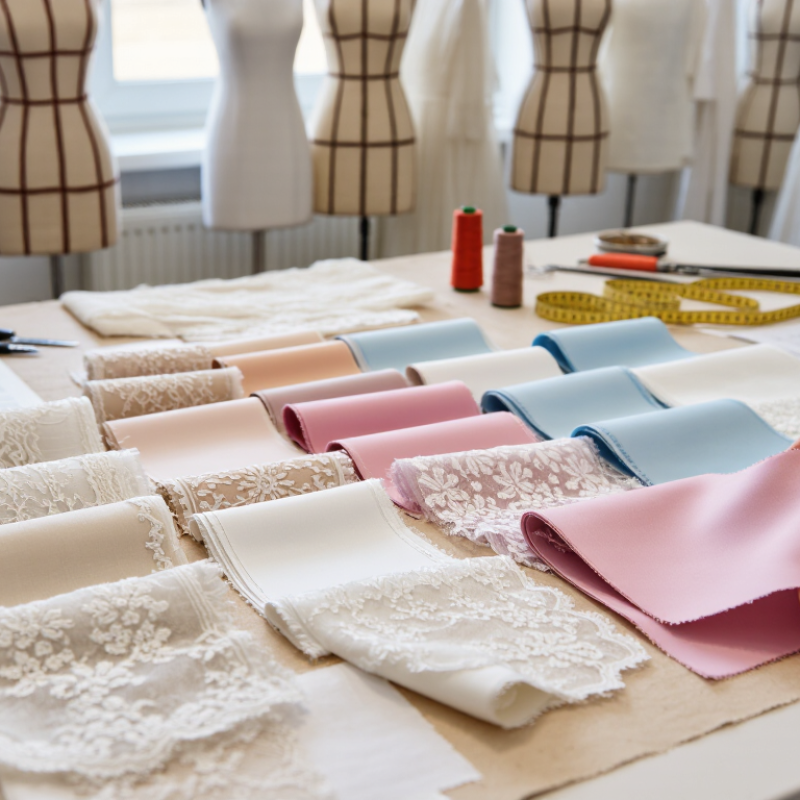
Before comparing lace patterns, define how your business will use the fabric. An evening-gown studio may need delicate, wide lace with a soft drape. A lingerie maker may prioritize stretch, recovery, and smooth edges. Home décor orders often require stronger structure and stable color. Write these needs down before requesting samples. Otherwise, attractive details can distract you.
Specify the technical requirements clearly. Check fiber content, fabric width, weight, stretch percentage, and edge finishing. Ask whether the lace can withstand steaming, washing, or repeated handling. Examine a sample under bright light. Look for uneven motifs, loose threads, rough backing, and irregular holes. Test a small cut for colorfastness and seam behavior. These simple checks reveal more than photographs.
Your buying plan also matters. Confirm minimum order quantities, production lead times, repeat-stock reliability, and acceptable defect levels. A low price may become expensive when rolls arrive with unusable sections. Request the same sample quality expected in bulk production. I once underestimated shade variation between small batches, and it affected the final collection. That mistake still influences how I approve materials. Keep written test results and supplier answers together. You may need them later. Dressmakers should also test the lace with their actual lining, thread, and sewing equipment. A fabric that performs well alone can pucker during assembly. Some requirements will change after testing, and that is normal.
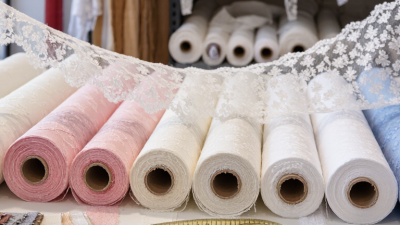
Choosing lace fabric starts with identifying its structure, not its appearance alone.
Chantilly lace has fine motifs and a soft drape, making it suitable for bridal veils, lingerie, and delicate overlays. Guipure lace uses heavier connected motifs without a net background. It works well on jackets, structured dresses, and decorative panels. Corded lace adds raised yarn details, creating visible texture for eveningwear and statement sleeves. Stretch lace contains elastic fibers, so it suits dancewear, fitted lingerie, and close-fitting garments. Check recovery after stretching. A fabric that remains loose may cause costly fit problems. I have learned this through sampling: a beautiful lace can fail when seams carry too much tension.
For breathable summer clothing, cotton lace or open mesh lace can perform better than dense synthetic designs.
Use cotton versions for blouses, children’s clothing, and lightweight home accents, but test shrinkage before cutting. Embroidered mesh offers visual richness with less bulk, which helps on cocktail dresses, scarves, and layered tops. Consider the end use carefully. Rough edges may irritate skin, while fragile motifs can snag during washing. Review fiber content, backing, colorfastness, and care instructions with your supplier. Small samples reveal more than photographs. My early assumption was that heavier lace always looked more premium; in practice, it sometimes overwhelmed the garment. That judgment still needs reconsideration for winter collections and structured tailoring.
Choosing lace fabric for a business requires more than attractive patterns. Fabric quality affects product value, customer satisfaction, and production consistency. During sampling, inspect the lace under bright, natural light. Check whether the mesh feels even and the motifs remain clear across the full width. A 3 mm difference between sample and bulk fabric can affect garment alignment.
Design should support the product, not overpower it. Consider motif scale, transparency, stretch, and edge finishing. A delicate floral pattern may suit bridalwear, while geometric lace can work better for structured garments. I once approved a beautiful lace without checking its repeat size. That mistake created unnecessary cutting waste. Design judgment needs production awareness.
Durability testing reveals problems that photographs cannot show. Rub a hidden area, stretch the fabric repeatedly, and examine loose threads afterward. Test colorfastness with a damp white cloth, especially for dark or vivid shades. Care requirements also matter. Some lace tolerates gentle machine washing, while embellished or high-stretch lace may require hand washing and air drying. Request fiber content, shrinkage data, and care recommendations from the supplier. Then compare them with your own test results. Trust, but verify. A fabric may pass one test and still disappoint after repeated use. My testing is not perfect, either, so I record failures and adjust the process before placing larger orders.
| Lace Fabric Type | Typical Fiber Content | Quality and Appearance Indicators | Design Versatility | Durability for Regular Use | Recommended Care | Best Business Applications | Main Considerations |
|---|---|---|---|---|---|---|---|
| Cotton Lace | Usually 100% cotton or cotton blended with synthetic fibers. | Look for even stitching, clean openwork, a stable edge, and a soft hand. Natural cotton has a matte appearance and good breathability. | Very Good | Good | Follow the care label. Gentle machine washing or hand washing is commonly suitable. Avoid high heat because cotton can shrink and may require ironing. | Apparel, children's clothing, home textiles, lightweight accessories, and breathable summer products. | Can wrinkle, shrink, or lose shape if washed or dried at high temperatures. |
| Polyester Lace | Usually 100% polyester or a polyester blend. | Check for consistent pattern definition, secure edges, even color, and resistance to snagging. It generally has good shape retention. | Excellent | Excellent | Machine wash on a gentle cycle with mild detergent. Use low heat or air dry. Avoid excessive heat from irons and dryers. | Bridalwear, lingerie, costumes, curtains, trims, uniforms, and products requiring frequent cleaning. | Less breathable than many natural fibers and may develop static or retain odors depending on construction. |
| Nylon Lace | Usually 100% nylon or nylon blended with elastane. | Look for smooth yarns, resilient stretch, uniform recovery, and a pattern that remains clear after gentle handling. | Excellent | Very Good | Use cool water and a gentle cycle or hand wash. Keep away from high heat, which can affect elasticity and fabric shape. | Lingerie, dancewear, hosiery details, stretch garments, appliqués, and lightweight fashion accessories. | Can be sensitive to heat and may snag on sharp surfaces or rough hardware. |
| Rayon or Viscose Lace | Regenerated cellulose fibers, commonly labeled rayon or viscose. | Usually offers a soft, fluid drape and a subtle sheen. Check carefully for weak seams, uneven loops, and distortion when wet. | Very Good | Moderate | Dry cleaning or gentle hand washing may be recommended. Avoid wringing, soaking for long periods, and high heat because wet strength can be reduced. | Eveningwear, decorative overlays, scarves, soft furnishings, and products focused on drape and a luxurious hand. | May weaken, shrink, or lose shape when wet; always test a sample before bulk production. |
| Silk Lace | Usually silk, sometimes combined with other fibers for stability. | High-quality silk lace has a smooth hand, refined luster, delicate motifs, and well-finished edges without excessive slubs or loose threads. | Excellent | Delicate | Professional dry cleaning is often the safest option. Protect from abrasion, strong detergents, prolonged sunlight, and direct high heat. | Luxury bridalwear, couture garments, premium lingerie, formal accessories, and limited-edition products. | Higher cost and greater sensitivity to abrasion, perspiration, water, and improper cleaning. |
| Stretch Lace | Commonly nylon or polyester blended with elastane, also called spandex. | Evaluate stretch percentage, recovery after stretching, elastic width, motif alignment, and whether the base fabric remains stable during sewing. | Excellent | Good | Wash gently in cool water and avoid chlorine bleach and high heat. Store away from excessive sunlight and heat to help preserve elasticity. | Lingerie, activewear details, fitted garments, dancewear, swimwear accents, and body-contouring apparel. | Elasticity can decline over time through heat, chemicals, repeated tension, and prolonged exposure to sunlight. |
Ratings are general purchasing guidelines based on typical fiber behavior and lace construction. Actual performance depends on yarn quality, fabric weight, finishing treatments, pattern density, dyeing, sewing methods, and the manufacturer’s care instructions. Always request a sample and conduct wash, stretch, colorfastness, and abrasion tests before placing a bulk order.
How to Choose the Best Lace Fabric for Your Business?
A reliable supplier should provide clear specifications, not attractive photos alone. Request samples showing fiber content, fabric width, stretch, weight, and edge finishing. Check whether the sample matches the production lot. Ask about lead times, inspection procedures, and quality documents. A professional supplier answers directly and records each detail. Vague replies create expensive surprises later.
Compare pricing by calculating the full landed cost. Include sample fees, dyeing charges, packaging, freight, and possible customs costs. A lower meter price may hide a higher minimum order. Ask for tiered quotes at 50, 200, and 1,000 meters. This reveals whether larger orders truly improve your margin. Small orders help test demand. They can also cost more per unit.
Customization may include color matching, pattern adjustments, fabric width, and scalloped edges. Confirm the minimum order for each change. Request a physical approval sample before bulk production. Keep the approved sample beside the incoming shipment during inspection. I once focused too heavily on price and ignored reorder consistency. That assumption failed. The second batch had a slightly different shade. Build tolerance limits into your purchase agreement, even when the fabric looks simple. A supplier’s ability to repeat quality matters more than a perfect first sample.
Compare indicative wholesale pricing, minimum order quantities, and customization options across common supplier models.
| Supplier model | Typical price | Typical MOQ | Customization | Typical lead time |
|---|---|---|---|---|
| Stock wholesaler | US$1.80/m | 50 m | Limited colors and widths | 3–7 business days |
| Small-batch specialist | US$3.20/m | 100 m | Custom colors and selected patterns | 10–15 business days |
| Factory-direct supplier | US$1.10/m | 500 m | Custom pattern, color, width, and finish | 25–35 business days |
Factory-direct sourcing generally offers the lowest unit price and the broadest customization, but it requires a higher MOQ and longer production schedule. Stock wholesalers are better suited to testing demand or replenishing small quantities quickly. Actual quotations vary by fiber content, lace construction, width, finish, color, shipping terms, and order volume.
Testing fabric samples is essential before making a final purchasing decision. A lace design may look elegant online but feel rough in hand. Request several swatches with different weights, patterns, and fiber blends. Examine them under daylight and warm indoor lighting. Color can change noticeably between both conditions.
Test each sample as your customers will use it. Stretch the lace repeatedly and inspect the edges for distortion. Wash a small piece according to the intended care instructions. Measure shrinkage afterward. Check whether the fabric curls, frays, loses color, or develops broken threads. A sample can still mislead you. Production batches may vary slightly, so ask about acceptable tolerances and quality inspection procedures. Keep dated samples and written test results for comparison.
Tips:
Place samples beside your lining, thread, or trim. Confirm that textures work together. Test sewing with a standard needle and suitable tension. Record the machine settings. Small differences matter. Ask for technical details, including composition, width, weight, and colorfastness information. If the lace will touch skin, assess softness and possible irritation carefully. Do not choose only by the lowest price; replacement costs and customer complaints can quickly outweigh initial savings. Recheck samples after storage, because some delicate fabrics may crease or weaken over time.