 +86 15968093247
Leave Your Message
-
CONTACT WhatsApp
-
 CONTACT NUMBER
 -
 CONTACT e-mail
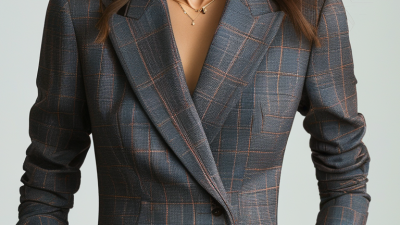
For global buyers, Blazer Sets are more than coordinated jackets and trousers. They are practical tools for building a reliable wardrobe offer. A well-designed set can move from a Monday meeting to an evening reception with minor styling changes. That flexibility matters when buyers serve different climates, body shapes, and workplace cultures.
Giorgio Armani, a leading authority in modern tailoring, once said, “The difference between style and fashion is quality.” His observation remains relevant to international sourcing. Buyers must examine fabric recovery, seam strength, lining comfort, button security, and size consistency. Small details matter. A loose thread can damage trust. A poorly graded sleeve can increase returns. Blazer Sets with stable measurements also simplify inventory planning across markets.
Experience shows that visual appeal alone is not enough. Wholesale buyers need clear composition labels, dependable production records, and practical packaging that protects sharp lapels during transport. Climate should also influence selection. Lightweight blends may suit humid cities, while wool-rich fabrics can perform better in cooler regions. Yet no blazer set is perfect. A fabric that feels luxurious may wrinkle easily. A structured shoulder may look powerful but restrict movement. Buyers sometimes overlook these compromises.
This article explores why Blazer Sets remain essential for global buyers. It considers design versatility, supplier reliability, cost control, and customer expectations. The discussion also questions common assumptions. A polished sample is only the beginning. Real value appears after repeated wear, washing, shipping, and honest customer feedback.
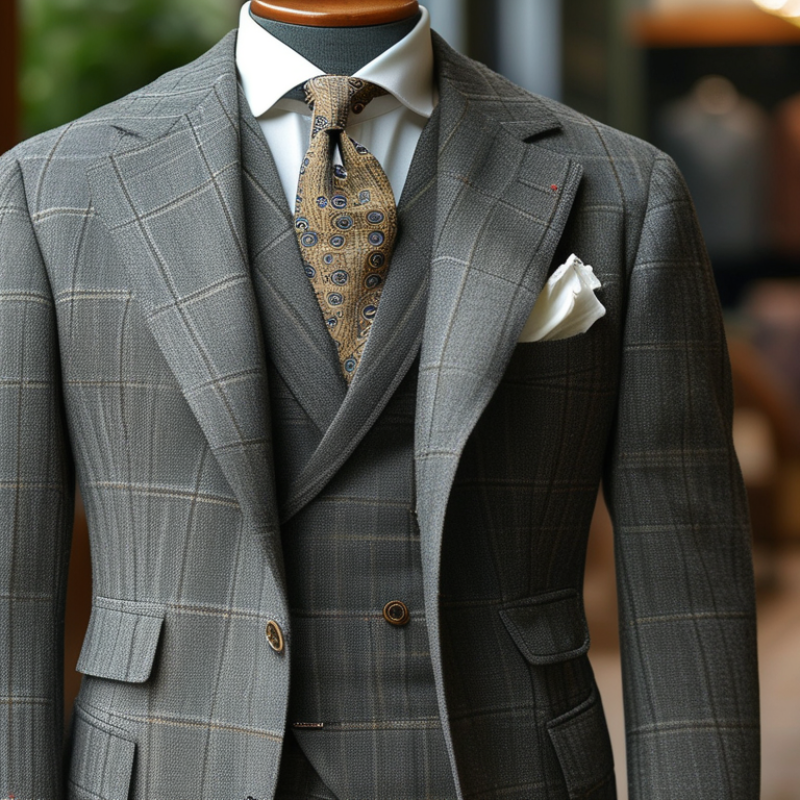
A blazer set usually includes a tailored blazer paired with matching trousers or a skirt. The pieces share fabric, color, lining, and design details. This coordination creates a complete outfit without requiring difficult styling decisions. For global buyers, that consistency matters. Retailers can present one polished look across officewear, events, travel, and formal occasions.
In my sourcing experience, buyers should inspect more than appearance. Check shoulder width, sleeve length, trouser rise, seam strength, and fabric recovery. A set may look excellent on a model but feel restrictive during daily movement. It should not. Ask suppliers for measurement charts, fabric composition, care instructions, and pre-production samples. Color matching also deserves attention, especially when jackets and trousers are produced separately. Small shade differences can become costly returns.
Blazer sets can simplify purchasing and merchandising. They may also increase average order value because customers receive coordinated pieces. Yet the format is not perfect. Some customers prefer separates for flexible wardrobes, while others need extended sizes or different proportions. Buyers should compare local climate, workplace habits, and customer feedback before placing large orders. Reliable suppliers explain tolerances clearly and document quality checks. That openness is more useful than attractive sample photos. A practical set must look refined, fit comfortably, and perform after repeated wear.
A practical comparison of blazer-set characteristics, product value, and sourcing considerations for international apparel buyers.
| Data Dimension | Typical Product Detail | Why It Matters to Global Buyers | Practical Buying Implication |
|---|---|---|---|
| Definition | A coordinated outfit consisting of a blazer and a matching bottom, usually trousers or a skirt. | The coordinated design reduces styling decisions and creates a complete outfit for work, events, travel, and smart-casual use. | Treat the set as both a complete look and two separate garments that can be sold or worn independently. |
| Standard Components | The blazer commonly includes a collar or lapel, front closure, sleeves, lining or partial lining, and structured shoulder construction. The bottom may include a waistband, pockets, and a front fly or side closure. | Component consistency affects fit, comfort, durability, and the perceived value of the finished set. | Request a component specification sheet covering closures, pocket construction, lining, seam finishing, and reinforcement points. |
| Common Set Formats | Two-piece: blazer with trousers or skirt. Three-piece: blazer, trousers or skirt, plus a matching vest or waistcoat. | Different formats address different dress codes, climates, price levels, and customer preferences. | Use two-piece sets for broad commercial appeal and add three-piece options for formal or layered collections. |
| Fabric Composition | Common choices include wool, cotton, linen, polyester, viscose, elastane, and blended fabrics. Blends are often used to balance appearance, comfort, recovery, and cost. | Fiber content influences breathability, wrinkle behavior, stretch, care requirements, and suitability for different climates. | Specify fiber percentages, fabric weight, stretch direction, colorfastness, pilling performance, and care instructions before approval. |
| Indicative Fabric Weight | Lightweight suiting is commonly around 180–240 gsm; midweight suiting is commonly around 240–320 gsm. Actual ranges vary by fiber, weave, finish, and intended market. | Fabric weight affects drape, warmth, opacity, shipping weight, and seasonal usability. | Match fabric weight to the target climate and sales season rather than relying on appearance alone. |
| Fit and Silhouette | Common silhouettes include tailored, regular, relaxed, oversized, cropped, single-breasted, and double-breasted designs. | Body proportions and styling preferences differ across markets, so a single fit may not perform equally well everywhere. | Approve measurements on a graded size chart and test the blazer and bottom together, not as separate samples only. |
| Sizing Requirements | International markets may use different size labels and measurement conventions. Key measurements include chest or bust, waist, hip, shoulder, sleeve length, inseam, and garment length. | Accurate size communication reduces returns, improves customer confidence, and supports consistent cross-border sales. | Publish garment measurements in centimeters and inches, with clear tolerance limits and a region-specific conversion guide. |
| Color and Merchandising | Neutral shades such as black, navy, gray, beige, and white are commonly used for versatile suiting; seasonal colors can add collection variety. | Neutral colors support repeat wear and easier coordination with existing wardrobes, while accent colors create seasonal differentiation. | Build the core assortment around versatile colors, then add limited seasonal colors after demand is validated. |
| Quality Checkpoints | Important checks include seam straightness, balanced hems, smooth lapels, secure buttons, functional zippers, matching patterns, even pressing, and consistent measurements. | Tailoring details are highly visible and strongly influence perceived quality and customer satisfaction. | Use a written inspection checklist and inspect the blazer and bottom as a matched set before shipment. |
| Care and Maintenance | Care requirements depend on fiber content, construction, lining, and finishing. Some tailored garments require professional dry cleaning, while selected washable fabrics may allow gentler home care. | Care complexity affects customer convenience, labeling obligations, and long-term garment appearance. | Confirm care instructions through testing and ensure labels meet the destination market's textile-labeling rules. |
| Global Commercial Value | A blazer set provides coordinated styling, multiple wearing options, and a product structure that can fit workwear, occasionwear, travelwear, and smart-casual categories. | The same core product can be adapted through fabric, color, fit, and styling changes for different regions and customer segments. | Prioritize adaptable designs with reliable fit, clear specifications, and coordinated color options to support international assortment planning. |
| Buyer Documentation | A complete product file should include fiber composition, fabric weight, size chart, measurement tolerances, color references, care instructions, packaging details, and inspection standards. | Standardized documentation makes comparison, compliance review, replenishment, and quality control more efficient across borders. | Approve one controlled specification file and require all production samples and shipments to follow it. |
Note: Fabric weights, fit preferences, labeling requirements, and care instructions should be confirmed for the specific fabric, construction, destination market, and applicable regulations.