Top 10 Wool Sweater Styles You Need for Your Wardrobe?
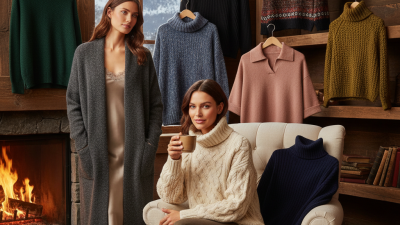
Wool sweaters are a timeless addition to any wardrobe. These versatile pieces not only provide warmth but also add a touch of style to various outfits. Throughout the seasons, wool sweaters can be layered or worn alone, making them essential for both casual and formal occasions.
Exploring the top 10 wool sweater styles is a journey into comfort and fashion. Each style offers unique textures and fits that cater to different body types and personal tastes. From classic crewnecks to trendy oversized styles, there’s a wool sweater for everyone. It’s important to choose a style that resonates with your lifestyle and preferences.
However, not all wool sweaters are created equal. Some may itch or shrink after washing, leading to regrets. Understanding the materials and care requirements is crucial. Investing in high-quality wool can ensure durability and comfort. As you discover your ideal wool sweater style, take note of the small details that make a difference, like fit and color. Embrace this staple piece and elevate your wardrobe with confidence.
The Versatility of Wool: Understanding Different Wool Types for Sweaters
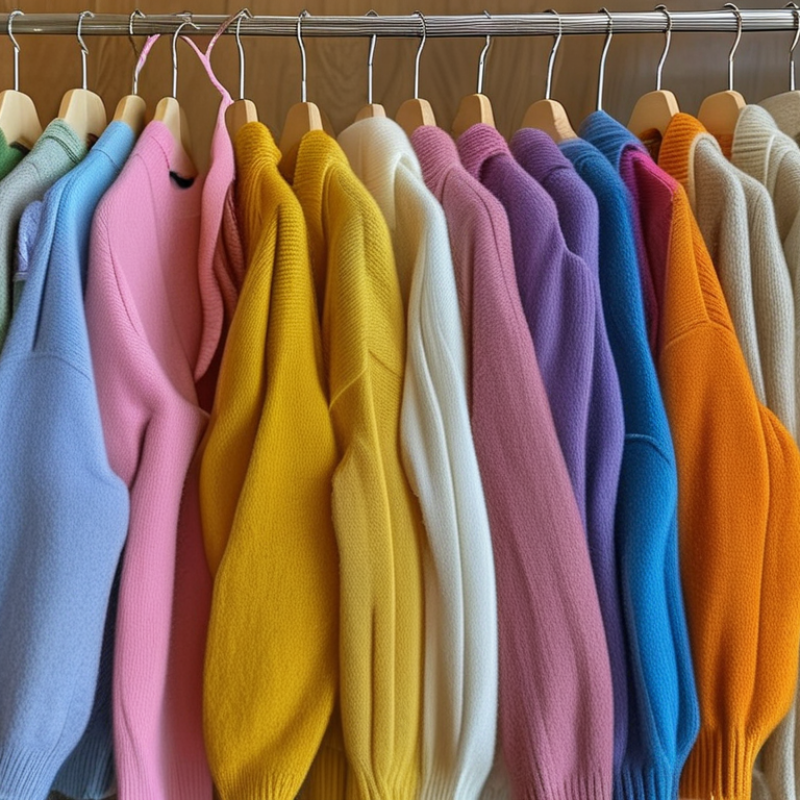
Wool offers remarkable versatility for sweater styles. Understanding different types of wool is essential when selecting a sweater for your wardrobe. Merino wool, for example, is prized for its softness. It is breathable and moisture-wicking, making it ideal for layering. According to a report from the Woolmark Company, Merino wool is 7% warmer than synthetic fibers. This natural insulation is particularly beneficial during colder months.
Cashmere, another luxury wool type, provides exceptional warmth without bulk. Cashmere fibers are finer than Merino, contributing to a lightweight feel. However, it can be less durable, requiring careful washing. A study by The Campaign for Wool found that cashmere garments can lose 30% of their lifespan due to improper care. This highlights the need for proper maintenance in wool garments.
Lastly, alpaca wool possesses unique properties. It has a silky texture and is hypoallergenic. This makes it suitable for sensitive skin. A report by the Fiber Shed indicated alpaca wool is 30% warmer than sheep's wool. However, it is often more expensive, which might limit its accessibility. Reflecting on these factors can guide your sweater purchases, ensuring a balance between style, comfort, and practical care.
Top 10 Wool Sweater Styles You Need for Your Wardrobe
Styling Tips: How to Wear Wool Sweaters for Every Occasion
Wool sweaters are versatile pieces every wardrobe needs. They can elevate any look, whether casual or formal. A recent report by the Global Textile Fiber Consumption shows that wool remains a top fabric choice due to its durability and warmth.
When styling a wool sweater, consider the occasion. For casual outings, pair a chunky knit with jeans and ankle boots. This look is comfortable yet chic. Add a statement necklace to enhance your outfit. On colder days, layer a tailored coat over your sweater for warmth and sophistication. Choose colors that complement each other.
For work settings, opt for a fitted wool sweater. Combine it with tailored trousers or a chic skirt. This combination radiates professionalism while keeping you cozy. Avoid overly bright patterns to maintain a polished appearance. Remember, less can be more in professional environments. A belt can define your waistline, adding structure to your silhouette.
Incorporate these tips into your wardrobe. Embrace the cozy yet stylish appeal of wool sweaters for every occasion.
Sustainable Fashion: The Environmental Benefits of Choosing Wool
Wool is a remarkable fiber that promotes sustainability in fashion. Its natural properties make it an efficient choice for reducing environmental impact. According to a 2021 report from The Woolmark Company, wool production has a lower carbon footprint compared to synthetic alternatives. This is due to wool's biodegradability; it decomposes back into the soil, enriching it rather than polluting it.
Choosing wool supports sustainable practices in agriculture. Wool is produced from sheep that graze on pasture, which can enhance soil health and promote biodiversity. Research shows that well-managed grazing can help sequester carbon in the soil, combating climate change. However, not all wool is created equal. It's essential to choose responsibly sourced wool to truly benefit the environment.
Tip: Be conscious of your wool's origin. Look for certifications that ensure ethical and sustainable production practices.
Another advantage of wool is its durability. High-quality wool garments last for years, significantly reducing waste. A report by the Ellen MacArthur Foundation highlights that extending the life of clothing by just nine months can lead to a 20-30% reduction in carbon, water, and waste footprints. Yet some consumers may overlook the long-term benefits for short-term style trends. Reflecting on your wardrobe choices can help you make more sustainable needs.
Tip: Consider vintage or second-hand wool sweaters. They can be stylish, reduce waste, and support sustainability.
Care Guide: Maintaining Your Wool Sweaters for Longevity
Caring for your wool sweaters is crucial for preserving their quality and longevity. Wool is a natural fiber, known for its warmth and breathability. However, it can be delicate. Washing your sweater too frequently can lead to fading and shrinkage. Instead, consider air-drying your layers between wears. A quick refresh with steam can help remove odors without a full wash.
When washing your sweaters, always opt for cool water. Hand washing is often the safest method. Use a gentle detergent specifically designed for wool. Avoid wringing out wet sweaters, as this can distort their shape. Instead, lay them flat on a towel to absorb excess moisture. Remember to store your wool pieces in breathable spaces, away from direct sunlight.
Over time, pilling may occur on your beloved wool sweaters. This is natural, but it can be frustrating. Use a fabric shaver or a simple sweater comb for touch-ups. Regular maintenance prevents these little nuisances from becoming overwhelming. Caring for your wool requires patience, but the results are rewarding.
Market Trends: The Growing Demand for Wool Sweaters in 2023
The demand for wool sweaters is soaring in 2023. A recent report by the Global Wool Market indicates a 25% increase in sales compared to last year. This growth reflects changing consumer preferences, with many prioritizing sustainability. Wool is biodegradable and renewable, aligning with eco-conscious values.
Shoppers are embracing comfort and luxury. The rise of remote work has led to a surge in cozy, stylish attire. Consumers seek versatile pieces, and wool sweaters fit the bill perfectly. According to market analysts, over 70% of consumers view wool as a premium material. However, not all wool is equal; sourcing and production methods matter significantly.
The industry faces challenges too. With increased demand, supply chain issues have emerged, affecting pricing and availability. Some brands struggle to maintain quality amid rising production costs. As wool becomes more popular, the market must adapt. Finding a balance between sustainability and affordability is crucial. It’s an evolving landscape, requiring ongoing dialogue among producers, retailers, and consumers.

 +86 15968093247
 CONTACT NUMBER
 CONTACT e-mail