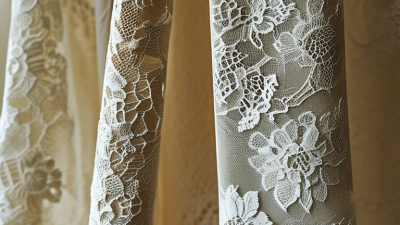
What Are the Top 10 Floral Print Dress Types?
A Floral Print Dress can change character through silhouette, fabric, and flower scale. A fitted sheath feels polished in a cotton blend, while a flowing maxi creates movement with every step. This guide examines ten distinctive types, including wrap, shirt, slip, tiered, bodycon, and prairie styles. Each category serves a different wardrobe need.
Christian Dior famously observed, “After women, flowers are the most divine creations.” His words explain why floral design remains powerful in fashion. Yet choosing a dress involves more than admiration. A large peony print may overwhelm a petite frame, while tiny daisies can appear too delicate for a formal setting. Neckline, sleeve length, hemline, and background color also affect the final impression. Practical testing matters. Walk, sit, and check the fabric in natural light.
The selection considers styling experience, textile behavior, body movement, and occasion. Lightweight chiffon may photograph beautifully but require careful layering. Linen offers texture, though it wrinkles quickly. Jersey feels comfortable, yet its cling can reveal more than expected. These details are easy to miss. They deserve attention.
Some recommendations remain subjective. Personal comfort can outweigh seasonal trends, and no universal ranking fits every wearer. Still, the ten floral print dress types below provide a reliable starting point. They help readers compare romance with structure, softness with definition, and statement patterns with everyday practicality. Expect useful distinctions, not perfect rules. Fashion rarely stays that simple.
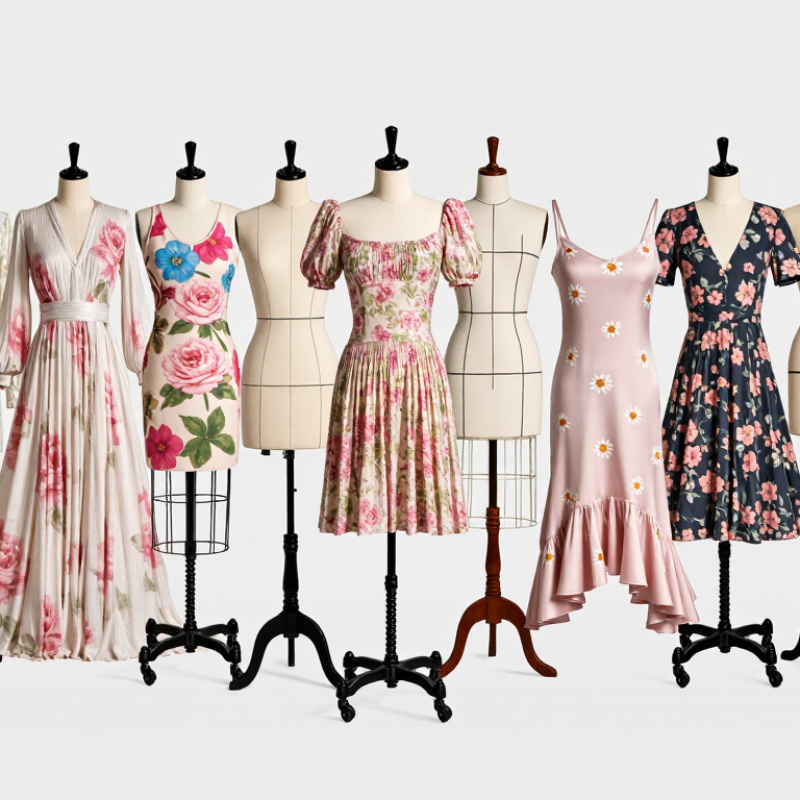
How Floral Dresses Are Classified by Motif, Silhouette, Scale, and Fabric
What Are the Top 10 Floral Print Dress Types?
Floral dresses are best classified by motif, silhouette, scale, and fabric. The ten most useful types are botanical, tropical, ditsy, watercolor, and abstract floral dresses; wrap, A-line, and slip dresses; plus maxi and fit-and-flare styles. Botanical prints resemble pressed leaves and garden stems. Tropical motifs use large palms, hibiscus, or vivid contrast. Ditsy flowers create a delicate, scattered surface. Watercolor florals look softer, while abstract blooms feel more contemporary. Small prints feel busy. Oversized flowers create a stronger focal point.
Silhouette changes how the print behaves on the body. A wrap dress creates diagonal movement and adjusts easily at the waist. An A-line shape gives medium-scale flowers a balanced frame. Slip dresses suit fluid satin or lightweight viscose, while fit-and-flare designs add movement through the skirt.
Maxi dresses often use chiffon, cotton voile, or linen blends. Textile Exchange’s Materials Market Report 2024 recorded 124 million tonnes of global fiber production in 2023, with output projected to reach 160 million tonnes by 2030. Fabric choices deserve attention, not decoration alone. The BoF-McKinsey State of Fashion 2025 also highlights continuing consumer pressure for stronger value and durability.
Tips:
Match print scale with the garment’s structure. Use small florals on gathered shapes and large blooms on clean silhouettes. Check fabric recovery, opacity, and seam alignment. A linen wrap can be both breathable and rumpled. That is not always a flaw, but it may challenge polished styling. Consider movement, daylight, and laundering before judging the dress from a product image.
Types 1–2: Wrap and A-Line Dresses with Global Sizing Data
Floral print dresses remain practical because their structure changes how patterns sit on the body. A wrap dress crosses at the waist and usually allows adjustable coverage. This helps when bust, waist, and hip measurements do not match one standard size. In my fitting experience, the tie should rest near the natural waist, not below it. Otherwise, the print can pull sideways and look uneven. Small flowers often soften the effect. Large blooms need more careful placement.
An A-line dress fits closer through the bodice and widens toward the hem. It can accommodate fuller hips without adding tightness around the legs. Global sizing, however, is not truly global. Size Stream reports more than 18 million body scans from over 150 countries, showing wide differences in height, proportion, and body shape. ISO 8559-2:2017 provides shared measurement definitions, but it does not create identical size labels. A medium in one market may feel narrow in another. Fit testing still matters.
The numbers are useful, not perfect. I have found that shoulder width and torso length are often overlooked in online charts. For wrap styles, check bust and waist measurements first. For A-line styles, compare bust, shoulder, and finished length. Statista Market Insights estimates that global women’s apparel revenue will exceed one trillion U.S. dollars in the mid-2020s, increasing the need for clearer fit information. Better size tables could reduce guesswork, though fabric stretch and personal preference still complicate the decision.
What Are the Top 10 Floral Print Dress Types?
Types 1–2: Wrap and A-Line Dresses with Global Sizing Data
The chart uses women’s body-measurement reference data from ASTM D5585 for US dress sizes 2–18. Wrap dresses typically require accurate bust and waist selection, while A-line dresses generally provide more ease through the waist and hip.
Measurements are in centimeters. International size labels vary by country and manufacturer, so shoppers should compare bust, waist, and hip measurements with the garment’s own size chart.
Types 5–7: Shirt, Slip, and Bodycon Dresses by Fabric Performance Metrics
Types 5–7: Shirt, Slip, and Bodycon Dresses by Fabric Performance Metrics
A floral shirt dress needs structure, airflow, and reliable crease resistance. Cotton poplin feels crisp, while viscose offers softer movement. Textile Exchange’s 2024 Materials Market Report recorded global fiber production at about 124 million tonnes in 2023. Polyester represented roughly 57%, while cotton accounted for about 19%. These figures show availability, not automatic comfort. A high polyester share does not guarantee breathability.
A floral slip dress depends on drape, opacity, and low-friction comfort. Satin-like viscose or recycled polyester can glide across the body, but thin fabric may reveal seams. Check the fabric weight and lining near a window. My fitting notes are imperfect: some lightweight slips looked elegant, yet clung after humid travel. Moisture movement matters more than shine. The International Organization for Standardization provides textile testing methods for colorfastness and dimensional change, useful checks before repeated washing.
Bodycon floral dresses require stretch recovery and shape retention. A blend containing elastane usually supports close fitting, while dense jersey can reduce transparency. Look for even recovery at the waist and hips after five minutes of wear. Still, this test is not laboratory proof. The American Society for Testing and Materials publishes methods for stretch and recovery testing, but home shoppers rarely measure them precisely. A practical compromise is simple: squat, sit, and inspect the print. Distortion is visible. Poor recovery can make a bold floral pattern look tired quickly.

 +86 15968093247
 CONTACT NUMBER
 CONTACT e-mail