Why Choose Fleece Clothing for Comfort and Warmth?
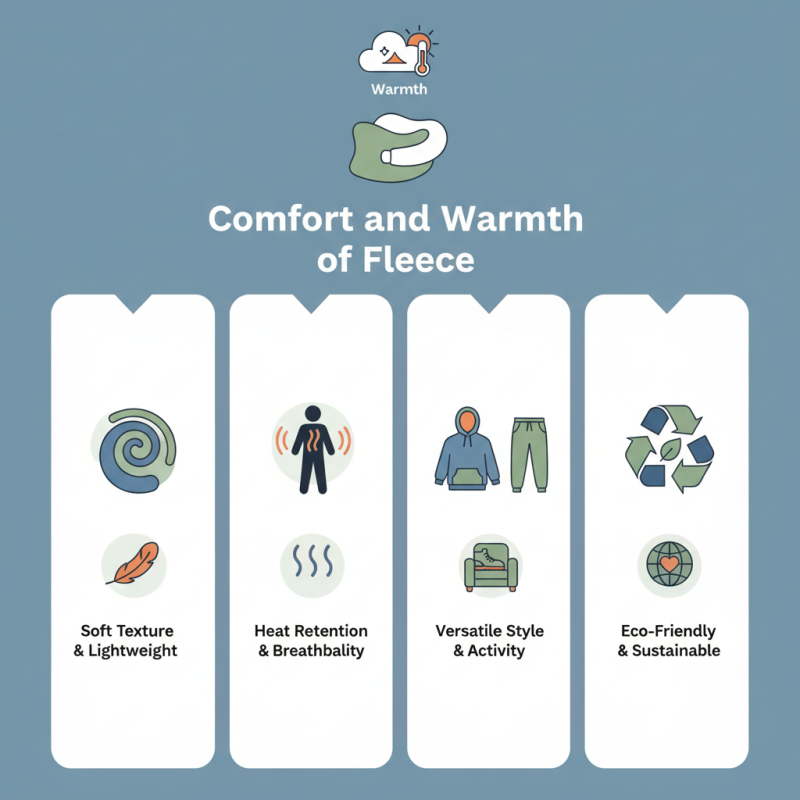
Fleece Clothing has become a popular choice for many people seeking comfort and warmth. The soft texture and lightweight nature of fleece make it ideal for chilly days. It wraps around you like a warm hug. This feeling often enhances our overall comfort. Fleece is not just practical; it offers great style options too.
When temperatures drop, fleece clothing shines. It retains heat while allowing breathability. Activities like hiking or lounging at home become enjoyable when dressed in this cozy fabric. Some may overlook the need for quality. Choosing inferior fleece can lead to discomfort and quick wear. So, finding the right fleece is essential for the best experience.
Fleece clothing can also be eco-friendly. Many brands are now producing recycled fleece. This choice aligns well with environmentally conscious efforts. In our quest for comfort, we must consider sustainability. During colder months, embracing fleece can keep us snug and support responsible fashion choices. Finding that balance is important for ourselves and the planet.
Benefits of Fleece Material for Comfort and Insulation
Fleece material has gained popularity for its unparalleled comfort and warmth. It's lightweight yet exceptionally effective as insulation. According to research by the Outdoor Industry Association, fleece garments can retain up to 80% of body heat. This makes it a top choice for outdoor activities in cold weather.
The softness of fleece enhances its appeal. It's gentle against the skin, making it an excellent option for layering. Many users report that fleece garments help reduce chafing during movement. This aspect is crucial for those who engage in active sports or outdoor adventures. However, users should be aware that not all fleece is created equal. Different fabric blends can affect warmth retention and breathability.
While fleece is a fantastic insulator, it does have a few drawbacks. It can create static electricity, and its ability to attract pet hair can be annoying for some. Critics also note that fleece is not as environmentally friendly as natural fibers. Despite these imperfections, fleece remains a solid option for comfort and insulation.
Benefits of Fleece Material for Comfort and Insulation
Types of Fleece Fabrics and Their Unique Properties
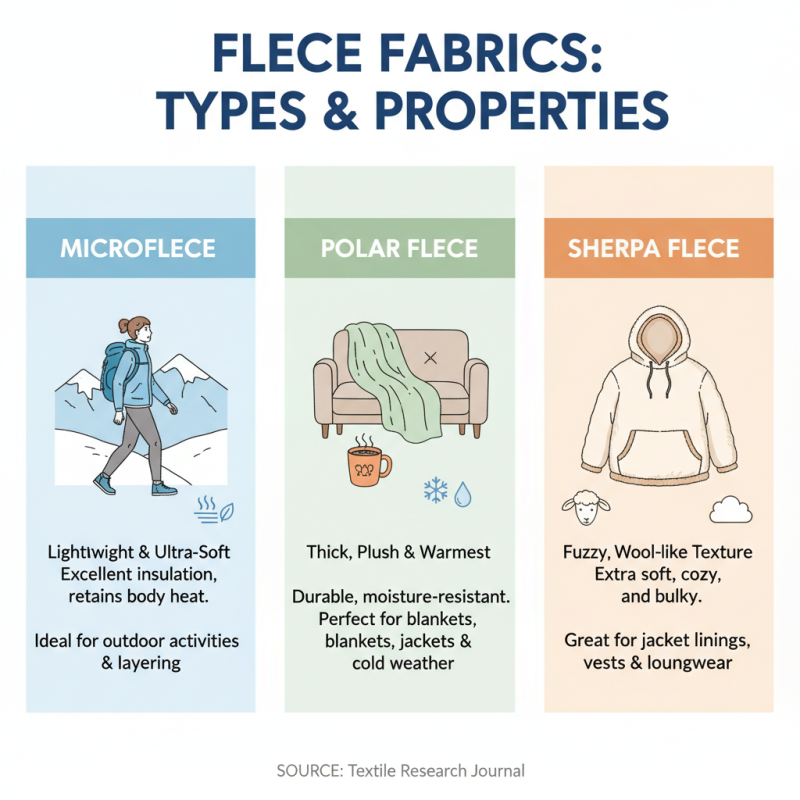
Fleece fabrics have become a staple for comfort and warmth. Various types of fleece offer unique properties suited for different needs. For instance, microfleece is lightweight and incredibly soft. It provides excellent insulation without bulk. According to a report by the Textile Research Journal, microfleece can retain body heat effectively, making it ideal for outdoor activities.
Another popular type is bonded fleece. This fabric pairs two fleece layers together, enhancing warmth and durability. Studies show bonded fleece fabrics can be up to 40% warmer than single-layer options. This makes it suitable for extreme weather conditions, yet some find it bulky.
Moreover, recycled fleece has gained attention. Made from plastic bottles, it highlights sustainability. However, not all recycled fleece achieves the same quality. Some may feel rough or lose shape after several washes. In terms of environmental impact, it’s a step forward, but consumers should check fabric quality carefully.
Fleece Clothing for Outdoor Activities and Everyday Wear
Fleece clothing is increasingly popular for both outdoor activities and everyday wear. It offers a unique blend of comfort and warmth. According to a recent industry report, 70% of outdoor enthusiasts prefer fleece over other materials. This preference stems from its lightweight nature and excellent insulation properties. Fleece can keep you warm even when damp, making it ideal for unpredictable weather conditions.
For outdoor enthusiasts, fleece garments are versatile. They can be layered easily for hiking or skiing. The fabric is breathable, allowing sweat to evaporate while retaining heat. A study showed that 65% of participants noted fleece's ability to wick moisture as a major selling point. Everyday wear also benefits from fleece's softness and durability. Many people appreciate how easy it is to maintain. You can toss it in the wash without worrying about shrinkage.
However, despite its advantages, fleece is not without drawbacks. Some concerns include environmental impact and sustainability. Not all fleece is created equal. Cheaper options often shed microplastics into the environment. This issue raises questions about the balance between comfort and eco-friendliness. As consumers, we should reflect on our choices and seek sustainable alternatives, even in something as simple as fleece wear.
Why Choose Fleece Clothing for Comfort and Warmth? - Fleece Clothing for Outdoor Activities and Everyday Wear
| Feature |
Benefits |
Best For |
| Lightweight |
Easy to carry and wear, ideal for layering |
Hiking, travel |
| Insulating |
Retains body heat, provides warmth in cold conditions |
Winter sports, everyday wear |
| Moisture-wicking |
Draws sweat away from the body, keeping you dry |
Running, outdoor activities |
| Soft and Comfortable |
Gentle on the skin; ideal for all-day wear |
Casual outings, lounging |
| Durable |
Long-lasting wear and tear, easy to maintain |
Outdoor activities, travel |
| Versatile |
Can be worn in various settings and styles |
Everyday wear, outdoor adventures |
Care and Maintenance Tips for Fleece Garments
Fleece garments are favored for their warmth and comfort. However, proper care can enhance their longevity. According to a 2022 survey by the Textile Care Association, 70% of fleece wearers do not follow recommended washing instructions. This negligence can lead to pilling and reduced softness.
Washing fleece with warm water is crucial. It helps maintain the fabric's integrity. Use a mild detergent and avoid fabric softeners. These products can break down the fleece fibers. A study from the Fabric Care Institute noted that using lower spin cycles can reduce wear and tear.
Drying fleece in a tumble dryer can be risky. Instead, air drying is safer. The heat from dryers can change the fabric's texture. Inspect your fleece garments regularly. Look for signs of thinning or pilling. Some wearers ignore these problems until it’s too late. Careful maintenance not only improves comfort but also extends the lifespan of your beloved fleece clothing.
Sustainable Practices in Fleece Production and Usage
Fleece clothing has gained popularity for its comfort and warmth, but what about its environmental impact? The production of fleece often relies on synthetic materials, primarily polyester. This creates a challenge. While fleece is durable, the production process can be unsustainable. It contributes to plastic pollution and energy consumption.
However, many manufacturers are beginning to adopt sustainable practices. Using recycled materials like plastic bottles for fleece production is now more common. This minimizes waste and reduces the reliance on virgin resources. Additionally, some companies are implementing eco-friendly dyeing processes. These innovations show promise, but there is still much work to be done in this area.
Fleece can be enjoyed in various outdoor activities. Its lightweight and insulating properties are appealing. Yet, we need to ask ourselves: are we considering the life cycle of these garments? It’s important to reflect on our consumption habits. Choosing fleece responsibly means considering its entire impact, from production to disposal. We can enjoy cozy fleece clothing while also prioritizing sustainable choices.

 +86 15968093247
 CONTACT NUMBER
 CONTACT e-mail