 +86 15968093247
Leave Your Message
-
CONTACT WhatsApp
-
 CONTACT NUMBER
-
 CONTACT e-mail
Choosing the right Winter Coats for global buyers requires more than comparing prices and photographs. Climate, fabric performance, sizing, compliance, and supplier reliability can change the value of every order. A coat suitable for wet London may fail in dry Toronto or windy Seoul. Details matter.
Yvon Chouinard, founder of Patagonia, wrote, “The more you know, the less you need.” This principle fits Winter Coats purchasing well. Buyers who understand insulation types, shell fabrics, seam construction, and care requirements can avoid unnecessary features. They can also identify coats that offer real protection rather than impressive marketing.
Start with the expected environment. Check temperature ranges, rainfall, snow exposure, wind levels, and daily activity. A city commuter may need a lightweight, water-resistant coat with hidden pockets. A mountain worker may require stronger insulation, adjustable cuffs, and a protective hood. Touch the fabric when possible. Inspect the zipper, lining, stitching, and closure strength.
Certifications and test reports deserve careful review. Supplier claims should not replace independent evidence. Ask for sample inspections, material records, size charts, production timelines, and clear return procedures. Small inconsistencies can become expensive across thousands of units.
There is no universal best coat.
That is the difficult part.
Global buyers must balance warmth, weight, durability, design, cost, and regional preferences. Sometimes a simpler model performs better. Sometimes it does not. This guide examines those trade-offs, helping buyers choose Winter Coats with practical confidence, while leaving room for testing, feedback, and honest reconsideration.
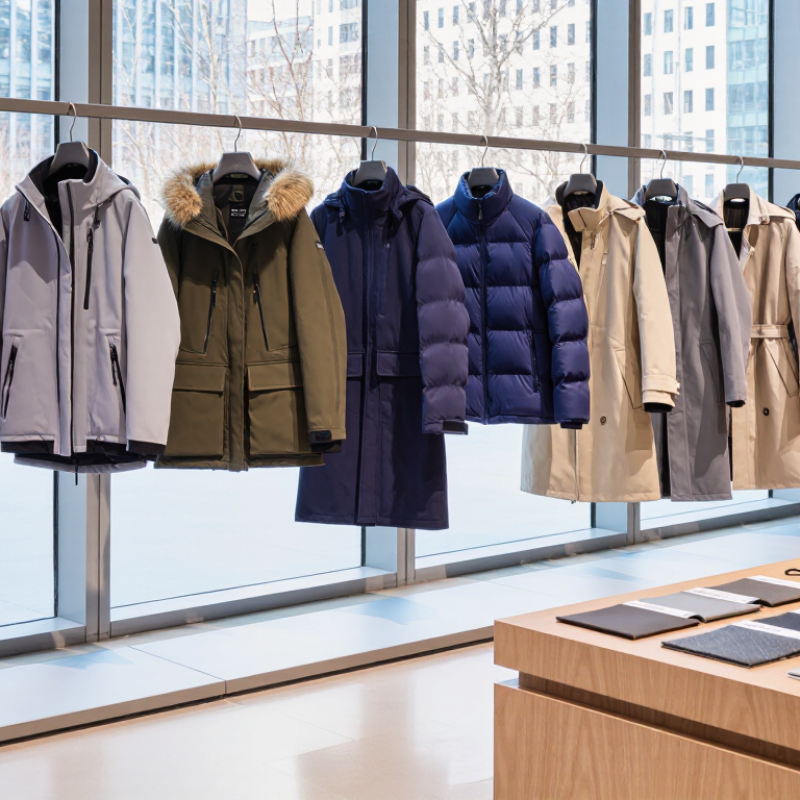
Global buyers should define the wearer before comparing winter coat specifications. A commuter in Stockholm needs different protection from a delivery worker in Seoul or a traveler in Toronto. WMO’s State of Global Climate 2023 reported a global temperature anomaly of 1.45°C above the 1850–1900 average. Warmer averages do not remove winter risk. Sudden cold, wet snow, and strong wind still demand careful product planning.
Ask practical questions about climate, movement, and daily exposure. Is the coat for dry cold, heavy rain, or mixed weather? Will users stand outside for hours or walk between heated buildings? A longer cut can protect the hips, while adjustable cuffs reduce heat loss. Synthetic insulation often dries faster after moisture exposure. Down may provide excellent warmth-to-weight performance, but it needs stronger moisture management. Do not assume the thickest coat is the best choice. That assumption often creates overheating, bulk, and poor repeat use.
Tips: Build a buyer-needs matrix before sampling. Record temperature range, precipitation, wind, activity level, sizing, and target price. Request laboratory results for thermal resistance and evaporative resistance under ISO 11092. Check seam sealing, zipper protection, hood adjustment, and pocket access with real movement tests. The European Environment Agency’s European Climate Risk Assessment 2024 highlights growing climate variability, so one standard winter profile may be too narrow. Test at least two climate scenarios. A perfect specification can still fail in real streets.
| Buyer Profile | Typical Climate | Recommended Temperature Range | Intended Use | Recommended Insulation | Outer Fabric Requirements | Waterproofing Level | Weight and Packability | Key Design Features | Best Purchasing Consideration |
|---|---|---|---|---|---|---|---|---|---|
| Urban Commuter | Cold city winters with occasional rain, wet snow, and moderate wind | 0°C to -10°C | Daily commuting, public transport, shopping, and short outdoor walks | Medium-weight synthetic insulation or a moderate down blend | Wind-resistant polyester or nylon with a durable water-repellent finish | Water-resistant to light rain and snow; sealed seams are optional | Medium weight; compact storage is useful but not essential | Adjustable hood, inner pockets, two-way zipper, ribbed cuffs, and an extended back hem | Prioritize comfort, easy care, neutral styling, and compatibility with business-casual clothing |
| Cold Continental Traveler | Dry, cold winters with occasional snow and strong temperature changes | -5°C to -20°C | Travel, sightseeing, commuting, and extended outdoor activity | High-loft synthetic insulation or responsibly sourced down with sufficient fill volume | Windproof nylon or polyester with a tightly woven construction | Water-resistant to moderate snow; a waterproof shell improves versatility | Medium weight with reasonable packability for luggage | High collar, insulated hood, storm flap, internal waist adjustment, and multiple secure pockets | Check insulation distribution, zipper quality, lining comfort, and performance after repeated compression |
| Wet and Mild Winter Buyer | Frequent rain, damp conditions, limited snowfall, and temperatures near freezing | 2°C to -8°C | Urban use, cycling, walking, and everyday outdoor errands | Light to medium synthetic insulation that retains warmth in damp conditions | Waterproof-breathable laminate or coated polyester/nylon | High waterproofing; prioritize a functional hood and adequate seam protection | Light to medium weight; easy layering is more important than maximum loft | Adjustable hood, waterproof zipper or storm flap, breathable panels, and articulated sleeves | Evaluate waterproof ratings, breathability, seam construction, and drying time |
| Heavy Snow Region Resident | Regular snowfall, freezing temperatures, wind, and prolonged winter exposure | -10°C to -25°C | Daily wear, snow clearing, outdoor work, and winter family activities | High-loft synthetic insulation or down with a protective water-resistant outer layer | Windproof, abrasion-resistant nylon or polyester with reinforced high-contact areas | High water resistance or waterproof construction with protected seams | Medium to heavy weight; warmth and durability take priority over packability | Insulated hood, snow skirt, storm cuffs, two-way zipper, long cut, and fleece-lined hand pockets | Confirm insulation thickness, hem coverage, closure protection, and resistance to wet snow |
| High-Wind Coastal Buyer | Cold maritime weather with strong wind, rain, high humidity, and variable temperatures | 0°C to -12°C | Coastal commuting, walking, travel, and outdoor leisure | Wind-resistant synthetic insulation with layering flexibility | Windproof coated fabric or a waterproof-breathable technical shell | High waterproofing and strong wind protection | Medium weight; should allow a sweater or fleece layer underneath | High collar, adjustable hood, storm flap, drawcord hem, and snug wrist closures | Test wind leakage around the hood, cuffs, zipper, and hem rather than focusing only on fabric ratings |
| Outdoor Worker | Long exposure to cold, wind, snow, rain, and frequent physical movement | -5°C to -20°C | Construction, logistics, transportation, maintenance, and outdoor service work | Durable synthetic insulation that remains functional when damp | Heavy-duty polyester or nylon with abrasion-resistant panels | Moderate to high waterproofing depending on work environment | Medium weight with unrestricted movement; packability is usually low priority | Reinforced elbows, durable zippers, high-visibility details where required, tool pockets, and adjustable cuffs | Prioritize durability, repairability, safety requirements, and freedom of movement over fashion details |
| Winter Sports User | Cold mountain conditions with snow, wind, high activity levels, and changing weather | -5°C to -25°C | Skiing, snowboarding, hiking, snowshoeing, and active outdoor recreation | Light synthetic insulation, down-synthetic hybrid, or an insulated shell designed for layering | Waterproof-breathable technical fabric with strong abrasion resistance | High waterproofing with effective seam sealing | Lightweight and highly packable; mobility and breathability are essential | Helmet-compatible hood, ventilation zippers, powder skirt, articulated sleeves, lift-pass pocket, and adjustable hem | Compare breathability, ventilation, stretch, snow protection, and compatibility with base and mid layers |
| Minimalist Travel Buyer | Mixed winter climates encountered during international travel | 5°C to -10°C | Air travel, city breaks, business trips, and flexible seasonal use | Light synthetic insulation or compressible down with layering capability | Lightweight nylon or polyester with water-repellent treatment | Water-resistant for light precipitation; a separate rain shell may be suitable | Very lightweight and highly packable | Packable hood, concealed pockets, two-way zipper, low-bulk quilting, and easy-care lining | Consider packed size, wrinkle resistance, international sizing, and versatility across climates |
| Eco-Conscious Buyer | Moderate to cold winter conditions with varied precipitation | 0°C to -15°C | Everyday wear with preference for long-term use and lower environmental impact | Recycled synthetic insulation or certified responsibly sourced down | Durable recycled polyester or nylon; fluorine-free water-repellent finishes may be preferred | Water-resistant to high waterproofing, depending on intended activity | Medium weight; durability and repairability are more important than extreme lightness | Replaceable components, reinforced construction, repair-friendly design, and timeless styling | Request material certifications, recycled-content details, care instructions, and expected product lifespan |
| Sensitive-Skin or Allergy-Conscious Buyer | Cold to moderately cold conditions with frequent indoor-to-outdoor transitions | 5°C to -10°C | Daily commuting, school, travel, and routine outdoor activities | Soft synthetic insulation with a smooth, low-irritation lining | Breathable polyester or nylon with a comfortable inner surface | Water-resistant to moderate waterproofing | Light to medium weight; comfort and low bulk are important | Soft chin guard, covered seams, non-abrasive cuffs, adjustable fit, and removable hood options | Review lining composition, odor retention, washing instructions, and skin-contact components |