How to Choose the Best Lace Fabric for Your Project?
Choosing the right lace fabric can feel overwhelming. There are countless options available, each with its unique charm and characteristics. Understanding these can elevate your project significantly. Lace fabric is not just a material; it embodies elegance and sophistication.
Consider the style of your project. Different types of lace offer varied textures and patterns. For instance, floral lace adds romance, while geometric lace provides a modern touch. This variety can define the outcome of your creation, making thoughtful selection crucial.
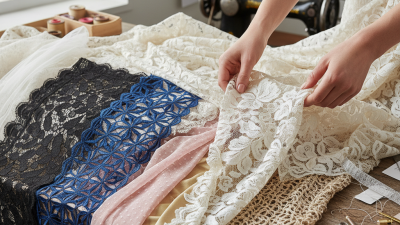
Evaluate the weight and drape of the lace fabric. Heavier laces may not flow as gracefully, while lighter options can be too delicate for some uses. Testing swatches can clarify these aspects. Remember, the perfect lace isn’t always the most elegant one; sometimes the imperfections add character. Your choices should reflect your vision, balancing beauty and functionality.
Understanding Different Types of Lace Fabrics Available in the Market
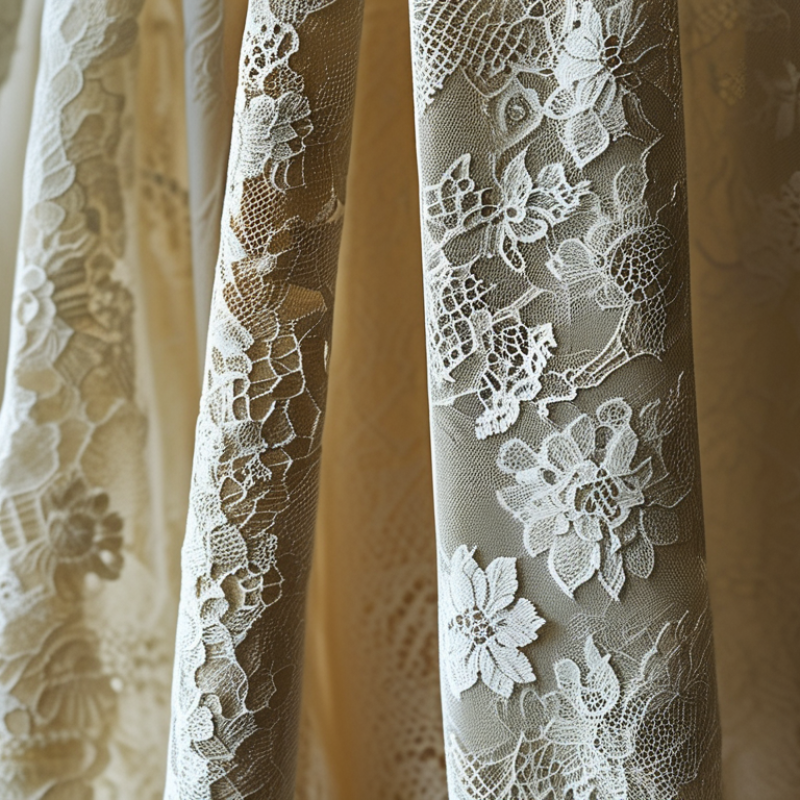
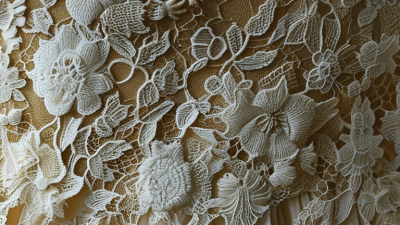
Lace fabrics come in various types, and understanding them is crucial for your project. Not all lace is created equal. Some common types include embroidery lace, Chantilly lace, and Broderie Anglaise. Embroidery lace features intricate patterns stitched onto sheer fabric, giving it a textured look. Chantilly lace, on the other hand, is known for its delicate floral designs and is often used in bridal wear.
Market research reveals that the lace fabric industry is expected to grow by 6% annually. This data indicates a rising demand for diverse lace types. Designers and seamstresses select lace based on various factors, such as weight, opacity, and pattern intricacy. A lightweight lace may drape beautifully, while a heavier lace could provide structure.
Choosing the right lace requires attention to detail. Some laces may fray easily. This poses challenges during sewing. Additionally, consider the fabric's stretch. Some lace types can be tricky to sew. Even experienced users may find mistakes in their selections. Make sure your choice fits well with your overall design vision. Knowledge of these common lace kinds can save you time and frustration in the long run.
How to Choose the Best Lace Fabric for Your Project? - Understanding Different Types of Lace Fabrics Available in the Market
| Type of Lace Fabric |
Characteristics |
Best Used For |
Care Instructions |
| Chantilly Lace |
Delicate, intricate floral patterns, typically soft and sheer. |
Bridal gowns, evening wear, and overlays. |
Hand wash only, lay flat to dry. |
| Venise Lace |
Heavy, embroidered lace with a raised design. |
Costumes, accessories, and home decor. |
Spot clean or dry clean only. |
| Alençon Lace |
Fine lace with a floral pattern and a net surrounding it. |
Wedding dresses, veils, and couture garments. |
Dry clean only. |
| Cotton Lace |
Soft, breathable, and often machine-made. |
Craft projects, trims, and casual wear. |
Machine washable, tumble dry low. |
| Organza Lace |
Stiff, sheer fabric with a crisp texture. |
Party dresses, overlays, and decorative accents. |
Hand wash cold, do not wring. |
Evaluating the Texture and Weight of Lace for Your Specific Project
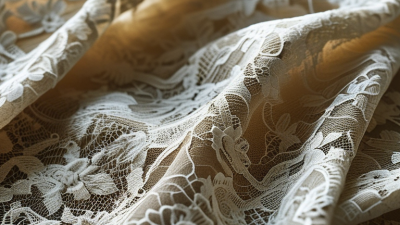
When choosing lace for your project, evaluating its texture and weight is crucial. Lace fabrics come in various textures, from delicate and airy to thick and ornate. The texture influences how the lace drapes and interacts with other materials. A soft lace can create graceful, flowing designs, while a heavier lace may give structure and support to garments. Consider the end use of your project. For elegant evening wear, lightweight lace often works best, while thick lace suits structured pieces.
Weight is another vital factor. Lighter lace typically has less body and may require additional lining to ensure coverage and opacity. Heavier lace, on the other hand, can often stand alone and provide more durability. Keep in mind the intended wear of your creation. A lace dress for everyday wear might benefit from a medium-weight fabric that balances comfort and style. Reflect on your project’s purpose—this can guide your choice in both texture and weight. Are you seeking fluidity or structure? Ask yourself these questions as you explore the available options.
Considering Colors and Patterns in Lace to Match Your Design Vision
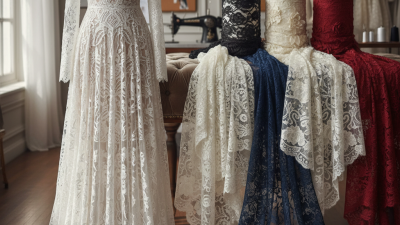
Choosing the right colors and patterns in lace is essential for any design project. Lace fabrics come in various shades, from soft pastels to vibrant hues, allowing for diverse creative possibilities. According to a recent industry report, 62% of fashion designers prioritize color when selecting lace for their collections. This data underscores the impact that color has on the final design outcome.
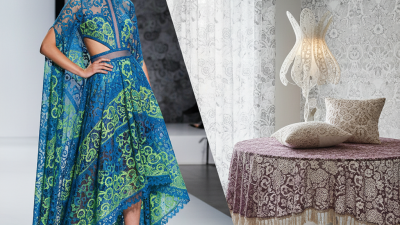
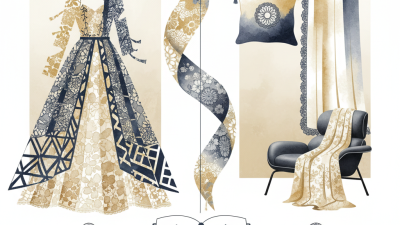
When considering patterns, floral designs and geometric shapes dominate the lace market. Research indicates that 47% of consumers are drawn to floral lace for its romantic appeal, while geometric patterns attract a more modern audience. Each pattern directs the emotion of the piece. If the design vision calls for elegance, intricate floral lace may be the best choice. For a contemporary look, bold geometric patterns can make a strong statement.
It is also important to pay attention to fabric texture. Not all lace feels the same. Some are soft and delicate, while others are more structured. A study found that fabric texture affects the perception of color. A smoother lace might appear brighter, while a rougher texture could dull colors. This variation invites reflection on how texture impacts your design vision. Many designers find it challenging to balance these elements effectively, emphasizing the need for thoughtful consideration in the selection process.
Choosing the Best Lace Fabric: A Comparison of Popular Colors and Patterns
Assessing Fabric Quality and Durability for Longevity in Your Project
When choosing lace fabric, durability is crucial. Lace can be delicate. It may fray or tear over time. This is especially true for lower-quality materials. Look for tight, even weaves. A well-constructed lace will last longer. Inspect the fabric for any loose threads. A sturdy lace should hold its shape when lightly stretched.
Consider the weight of the lace as well. Heavy lace can provide a luxurious feel but might not be suitable for all projects. Lighter lace feels more breathable but may be less durable. Test the fabric's resilience by pulling gently at the edges. Watch for excessive stretching or snagging. Patterns matter too. Intricate designs can be beautiful but may weaken the fabric.
Choosing the right lace requires attention to detail. Not all lace fabrics are created equal. It's essential to balance quality with your project needs. Some fabrics may surprise you with their durability. Others might disappoint. A reliable fabric will serve your creative vision well over time.
Budgeting for Lace Fabric: Cost Factors and Where to Source Quality Fabrics
When budgeting for lace fabric, several key cost factors come into play. The type of lace directly influences pricing. Intricate designs or embroidered details often demand a higher price. Conversely, basic lace options are usually more affordable. Knowing your project needs will help you make smart choices.
Consider the fabric width and length. Wider lace may cost more per yard. Additionally, sourcing quality fabric from reputable suppliers can save money in the long run. Cheaper materials might seem tempting but can result in lower durability. Research local fabric shops and online retailers to compare prices. Look for seasonal sales or discounts to stay within budget.
Pay attention to the quality of the lace. High-quality lace often has a delicate, refined finish. Check for any defects or uneven stitching. It’s also helpful to understand your needs. Are you using lace for clothing, home decor, or crafts? Each project might require different types of lace. Reflect on how much you’re willing to spend and make adjustments as necessary. Being clear about your priorities can guide your purchasing decisions effectively.

 +86 15968093247
 CONTACT NUMBER
 CONTACT e-mail