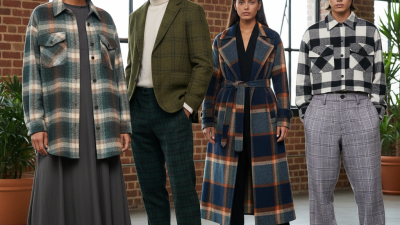
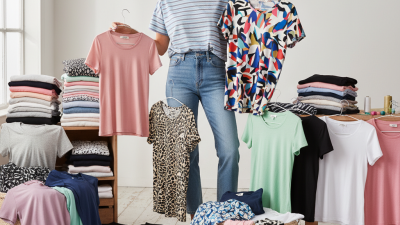
How to Choose the Right Striped Fabric for Your Next Project?
When embarking on a new sewing project, the choice of fabric plays a crucial role. Striped fabric, with its vibrant patterns and versatility, can enhance any creation. However, not all striped fabrics are created equal. Understanding the nuances of this fabric type is essential for achieving the desired look and feel.
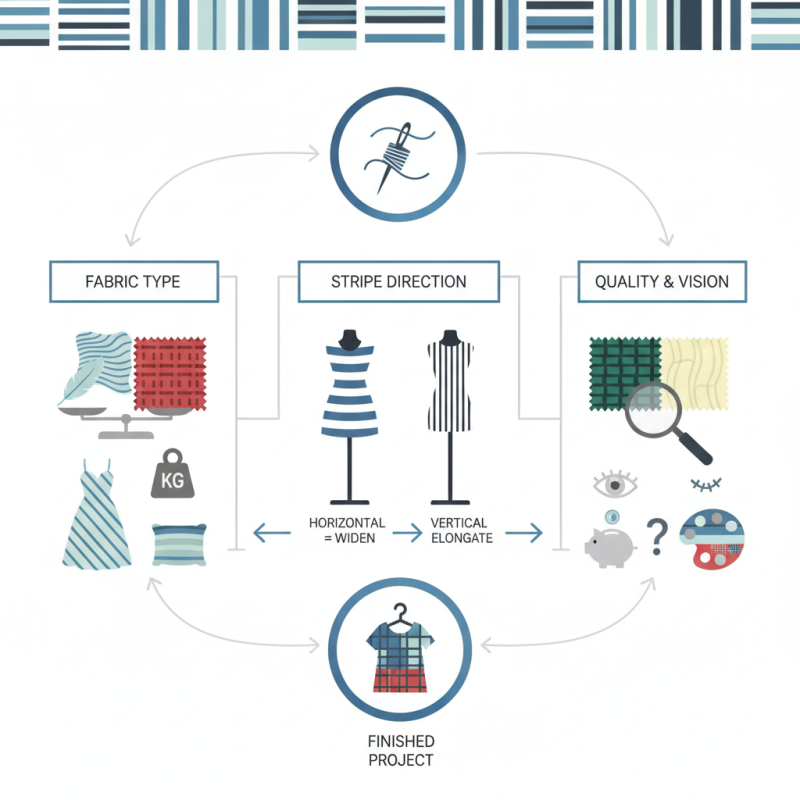
The texture and weight of striped fabric can significantly impact your project. Lighter fabrics are ideal for summer wear, while heavier stripes work well for home decor. Additionally, the direction of the stripes can create different visual effects. Horizontal stripes can widen, while vertical ones can elongate. Choosing the right direction is key to your design intent.
Many new sewers overlook the importance of quality when selecting material. Cheap striped fabric may seem appealing, but it could lead to disappointment. Investing in high-quality fabric ensures durability and a professional finish. As you choose, remember to reflect on your vision and goals. Be open to exploring various options, and don’t shy away from mixing textures.
Understanding Different Types of Striped Fabrics Available in the Market
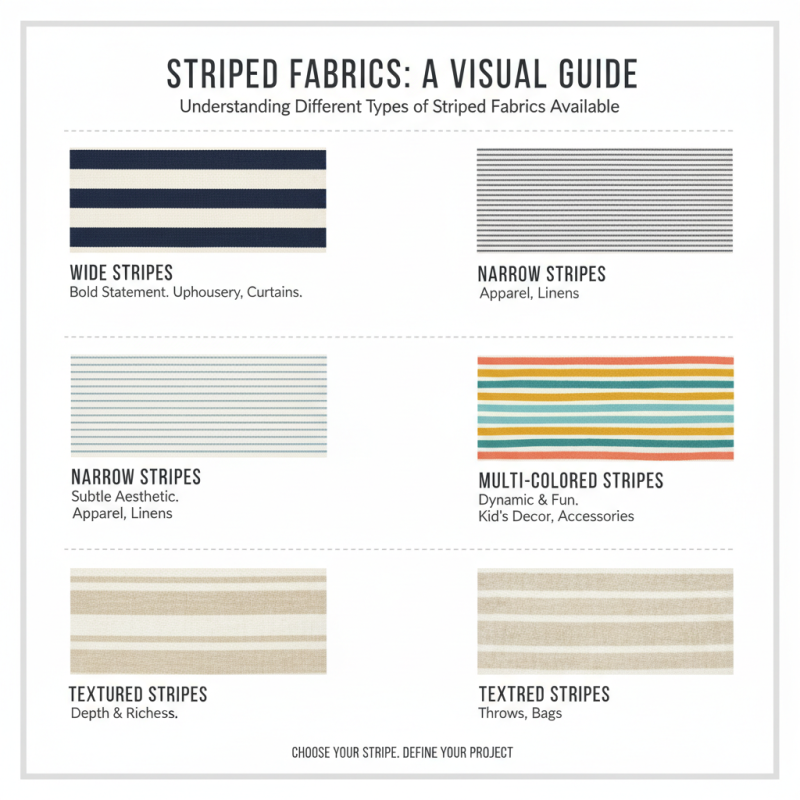
When selecting striped fabric for your next project, understanding the different types available is crucial. Stripes come in various widths, colors, and patterns. Each has its unique appeal and use in crafting. For example, wide stripes can create a bold statement, while narrow stripes may offer a more subtle aesthetic. Mixing colors can also enhance visual interest, so consider your project’s overall theme.
It's essential to evaluate the fabric's texture and weight. Lightweight cottons are ideal for summer garments, while heavier fabrics may suit upholstery projects. Some fabrics drape beautifully, while others may feel rigid. Be mindful of how the stripes align when cutting your pieces. Misaligned stripes can lead to a less polished look. Testing a small sample can save time and resources in the long run.
Additionally, remember that not all striped fabrics are created equal. Some may stretch, while others do not. This characteristic can impact your final design. If you're unsure, consult with sewing enthusiasts or experts. Engaging with a community can provide valuable insights and feedback. Don't hesitate to explore different options. Your perfect striped fabric awaits!
Factors to Consider When Choosing Striped Fabrics for Your Project
When selecting striped fabric for your next project, several factors demand consideration. The width of the stripes can impact the overall design. Wider stripes often evoke boldness, while narrower ones tend to create a more delicate look. According to a 2022 textile report, 45% of designers prefer medium-width stripes for versatility.
Color harmonies are another vital aspect. Striped fabrics capable of complementing other colors add depth to your project. Data shows that 68% of successful projects involve thoughtful color selection, enhancing visual appeal. Opt for colors that resonate with your chosen theme and target audience.
Tip: Always test fabric swatches under different lighting conditions. Colors can appear drastically different in natural light versus artificial lighting.
The texture of the fabric also plays a significant role. Some fabrics may feel soft and inviting, while others may seem coarse or stiff. This tactile experience can affect how the final product is received. Industry experts note that fabric texture impacts 57% of customer satisfaction.
Tip: Consider pre-washing your fabric. Shrinkage can alter your project dimensions, leading to unexpected adjustments later.
Choosing the right striped fabric combines art and science. A thoughtful approach enhances your project's quality and creativity.
Color Theory: How Stripes Influence Perception and Style
Stripes can dramatically influence the perception of a space or outfit. Different colors create unique moods. For instance, bold stripes in vibrant colors energize a room, while softer hues induce calm. Consider how the colors interact. A navy and white combination evokes a nautical theme, while red and white can feel retro.
The width of the stripes also plays a critical role. Narrow stripes tend to elongate and slim, while wide stripes can add weight and presence. This aspect can affect how garments fit and how they are perceived. A bold striped dress can command attention, while subtle stripes offer a more understated elegance.
Choosing the right striped fabric requires careful consideration. Think about the context of your project. Will the stripes overwhelm or enhance? Reflecting on how colors and patterns affect perception can transform your choices. Experiment with combinations. Embrace imperfections and explore what resonates with your style.
Selecting the Right Fabric Weight for Your Striped Design Needs
When selecting a striped fabric, understanding the weight is crucial. Fabric weight, measured in grams per square meter (GSM), directly impacts your project's outcome. Lightweight fabrics, under 150 GSM, work well for summer garments. They offer breathability and are comfortable for warm climates. On the other hand, heavier fabrics, above 250 GSM, provide structure and warmth, making them ideal for lined jackets or outerwear. Knowing the appropriate GSM for your design ensures functionality.
A report from the Textile World indicates that 65% of designers prefer mid-weight fabrics (between 150-250 GSM) for versatility. These fabrics are suitable for various projects, allowing for layering options. However, choosing the wrong weight can lead to disappointing results. For example, a lightweight fabric may not hold its shape well in structured garments. Conversely, too heavy a fabric can overwhelm delicate designs. This discrepancy requires careful consideration.
Consider also the drape of the fabric. Heavier fabrics may lack fluidity, impacting how the stripes appear in motion. In contrast, lighter fabrics can showcase stripe patterns beautifully but may not provide enough structure for certain designs. This balance is necessary, yet subjective. Designers often walk a fine line between aesthetics and practicality. Understanding these nuances aids in better fabric selection for any creative project.
Practical Tips for Combining Striped Fabrics with Other Patterns
Combining striped fabrics with other patterns can be a delightful yet challenging endeavor. Stripes can be bold and eye-catching. Thus, paying attention to how they interact with different designs is crucial. Begin by selecting complementary patterns. For instance, pairing stripes with florals creates a playful contrast that captures attention.
Consider the scale of your stripes. Wide stripes can clash with busy patterns. Opt for smaller stripes alongside larger prints instead. This balance helps create a cohesive look. When mixing patterns, use a consistent color palette. This unifies different elements, even if the designs are varied.
Tips: Always trust your instincts. If a combination feels off, it likely is. Experimentation can lead to discovery, but not every attempt will succeed. Document your creations. This allows you to identify what worked and what didn't. Be open to evolving your style. Your approach may change over time as you gain confidence in fabric mixing.
How to Choose the Right Striped Fabric for Your Next Project?
| Fabric Type |
Width of Stripes |
Color Combination |
Best Uses |
Pattern Pairing |
| Cotton Stripe |
Wide |
Navy and White |
Casual Wear |
Polka Dots |
| Linen Stripe |
Narrow |
Earth Tones |
Summer Tops |
Floral |
| Silk Stripe |
Mixed |
Red and Gold |
Evening Wear |
Geometric |
| Knitted Stripe |
Wide |
Bright Colors |
Sweaters |
Checks |
| Canvas Stripe |
Very Wide |
Bright and Neutral |
Bags and Upholstery |
Solid Colors |

 +86 15968093247
 CONTACT NUMBER
 CONTACT e-mail