China Top Trench Coats Trends for Global Buyers Today?
The global fashion landscape is witnessing a resurgence in trench coats, a timeless staple known for its versatility and elegance. According to a recent report by Research and Markets, the trench coat market is projected to grow significantly, with an estimated compound annual growth rate (CAGR) of 4.5% from 2023 to 2030. This trend highlights the growing consumer preference for stylish yet functional outerwear.
In China, trench coats are becoming increasingly popular among both domestic and international buyers. The shift towards casual and practical fashion choices has piqued interest in these garments. Notably, around 35% of young urban consumers express a preference for trench coats as their go-to outerwear. This is a compelling testament to the blend of style and comfort that trench coats offer.
However, despite this positive trend, the market faces challenges. Sourcing quality materials while maintaining affordability remains a significant hurdle for manufacturers. As fashion evolves, brands must continuously innovate while staying true to their roots. Trench coats, while trendy today, demand a commitment to sustainability and ethical practices to remain relevant in an increasingly conscious marketplace.
China Trench Coat Market Overview: Key Trends and Insights
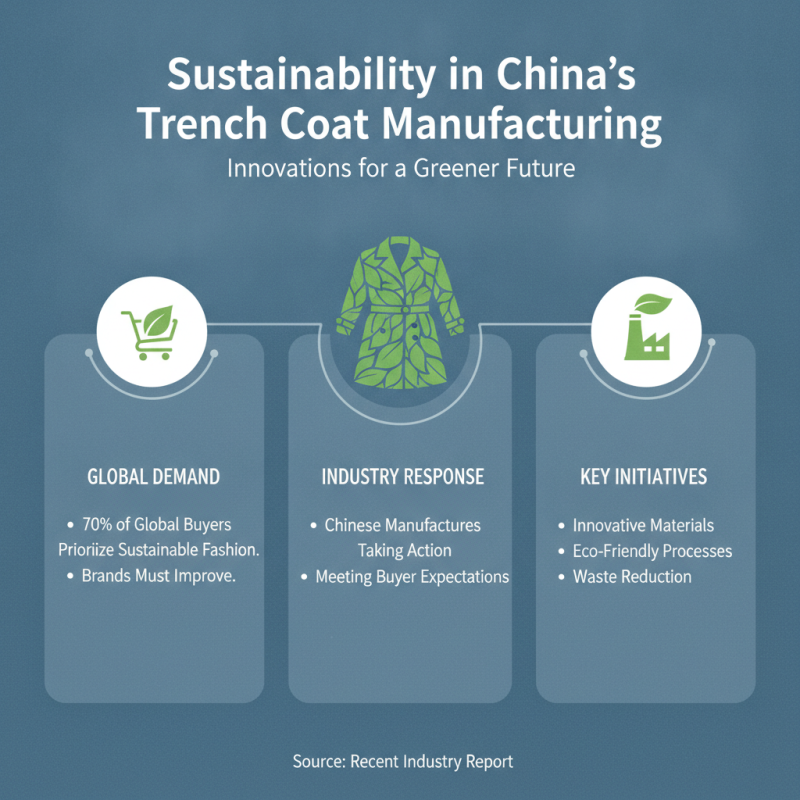
China's trench coat market has become increasingly significant in global fashion. The blend of traditional craftsmanship and modern design attracts buyers worldwide. Many manufacturers now focus on sustainable materials, responding to rising environmental concerns. The trend highlights eco-friendliness while maintaining style.
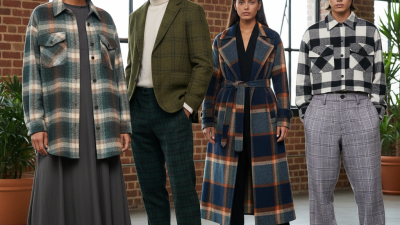
Current designs feature bold colors and unique cuts. Buyers are interested in layering options, suitable for various occasions. The demand for lightweight fabric increases, catering to seasons with variable temperatures. Shoppers often seek versatility, wanting their trench coats to transition from casual to formal settings.
However, the market faces challenges. Quality control issues can arise in mass production. Some manufacturers struggle to keep up with fast fashion demands while ensuring durability. Buyers express concerns about the longevity of cheaper options. Awareness of these problems may lead to better choices in the future. The evolving landscape of China's trench coat market shows promising trends but requires ongoing attention.
Current Fabric Innovations Driving China's Trench Coat Production
The world of trench coats is evolving in China. Innovative fabrics play a crucial role in this transformation. Sustainable materials, such as recycled polyester and organic cotton, are gaining popularity. Consumers today prefer environmentally friendly choices. These fabrics not only reduce environmental impact but also offer durability. The integration of breathable fabrics enhances comfort for varying climates.
When selecting a trench coat, consider the fabric. Look for options that balance style and functionality. Lightweight materials are ideal for layering. Pay attention to water-resistant options if you live in rainy areas.
The trade-off may be with price versus sustainability. Investing in quality fabrics means a longer-lasting garment. Reflect on your buying choices and their implications for the environment. Support brands that focus on innovative fabric technologies. This small shift can lead to significant industry changes.
Current Trends in Trench Coat Fabrics for Global Buyers
Consumer Preferences: What Global Buyers Look for in Trench Coats
Global buyers are becoming more discerning when it comes to trench coats. Recent surveys show that 75% of consumers prioritize quality and durability. These elements are essential, especially in varying climates. A trench coat that withstands the elements can be an investment. Those in colder regions look for coats with insulation and water resistance. Meanwhile, lighter fabrics are favored in warmer areas.
Style preferences are also evolving. Data indicates that 65% of buyers prefer classic designs with modern twists. Unique color choices and patterns are gaining popularity. Shoppers want versatility that allows for both casual and formal wear. An unexpected detail could make a coat stand out. Buyers increasingly appreciate sustainable materials. Reports show that 55% of consumers are willing to spend more on eco-friendly options.
However, the market is not without challenges. Many buyers struggle to find the right fit. Sizing inconsistencies can lead to disappointment. Additionally, consumers want transparency about manufacturing processes. Skepticism about where products come from is rising. Brands need to address these concerns to build trust. Understanding what consumers value is crucial for success in today's trench coat market.
China Top Trench Coats Trends for Global Buyers Today
| Trend |
Description |
Preferred Material |
Target Demographic |
Price Range (USD) |
| Sustainable Trench Coats |
Eco-friendly, made from recycled materials. |
Organic cotton, recycled polyester |
Environmentally conscious consumers |
100 - 250 |
| Classic Double-Breasted |
Timeless design suitable for all occasions. |
Wool blend, cotton |
Adults, mainly professionals |
80 - 200 |
| Lightweight Packable Coats |
Easy to carry, ideal for travel. |
Nylon, polyester |
Travelers, outdoor enthusiasts |
60 - 150 |
| Smart Technology Integration |
Coats with built-in connectivity features. |
Technical fabrics |
Tech-savvy consumers |
200 - 400 |
| Oversized Styles |
Relaxed fit for comfort and style. |
Cotton, denim, mixed blends |
Youth, casual fashion lovers |
70 - 180 |
Market Forecast: Growth Projections for China's Trench Coat Exports
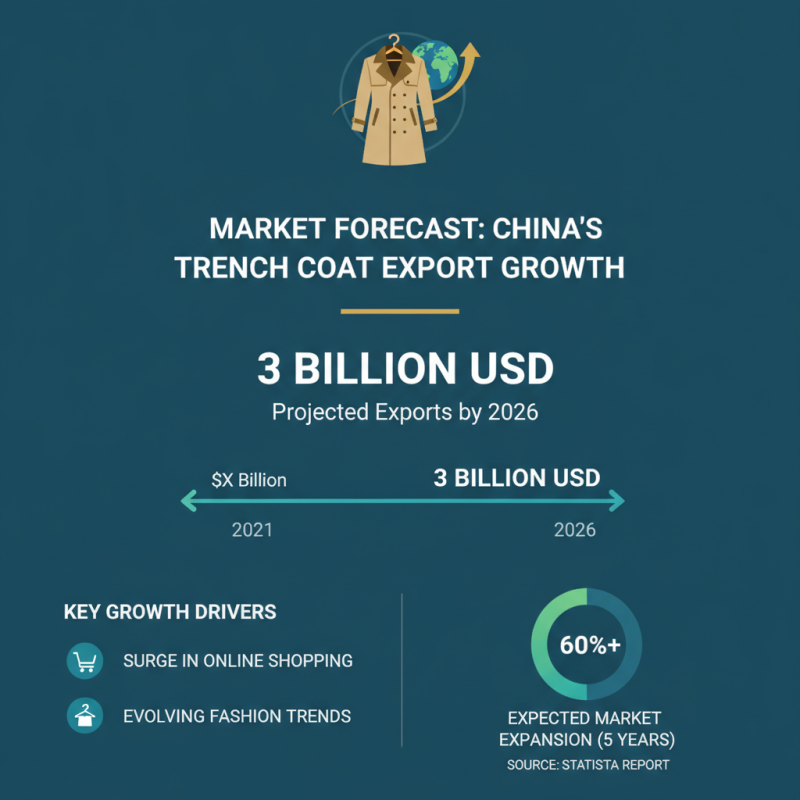
China's trench coat exports show promising growth, driven by global demand. The trench coat market is projected to expand significantly over the next five years. According to a recent report by Statista, China's trench coat exports are expected to reach $3 billion by 2026. This growth can be attributed to a surge in online shopping and changing fashion preferences.
In addition, the increasing emphasis on quality and design plays a crucial role. Consumers desire fashionable yet functional outerwear. The market's projected annual growth rate stands at approximately 5.2%. Trends indicate a shift towards lightweight materials, catering to warmer climates. However, not all brands adapt swiftly. Some may struggle to balance quality and production speed, which can impact consumer trust.
Environmental considerations are also essential. Eco-friendly materials are gaining traction. Amid rising awareness, brands must reflect on their sourcing practices. This can be a challenge for manufacturers. As consumer expectations evolve, the industry faces pressure to innovate sustainably. While growth is on the horizon, obstacles do exist. Brands should focus on aligning with consumer values to thrive in the competitive market.

 +86 15968093247
 CONTACT NUMBER
 CONTACT e-mail