China Top Plain Clothes Suppliers for Global Buyers?
China has emerged as a leading provider of plain clothes for global buyers. The country dominates the apparel manufacturing sector, accounting for approximately 38% of the world's total clothing exports. This staggering figure highlights China's significant role in the plain clothes market. However, the industry is facing various challenges, including fluctuating labor costs and increased competition from countries like Bangladesh and Vietnam.
Moreover, sustainability is becoming a critical concern. Reports indicate that over 60% of consumers prefer brands committed to ethical practices. This shift necessitates that Chinese suppliers adapt their operations to meet global standards. Many companies are now investing in eco-friendly materials and processes. Yet, the transition is not always seamless. Some suppliers struggle with maintaining quality while meeting sustainability goals.
As plain clothes continue to dominate global fashion trends, it is crucial for buyers to navigate the complexities of sourcing from China. Engaging with suppliers that uphold transparent practices and quality standards can ensure reliable partnerships. The evolving landscape demands introspection within the industry. While China remains a powerhouse, the future success of plain clothes suppliers will depend on innovation and adaptability.
China's Dominance in the Global Plain Clothes Market: An Overview
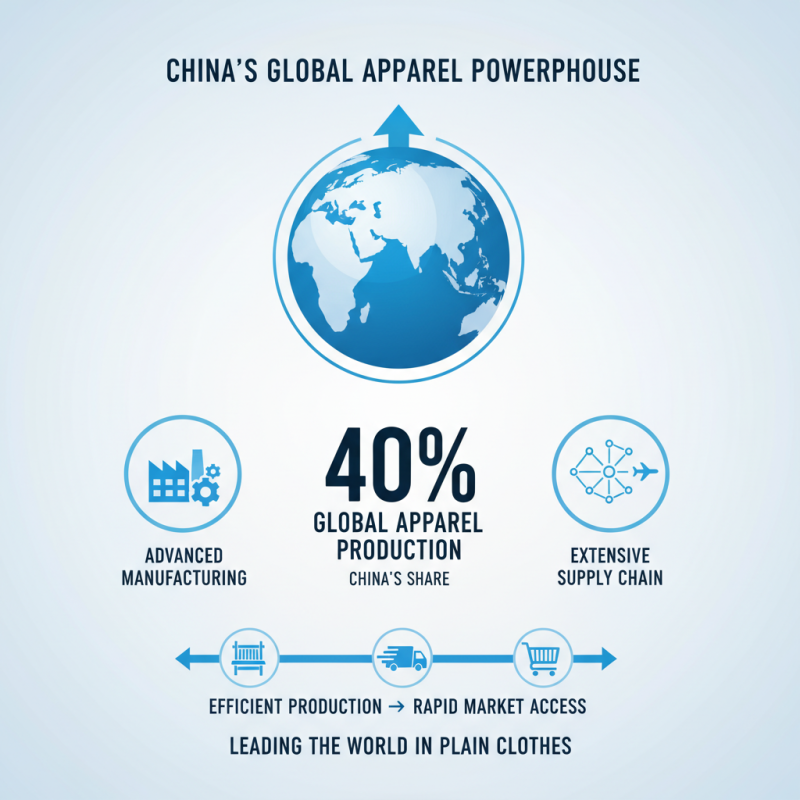
China has established itself as a leader in the global plain clothes market, with a substantial share of the industry. According to recent reports, China accounts for approximately 40% of the total global apparel production. This dominance is largely attributed to the country's advanced manufacturing capabilities and an extensive supply chain network. The efficient production processes have allowed Chinese suppliers to cater to various international markets swiftly.
Furthermore, the rise of e-commerce has significantly boosted exports. A study noted that plain clothes exports from China rose by over 30% in recent years, solidifying its role as a go-to source for global buyers. However, the industry faces challenges such as fluctuating demand and environmental concerns. Consumers increasingly seek sustainable options, putting pressure on manufacturers to innovate.
The emphasis on quality control and compliance with international standards cannot be overlooked. Statistics show that only about 70% of plain clothes meet stringent quality checks required by global markets. Addressing these issues is vital for sustaining growth and enhancing China's reputation as a reliable supplier in the plain clothes sector.
Key Players in China's Plain Clothing Supply Chain: Profiles and Insights
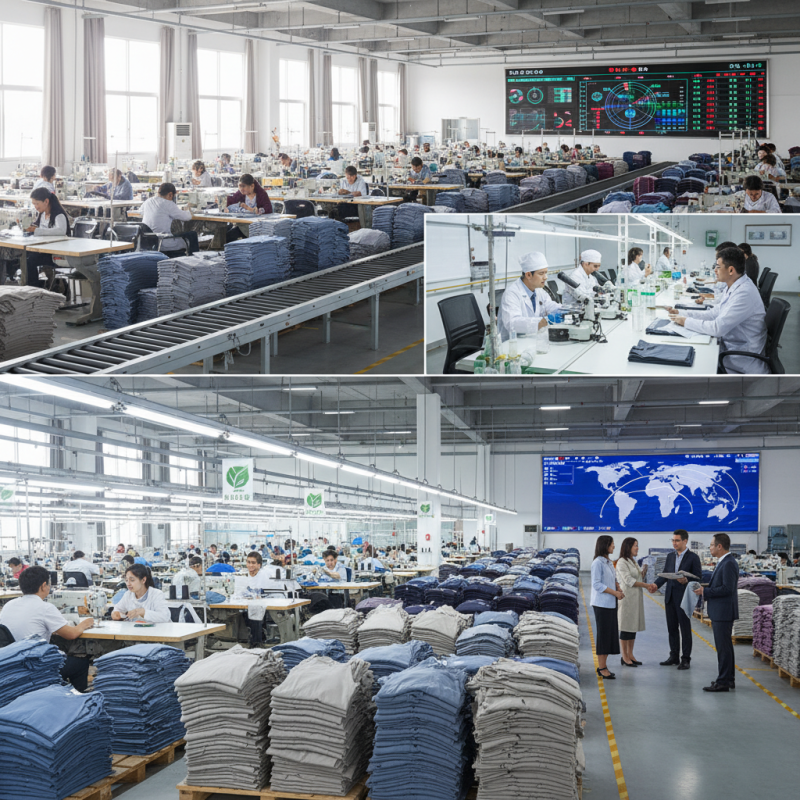
China's plain clothing supply chain is vast and diverse. Many suppliers operate in this dynamic sector. These companies often focus on bulk manufacturing. Their expertise lies in fabric selection and production techniques. They provide cost-effective solutions for global buyers. This makes China a key player in the global textile market.
Many suppliers emphasize quality control. They may implement rigorous testing and inspection processes. However, some may overlook this aspect in pursuit of lower costs. This can lead to inconsistencies in product quality. Communication barriers can also create challenges. Not all suppliers have strong English skills, affecting negotiations and orders.
Sustainability is a growing concern among consumers. Some Chinese suppliers are beginning to adapt to this. They explore eco-friendly materials and ethical sourcing. Despite this, skepticism remains. The industry must address these issues to build trust. Stakeholders often seek transparent supply chains. There is room for improvement in this regard. Addressing these challenges is essential for long-term success.
Industry Trends: Growth Statistics for China's Plain Clothes Exports
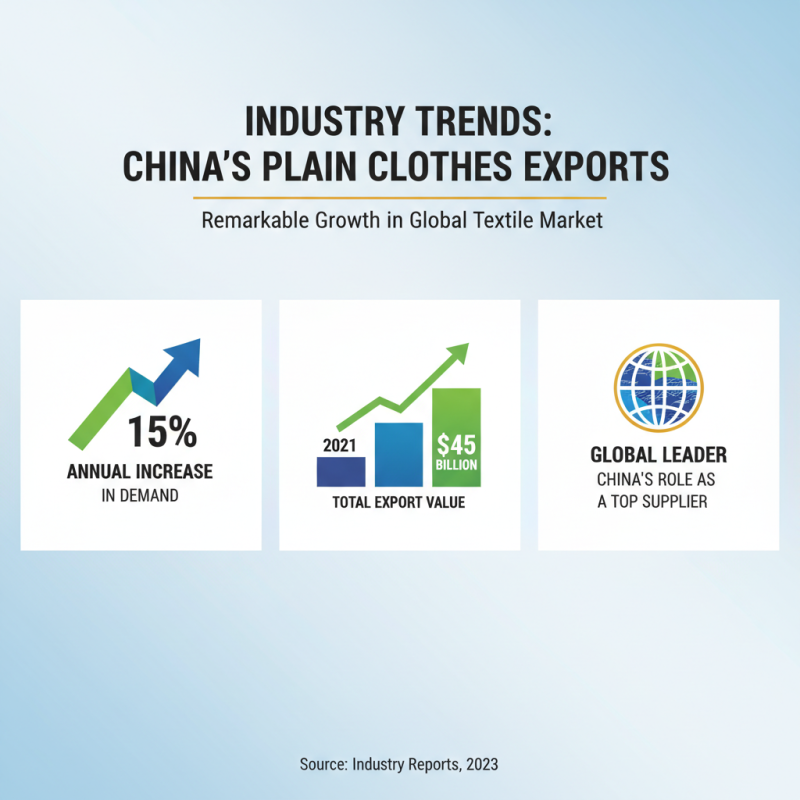
China's plain clothes export market is experiencing remarkable growth. Recent statistics show a steady increase in demand, with exports rising by approximately 15% annually. In 2022, the total export value reached $45 billion. Such figures highlight China's significant role as a leading supplier in the global textile industry.
A shift in consumer trends is influencing this growth. There is a strong preference for comfortable and versatile clothing options. Reports indicate that buyers are increasingly interested in sustainable materials. Nearly 30% of imported plain clothes now feature eco-friendly fabrics. Yet, some manufacturers struggle to meet these expectations, which can impact their competitiveness.
The competitive landscape is evolving. As international buyers seek reliability, establishing strong partnerships with suppliers becomes essential. However, sourcing from China poses challenges. Inconsistent quality and varying production standards are frequent concerns. Addressing these issues will be vital for sustaining growth in plain clothes exports.
Challenges Faced by Global Buyers When Sourcing from China
Sourcing plain clothes from China offers various challenges for global buyers.
Language barriers complicate clear communication. Misunderstandings can arise easily, leading to costly mistakes.
Cultural differences also impact business relationships. Knowing local customs is essential for a smooth transaction.
Quality control remains a significant concern. Buyers often struggle to ensure that products
meet their standards consistently. Inconsistent manufacturing practices can lead to unpredictable outcomes.
Inspections are crucial, yet they can be time-consuming and costly. Finding reliable third-party inspectors is not always straightforward.
Logistics poses another hurdle. Shipping delays may occur due to customs regulations and seasonal demands.
Many buyers underestimate shipping times, leading to inventory shortages. Furthermore, navigating tariffs and taxes
in various countries adds another layer of complexity. Adapting to these challenges requires patience and expertise.
Future Predictions for China's Plain Cloth Supply to Global Markets
As the world becomes more interconnected, China's plain cloth supply is poised for change. The demand for quality textiles continues to rise globally. In recent years, manufacturers adopted innovative technologies to enhance production efficiency. This shift improves fabric quality and reduces lead times. However, challenges remain, including fluctuating raw material costs and environmental concerns.
Future predictions suggest a greater emphasis on sustainable practices. Buyers increasingly prefer eco-friendly materials. This trend leads to more stringent regulations within the industry. Brands may struggle to adapt to these changes consistently. There's also competition from other textile-producing countries that may disrupt China's dominance.
Consumer preferences evolve, requiring suppliers to remain agile. Collaboration between manufacturers and designers is vital. This partnership can drive innovation and meet market needs. Though the future has uncertainties, China's expertise in plain cloth manufacturing provides a solid foundation. The ability to adapt and respond will determine success in the global market.
China Top Plain Clothes Suppliers for Global Buyers - Future Predictions for China's Plain Cloth Supply to Global Markets
| Supplier Type |
Production Capacity (units/month) |
Market Share (%) |
Export Regions |
Sustainability Practices |
| Large Scale Manufacturers |
1,000,000 |
35% |
North America, Europe, Asia |
Certified eco-friendly materials |
| Small to Medium Enterprises |
250,000 |
20% |
Europe, Australia |
Recycling initiatives |
| Niche Market Players |
100,000 |
10% |
Asia, South America |
Fair trade practices |
| Startups & Innovators |
50,000 |
5% |
Local markets |
Use of digital tools for sustainability |
| wholesalers & Distributors |
500,000 |
30% |
Global |
Bulk purchasing agreements for sustainability |

 +86 15968093247
 CONTACT NUMBER
 CONTACT e-mail