inquiry
Leave Your Message

2026 Best Velvet Fabric Types for Global Buyers

In 2026, global buyers need more than attractive photographs when selecting Velvet Fabric. They need clear information about fiber content, construction, performance, and responsible sourcing. A deep emerald pile may look luxurious on screen, yet feel thin under showroom lighting. Quality is tactile.

This guide examines major velvet fabric types, including polyester, cotton, rayon, silk, stretch, crushed, and embossed options. Each type serves a different purpose. Polyester velvet often supports large-volume upholstery and fashion orders. Cotton velvet offers a softer, natural hand feel. Silk velvet creates exceptional drape, but it usually requires stricter handling and a higher budget. Stretch velvet can improve comfort, although its recovery should be tested carefully.

Practical buying decisions depend on measurable details. Buyers should request fabric weight, pile height, width, colorfastness, abrasion results, shrinkage data, and sample cards. Supplier audits, consistent technical sheets, and traceable production records also matter. Relevant textile testing should follow recognized international methods where appropriate. Claims still need verification.

No ranking is universal. A fabric that suits hotel curtains may fail in dancewear or luxury packaging. Even experienced teams can overlook backing quality or shade variation between batches. That weakness deserves attention. This overview compares each Velvet Fabric type through appearance, durability, care, cost, and application. It also highlights trade-offs that may remain hidden until cutting, sewing, washing, or long-term use. Global buyers can then ask sharper questions and make decisions based on evidence, not surface appeal.

2026 Best Velvet Fabric Types for Global Buyers

Velvet Fabric: Definition, Structure, and Key Characteristics

Velvet Fabric: Definition, Structure, and Key Characteristics

Velvet is a woven fabric with a dense, upright pile on its surface. Its soft touch comes from thousands of short fibers, called pile yarns. During production, special loops are cut to create this raised texture. The base, or ground fabric, supports the pile and controls the material’s stability. Velvet may use polyester, cotton, viscose, silk, or blended fibers. Each option changes its shine, weight, breathability, and care requirements.

From my fabric evaluation experience, pile height is one of the clearest quality indicators. A short, even pile usually offers a cleaner appearance and better abrasion resistance. A longer pile feels richer but may show pressure marks after folding. Direction also matters. Velvet can look lighter or darker when brushed against the pile. Buyers should inspect it under direct and angled light. A small rub test can reveal shedding, color transfer, or uneven finishing.

Weight alone does not prove quality. A heavy fabric may still have weak backing or inconsistent dyeing. This is easy to overlook during remote sourcing. Ask for samples, technical specifications, and wash-test results before placing a large order. Check GSM, usable width, pile direction, shrinkage, and colorfastness. Velvet is beautiful, but not forgiving. Even skilled manufacturers can produce slight shade differences between batches. That limitation deserves careful planning.

2026 Best Velvet Fabric Types for Global Buyers - Velvet Fabric: Definition, Structure, and Key Characteristics

Velvet Fabric Type Typical Fiber Composition Pile and Structure Typical Weight Key Characteristics Common Applications Global Buyer Considerations
Plain Velvet Polyester, cotton, rayon, silk, or blended fibers Even, short cut pile formed by a dedicated pile yarn system; traditionally woven with a double-cloth construction and cut apart Approximately 180–450 g/m² Smooth surface, rich light reflection, soft hand feel, and clear nap direction Eveningwear, jackets, upholstery, cushions, curtains, and decorative accessories Check nap shading, pile density, color consistency, rub performance, and cutting direction
Stretch Velvet Polyester or nylon blended with elastane Knitted or woven base with cut pile and usually two-way or four-way stretch Approximately 180–350 g/m² Flexible, body-contouring, soft, and comfortable; recovery depends on elastane content and fabric construction Dresses, dancewear, stage costumes, fitted tops, loungewear, and fashion accessories Verify stretch direction, recovery, dimensional stability after washing, and seam slippage
Crushed Velvet Most commonly polyester; also available in rayon or blended fibers Cut pile intentionally flattened or directionally pressed to create an irregular, reflective surface Approximately 180–400 g/m² Distinctive mottled appearance, high visual depth, and strong directional color variation Fashion garments, decorative cushions, curtains, theatrical costumes, and event décor Approve a physical sample because appearance changes with lighting, brushing direction, and pressure
Panne Velvet Usually polyester or rayon; some qualities include elastane Very short pile pressed in one direction, often on a lightweight knitted base Approximately 100–220 g/m² Lightweight, fluid drape, glossy surface, and strong nap sensitivity Blouses, skirts, scarves, costumes, lingerie details, and lightweight apparel Evaluate snag resistance, edge curling, transparency, and color change when the nap is reversed
Embossed Velvet Primarily polyester or polyester blends Pattern created by applying heat and pressure to selectively compress the pile Approximately 220–500 g/m² Raised or flattened motifs, decorative texture, and enhanced light-and-shadow contrast Upholstery, curtains, cushions, handbags, footwear panels, and formal apparel Confirm pattern repeat, embossing durability, abrasion resistance, and performance after cleaning
Devore Velvet Often a blended construction, such as rayon pile with a cellulose-based ground A chemical burnout process removes selected ground areas to reveal a semi-transparent pattern Approximately 80–220 g/m² Contrasting opaque pile and transparent or translucent areas; delicate and drapable Eveningwear, scarves, overlays, decorative panels, and luxury fashion details Check pattern registration, edge stability, tear strength, washing instructions, and chemical-process compliance
Cotton Velvet Cotton or cotton-rich blends Woven cut pile with a cotton ground and cotton pile yarns Approximately 250–500 g/m² Matte-to-soft luster, breathable hand feel, good warmth, and a more natural fiber profile Trousers, jackets, children’s clothing, cushions, bags, and home décor Allow for possible shrinkage; test washing, colorfastness, pilling, and pile crushing before bulk production
Silk Velvet Silk pile with a silk, rayon, or blended ground Fine, dense cut pile with a lightweight woven base Approximately 100–250 g/m² Exceptional softness, elegant luster, fine drape, and high sensitivity to abrasion and moisture Luxury eveningwear, scarves, accessories, ceremonial garments, and premium interiors Require careful handling, shade approval, pile inspection, and professional-care labeling
Velvet Definition and Buying Checklist: Velvet is a fabric characterized by a short, dense cut pile that creates a soft hand and directional light reflection. Before placing a global order, buyers should confirm fiber content, fabric width, weight, pile height, stretch, colorfastness, abrasion performance, shrinkage, care method, applicable textile regulations, and packaging requirements. All weight ranges are indicative and should be verified against the supplier’s technical specification and approved production sample.

Major Velvet Fabric Types and Their Distinctive Features

2026 Best Velvet Fabric Types for Global Buyers

Major Velvet Fabric Types and Their Distinctive Features

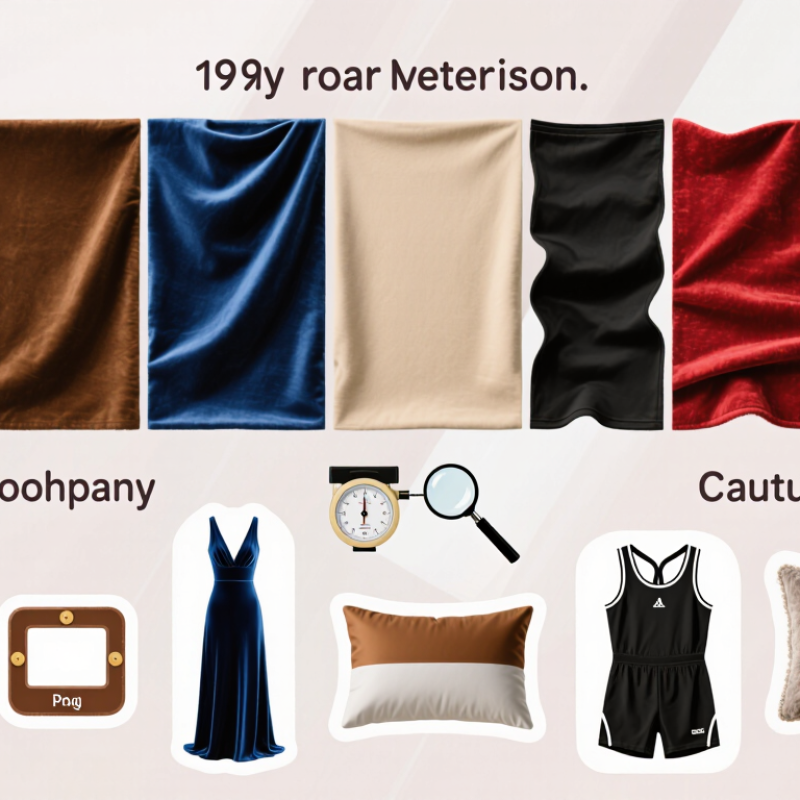
Velvet differs greatly in fiber, pile height, density, and surface finish. Cotton velvet feels breathable and substantial, making it suitable for upholstery and structured apparel. Polyester velvet offers stronger color consistency, easier care, and competitive pricing for large orders. Silk velvet provides exceptional softness and luminous depth, but it needs gentler handling and stricter quality control. Blended velvet can balance comfort, durability, and cost. The final result depends on the fiber ratio.

Stretch velvet contains elastane and follows the body smoothly. It works well for performance costumes, fitted garments, and flexible seating covers.

Crushed velvet has irregular reflections created by pressing or twisting the pile. Panne velvet is flatter, lighter, and often more fluid.

Cut velvet combines raised and sheared areas, producing patterns with visible texture. Burnout velvet uses chemical or controlled processes to remove selected fibers. Its transparency requires careful lining decisions.

From my fabric inspections, pile direction remains an overlooked issue. A roll may look uniform until light moves across it. Buyers should request samples, then check shade, shedding, backing stability, and recovery after stretching. Rub tests and colorfastness tests can reveal weaknesses early. Fire performance also matters for furniture and public interiors, depending on destination-market rules. No type is perfect. Even an attractive sample may fail after packing, moisture exposure, or repeated brushing. Confirm test methods, tolerances, and inspection records before approving bulk production.

How to Choose Velvet for Apparel, Home Décor, and Upholstery

2026 Best Velvet Fabric Types for Global Buyers

How to Choose Velvet for Apparel, Home Décor, and Upholstery

Velvet selection should begin with the product’s daily use. For apparel, silk velvet offers a soft hand and elegant drape, but it can crease and demand careful cleaning. Viscose velvet feels fluid and bright under light. Polyester velvet usually provides better color stability and easier maintenance. Stretch velvet suits fitted garments, although excessive stretch may distort the pile. Always inspect a fabric swatch in daylight and indoor lighting.

For home décor, consider curtains, cushions, and decorative panels separately. Cotton velvet gives cushions a warm, natural appearance. Polyester blends often resist crushing better in busy rooms. Check the pile direction before cutting. It can make two panels look like different colors. A practical test is simple: rub the sample repeatedly, then inspect shine, shedding, and flattened areas. Some fabrics perform well in a showroom but disappoint beside a sunny window.

Upholstery requires stronger evidence than appearance alone. Ask for abrasion results, colorfastness data, seam slippage information, and backing details. Performance velvet may be suitable for dining chairs, benches, and sofas, but specifications vary between suppliers. Do not trust the word “durable” by itself. Confirm the intended use and relevant local testing requirements. I have found that heavier velvet is not always better; dense fabric can feel stiff and show pressure marks. A small sample, tested on the actual furniture shape, often reveals more than a polished catalog photograph.

Quality Standards and Sourcing Factors for Global Buyers

For global buyers, velvet selection starts with measurable quality, not surface shine. A reliable fabric should show even pile height, dense coverage, and a stable backing. Compare GSM, fiber composition, width, and usable width on the specification sheet. Polyester velvet often offers durability and price control. Cotton or viscose blends may provide a softer hand, but they can crease or vary more. Ask for a current sample, not an old showroom swatch. Small differences matter.

Quality checks should match the final use. Test colorfastness to rubbing, washing, and light when garments or upholstery face frequent contact. Measure abrasion resistance, seam slippage, shrinkage, and pile recovery. A simple hand test helps, but it cannot replace laboratory results. Request batch records, inspection photos, and clear tolerance ranges. Verify fiber labels and safety documents for the destination market. Suppliers should explain dye lots, packing methods, lead times, minimum order quantities, and claims handling. Vague answers are a warning. No test is perfect.

Tips: Keep one approved reference swatch for every order. Check samples under daylight and indoor lighting. Confirm the pile direction before cutting. A lower price may hide weaker backing, unstable color, or inconsistent lots. Build a small pre-shipment inspection into your purchasing plan. Even experienced buyers can overlook shade variation across production batches, so allow time for correction.

Care, Testing, and Sustainability Considerations for Velvet Fabric

Velvet fabric can look luxurious, but its raised pile requires careful evaluation. Buyers should inspect pile density, backing stability, and color consistency under natural light. Cotton, polyester, rayon, and blended velvet each behave differently during cleaning and daily use. A dense pile may resist crushing, yet it can show pressure marks after folding. That detail is easy to miss.

Care instructions should match the fiber and finishing process. Test a small hidden area before washing or steaming. Excessive heat can flatten synthetic velvet or distort the backing. Gentle vacuuming with a soft attachment removes dust without pulling the pile. For upholstery, professional cleaning may be safer than repeated home treatment. Still, “professional” does not guarantee perfect results. Suppliers should provide cleaning trials, shrinkage data, and clear handling instructions.

Testing should include abrasion resistance, pilling, colorfastness, seam slippage, and dimensional stability. Request samples from different production lots, not only one attractive piece. Sustainability also needs practical evidence. Recycled fibers may reduce reliance on new raw materials, but energy use, finishing chemicals, transport, and product lifespan still matter. Ask for fiber composition records and relevant environmental documentation. A velvet that lasts longer can be a better choice than a cheaper fabric needing early replacement. However, durability claims should be verified through test reports rather than appearance alone. Suppliers and buyers should review these results together, especially when selecting velvet for high-contact furniture, curtains, or fashion items.

2026 Best Velvet Fabric Types for Global Buyers

Care, testing, and sustainability considerations for velvet fabric.

The chart compares representative commercial specifications for commonly purchased velvet types. Weight values are typical midpoint estimates in grams per square metre, while pile height values are representative millimetres. Actual specifications vary by construction, finishing, and intended use.

Care

Polyester and nylon velvet generally offer easier care. Silk and rayon velvet usually require gentler handling and should be tested for water spotting, shrinkage, and pile distortion.

Testing

Global buyers commonly review fibre composition, fabric weight, colourfastness, dimensional stability, pilling, abrasion resistance, seam slippage, and restricted substances.

Sustainability

Assess recycled content, fibre traceability, chemical management, durability, repair potential, and end-of-life options rather than relying on fibre type alone.